Understanding consumption events helps businesses and consumers make smarter decisions about spending habits, product development, and marketing strategies that resonate with real-world behavior.

🎯 What Are Consumption Events and Why Do They Matter?
Consumption events represent the moments when individuals use, purchase, or engage with products and services. These pivotal interactions shape our relationship with brands and influence everything from product design to marketing campaigns. By analyzing these events, companies can unlock powerful insights into customer behavior patterns that drive business growth.
The distinction between different types of consumption events isn’t just academic—it has profound implications for how businesses position their offerings and how consumers understand their own spending patterns. When we differentiate between occasional splurges and everyday usage, we’re essentially mapping the psychological and practical landscape of modern consumption.
Every purchase decision exists on a spectrum. At one end, we find routine purchases like morning coffee or weekly groceries. At the other, we discover special occasion spending like anniversary dinners or luxury vacation experiences. The magic happens when businesses recognize where their products fall on this spectrum and align their strategies accordingly.
🔍 The Psychology Behind Occasional Splurges
Occasional splurges represent those purchases we make outside our normal spending patterns. These consumption events are typically characterized by higher price points, emotional significance, and careful deliberation before purchase. Understanding the psychology behind these moments reveals fascinating insights about human decision-making.
When consumers engage in splurge purchases, they’re often seeking more than just the product itself. They’re buying an experience, creating a memory, or marking a significant life event. This emotional component transforms the transaction from a simple exchange of money for goods into something far more meaningful.
Research shows that splurge purchases activate different parts of the brain compared to routine purchases. The anticipation, the deliberation, and even the potential guilt associated with these purchases create a unique psychological profile that smart marketers can leverage.
Characteristics of Splurge Consumption Events
- Higher price point relative to normal spending habits
- Extended consideration period before purchase
- Strong emotional or aspirational component
- Often tied to special occasions or milestones
- Increased sensitivity to quality and brand reputation
- Greater likelihood of post-purchase rationalization
- Enhanced memory formation around the purchase experience
☕ Understanding Everyday Usage Patterns
In contrast to splurges, everyday usage represents the habitual, routine consumption events that form the backbone of our daily lives. These purchases happen with minimal conscious thought, often driven by established patterns and practical necessity rather than emotional desire.
The power of everyday consumption lies in its predictability and frequency. While individual transactions may be smaller, their cumulative impact on both consumer budgets and business revenue can be substantial. A $5 daily coffee purchase translates to over $1,800 annually—a figure that rivals many splurge purchases.
Businesses that successfully tap into everyday usage patterns often build remarkable loyalty and market share. These companies understand that convenience, consistency, and accessibility trump novelty and excitement in the daily consumption category.
Key Features of Everyday Consumption
Everyday consumption events operate under different rules than occasional splurges. They’re characterized by speed, convenience, and habit formation. Consumers prioritize ease of access and reliability over extensive research and emotional deliberation.
Brand switching in everyday categories typically occurs only when something disrupts the established pattern—a price increase, quality issue, or convenient new alternative. This resistance to change makes customer acquisition challenging but retention potentially very rewarding.
📊 The Economic Impact of Consumption Event Types
The economic implications of distinguishing between splurge and everyday consumption extend far beyond individual purchasing decisions. These patterns shape entire industries, influence pricing strategies, and determine which businesses thrive or struggle in competitive markets.
| Factor | Occasional Splurges | Everyday Usage |
|---|---|---|
| Purchase Frequency | Low (seasonal or annual) | High (daily or weekly) |
| Price Sensitivity | Moderate to Low | High |
| Decision Time | Extended research period | Seconds to minutes |
| Emotional Investment | High | Low |
| Brand Loyalty Driver | Prestige and quality | Convenience and consistency |
| Marketing Focus | Aspiration and experience | Accessibility and value |
🎨 Marketing Strategies for Different Consumption Events
Successful marketing requires matching strategy to consumption type. The messaging, channels, and tactics that work brilliantly for splurge purchases often fail miserably for everyday items, and vice versa. Understanding these differences separates effective campaigns from wasted budgets.
For occasional splurges, marketing should emphasize storytelling, aspiration, and emotional connection. Consumers need justification for their splurge purchases, and effective marketing provides that justification by highlighting uniqueness, quality, and the special nature of the experience.
Everyday usage marketing, conversely, should focus on accessibility, consistency, and integration into daily routines. The goal isn’t to excite customers but to become an invisible, reliable part of their day. Think less fireworks, more foundation.
Crafting Messages That Resonate
The language and imagery used in marketing should reflect the consumption event type. Splurge-oriented campaigns benefit from evocative language, lifestyle imagery, and emphasis on transformation or elevation. Words like “exclusive,” “premium,” and “experience” signal special occasion appropriateness.
For everyday consumption, messaging should emphasize simplicity, reliability, and value. Phrases like “always there,” “consistently great,” and “makes life easier” resonate with consumers seeking friction-free daily solutions rather than special experiences.
💡 Product Development Insights from Consumption Patterns
Product development teams that understand consumption event differences create offerings better aligned with customer needs and expectations. This alignment increases satisfaction, reduces returns, and improves overall market fit.
Products designed for occasional splurges should emphasize quality, uniqueness, and memorable features. These items can afford to be more complex, requiring setup or learning, because consumers expect to invest time in special purchases. Premium materials, distinctive design, and comprehensive features justify higher price points.
Everyday products demand different priorities: simplicity, durability, and ease of use trump novelty. These items should work reliably without thought or maintenance, integrating seamlessly into established routines. User experience should prioritize speed and predictability over feature richness.
🔄 When Consumption Events Shift Categories
One of the most interesting phenomena in consumer behavior occurs when products migrate between consumption categories. What begins as an occasional splurge can evolve into everyday usage, and vice versa. Understanding these transitions reveals opportunities for business growth and consumer behavior change.
Coffee shops provide a classic example of splurge-to-everyday migration. What started as an occasional treat for many consumers gradually became a daily ritual. This shift required businesses to adjust everything from pricing to location strategy to maintain profitability at higher transaction frequencies.
The reverse transition—everyday to splurge—often occurs when premium versions of common products emerge. Regular chocolate becomes artisan single-origin bars. Basic transportation evolves into luxury travel experiences. These premiumization opportunities allow businesses to capture higher margins by repositioning familiar products.
Technology’s Role in Category Evolution
Digital platforms and mobile apps have dramatically accelerated consumption event category shifts. By reducing friction and increasing convenience, technology transforms occasional purchases into habitual behaviors. Food delivery apps turned special occasion restaurant meals into regular weeknight dinners for millions of consumers.
Subscription models represent another technology-enabled shift, converting irregular purchases into predictable, routine consumption. From software to groceries, subscriptions normalize what were once discrete purchasing decisions into background infrastructure of modern life.
📈 Measuring and Analyzing Consumption Events
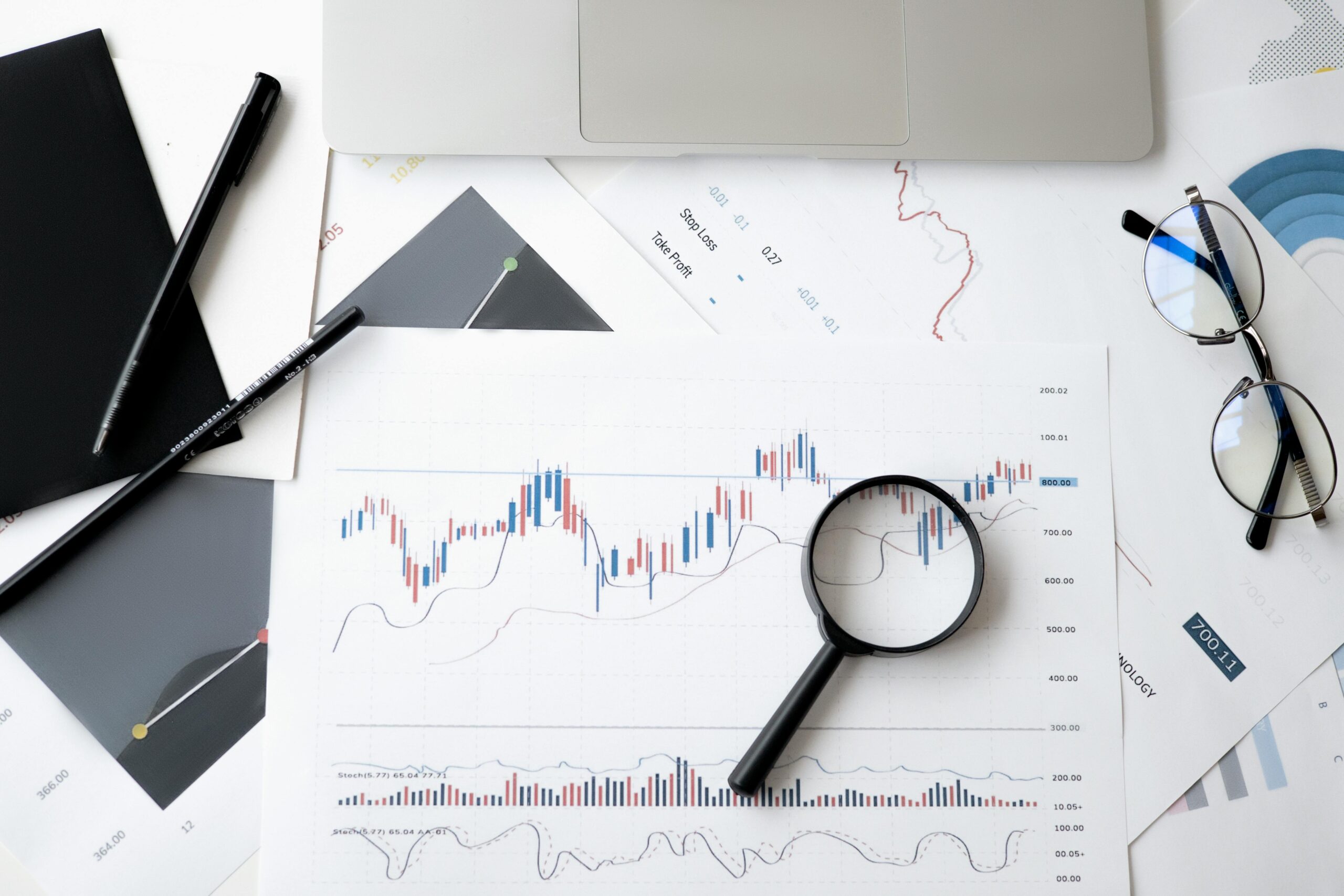
Data analytics has revolutionized how businesses understand consumption events. Modern tracking capabilities allow unprecedented insight into purchase patterns, frequency, timing, and contextual factors that influence buying decisions.
Key metrics for analyzing consumption events differ based on category. For splurges, businesses should track conversion rates from consideration to purchase, average order value, seasonal patterns, and customer acquisition costs. These metrics reveal how effectively marketing moves consumers through the extended decision-making process.
Everyday consumption requires different measurement priorities: purchase frequency, retention rates, customer lifetime value, and share of wallet within the category. These metrics illuminate whether products successfully embed themselves in daily routines and defend against competitive alternatives.
🌟 Creating Value Across the Consumption Spectrum
The most successful businesses don’t limit themselves to one consumption category. Instead, they strategically offer products and services across the spectrum, capturing both the frequency of everyday usage and the higher margins of occasional splurges.
Coffee retailers exemplify this approach. They profit from daily drip coffee purchases while also offering premium seasonal beverages and branded merchandise that customers buy less frequently but at higher price points. This portfolio approach smooths revenue and captures diverse customer needs.
Financial services similarly span the spectrum. Everyday checking accounts and regular transactions build customer relationships, while mortgages, investment products, and insurance represent higher-value occasional engagements. The everyday touchpoints create trust that facilitates splurge-category conversions.
🎯 Personalizing Experiences Based on Consumption Context
Advanced personalization recognizes that the same customer exhibits different behaviors across consumption contexts. A consumer might be price-sensitive for daily groceries but willing to splurge on dining experiences. Effective personalization adapts to these contextual differences rather than treating all purchases identically.
Machine learning algorithms increasingly enable this context-aware personalization. By analyzing purchase history, timing, and behavioral signals, systems can predict whether a consumer is in “everyday mode” or “splurge mode” and adjust recommendations, pricing, and messaging accordingly.
This contextual intelligence helps businesses avoid mismatched communications—like promoting premium luxury items to someone clearly in routine-purchase mode, or emphasizing value and discounts when a customer is seeking a special splurge experience.
🚀 Future Trends in Consumption Event Understanding
The distinction between occasional splurges and everyday usage continues evolving as technology, economic conditions, and cultural values shift. Several emerging trends promise to reshape how we understand and engage with different consumption events.
Sustainability consciousness increasingly influences both everyday and splurge purchases, but in different ways. Daily purchases emphasize efficiency and reduced waste, while splurge purchases focus on longevity, ethical production, and environmental responsibility as justification for higher prices.
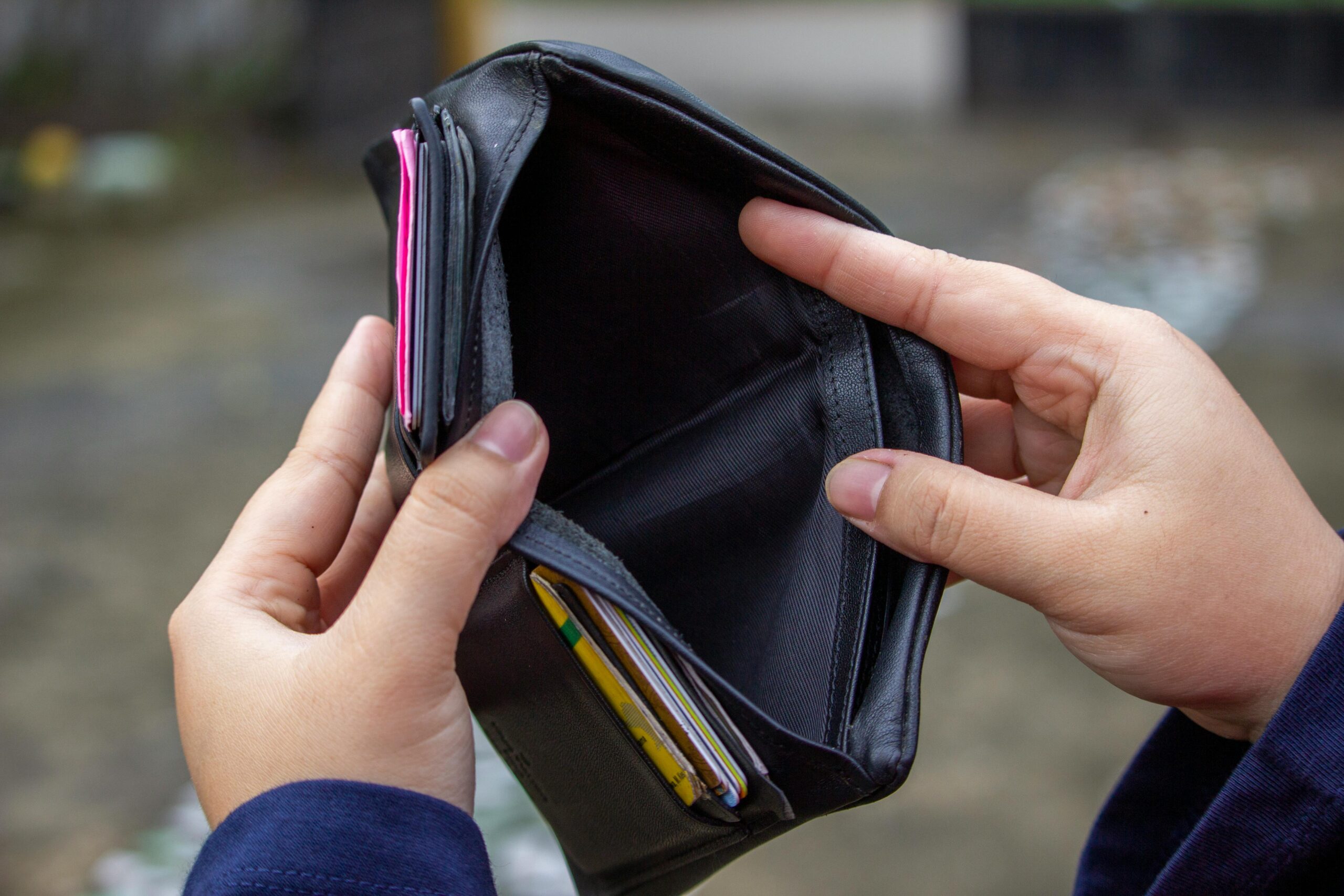
Economic uncertainty tends to sharpen the distinction between consumption categories. Consumers become more cautious with splurges while maintaining or seeking value in everyday categories. Businesses that understand this dynamic can adjust offerings to match evolving consumer priorities during different economic cycles.
The continued blurring of digital and physical consumption creates new hybrid categories. Virtual goods and digital experiences once categorized as splurges increasingly become everyday elements of digital life. Meanwhile, physical products gain digital components that enhance everyday utility or splurge appeal.
💼 Strategic Implications for Business Leaders
Business strategy must explicitly account for where products fall on the consumption event spectrum. This understanding should inform pricing, distribution, marketing, product development, and customer service approaches. Misalignment between consumption context and business strategy leads to confused positioning and underperformance.
Companies should regularly audit their product portfolio to ensure offerings appropriately serve both everyday and splurge consumption needs. Gaps in the portfolio represent both risks and opportunities—risks if competitors fill them first, opportunities if addressed strategically.
Cross-functional alignment around consumption event understanding prevents organizational silos from working at cross-purposes. When marketing, product, and operations teams share a common framework for understanding consumption patterns, coordinated execution becomes possible and customer experiences improve.
The power of distinguishing between occasional splurges and everyday usage lies not in rigid categorization but in nuanced understanding of consumer behavior across contexts. By recognizing how, when, and why people engage with different types of purchases, businesses create more relevant offerings and consumers make more intentional decisions. This mutual understanding drives more satisfying consumption experiences and more sustainable business models that respect both the excitement of occasional indulgence and the comfort of reliable everyday solutions.