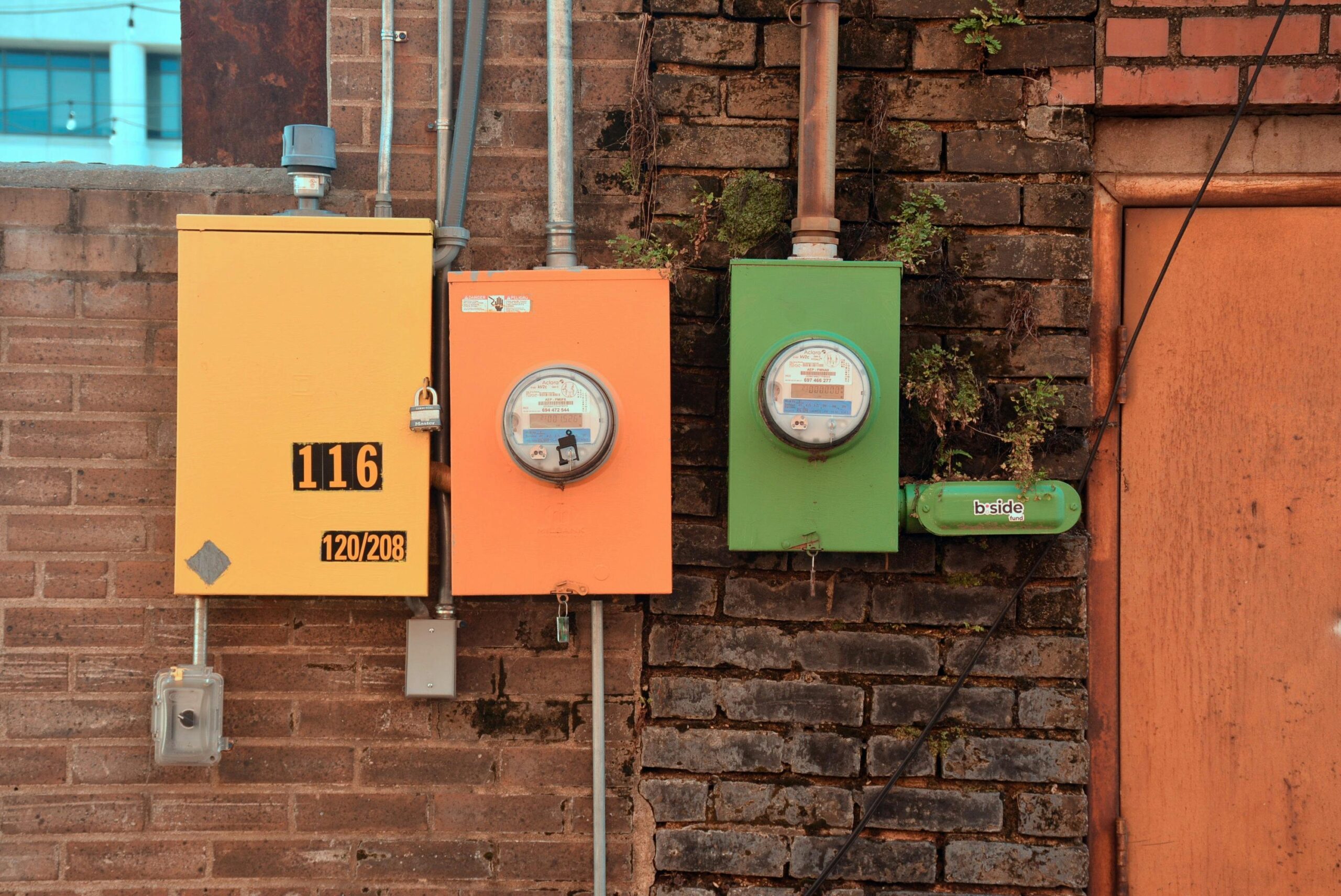
In today’s digital ecosystem, maintaining peak performance during unexpected traffic surges requires sophisticated load balancing strategies that distribute workloads intelligently across multiple servers.

Organizations worldwide face an increasingly complex challenge: delivering seamless user experiences while managing unpredictable demand patterns. Load balancing has evolved from a simple traffic distribution mechanism to a comprehensive resilience framework that transforms how systems respond to stress, scale operations, and maintain availability even during catastrophic failures.
This transformation isn’t merely theoretical. Real-world implementations demonstrate how strategic load balancing approaches convert vulnerable infrastructure into robust, self-healing systems capable of weathering the most demanding conditions. From e-commerce platforms handling Black Friday rushes to streaming services managing millions of concurrent viewers, load balancing strategies have become the backbone of digital resilience.
🔄 The Evolution of Load Balancing Architecture
Traditional load balancing methods relied on simple round-robin algorithms that distributed requests sequentially across available servers. While functional for basic scenarios, these approaches failed spectacularly when faced with heterogeneous workloads or servers with varying capacities. Modern load balancing has transcended these limitations through intelligent algorithms that consider server health, response times, geographic proximity, and resource utilization patterns.
Contemporary load balancers operate at multiple network layers simultaneously, making split-second decisions based on application-level intelligence. Layer 7 load balancers inspect HTTP headers, cookies, and request content to route traffic optimally, while Layer 4 solutions focus on transport-level efficiency. This multi-layered approach creates resilience through redundancy and intelligent decision-making.
The shift toward microservices architecture has further elevated load balancing importance. Each microservice requires its own load distribution strategy, creating complex interconnected systems where failures must be contained and traffic rerouted instantaneously. Service meshes like Istio and Linkerd have emerged specifically to address these challenges, providing sophisticated load balancing capabilities designed for distributed architectures.
📊 Case Study: E-Commerce Platform Scaling During Peak Events
A major international retailer faced recurring challenges during promotional events when traffic increased 40-fold within minutes. Their legacy infrastructure struggled with request queuing, database bottlenecks, and cascading failures that resulted in revenue losses exceeding $2 million per incident.
The implementation of a comprehensive load balancing strategy transformed their capability profile. Geographic load balancing distributed international traffic across regional data centers, reducing latency by 65% for European customers. Application-aware routing directed resource-intensive search queries to dedicated high-memory servers, while simple product browsing requests utilized standard instances.
Database read operations, which constituted 80% of traffic, were distributed across read replicas using weighted round-robin algorithms that accounted for replication lag. Write operations were queued and processed through a primary database with automatic failover capabilities. This separation of concerns prevented read-heavy loads from impacting transactional integrity.
The results were transformative. The platform successfully handled peak loads of 150,000 concurrent users with average response times under 200 milliseconds. Revenue during promotional events increased by 34% due to improved user experience and elimination of timeout errors. System availability improved from 97.2% to 99.97% annually.
⚡ Dynamic Load Balancing: Adapting to Real-Time Conditions
Static load balancing configurations, however sophisticated, cannot anticipate every operational scenario. Dynamic load balancing introduces adaptive intelligence that responds to changing conditions without human intervention. These systems continuously monitor performance metrics, resource utilization, and failure patterns to adjust routing decisions in real-time.
Health checks form the foundation of dynamic load balancing. Rather than simple ping tests, modern health monitoring evaluates application-specific metrics including database connection pool availability, cache hit rates, and downstream service responsiveness. Servers failing health checks are automatically removed from rotation, preventing degraded instances from impacting user experience.
Weighted load balancing algorithms adjust traffic distribution based on server capacity and current load. A server operating at 90% CPU utilization receives proportionally fewer requests than one at 40% utilization. This prevents the “thundering herd” problem where newly added servers become immediately overwhelmed with backlogged requests.
Predictive Scaling Through Machine Learning
Advanced implementations incorporate machine learning models that predict traffic patterns based on historical data, seasonal trends, and external events. These systems proactively scale infrastructure before demand spikes occur, eliminating the reactive lag that causes performance degradation during rapid traffic increases.
One streaming media provider implemented predictive scaling that analyzes content release schedules, social media sentiment, and historical viewing patterns. When new episodes of popular series launch, the system automatically provisions additional capacity 30 minutes before release, ensuring seamless playback for millions of simultaneous viewers. This approach reduced buffering incidents by 89% compared to reactive scaling strategies.
🌐 Geographic Distribution and Edge Computing Integration
Global user bases demand geographically distributed infrastructure to minimize latency and comply with data sovereignty regulations. Geographic load balancing directs users to the nearest available data center or edge location, dramatically improving response times while providing disaster recovery capabilities.
Content delivery networks (CDNs) represent specialized geographic load balancing systems optimized for static content distribution. Modern CDN implementations extend beyond caching to include edge computing capabilities, executing application logic at hundreds of distributed locations. This architectural pattern moves computation closer to users, reducing backend load while improving performance.
A global financial services firm implemented anycast routing combined with application-aware geographic load balancing. User requests automatically reached the nearest point of presence, where edge servers handled authentication and data retrieval from regional databases. Cross-region database replication ensured data availability while maintaining consistency through eventual consistency patterns for non-critical data and strong consistency for financial transactions.
🛡️ Resilience Through Chaos Engineering and Failure Simulation
True resilience emerges not from avoiding failures but from gracefully handling them when they inevitably occur. Chaos engineering practices deliberately introduce failures into production systems to validate load balancing configurations and failover mechanisms. These controlled experiments expose weaknesses before they impact customers during actual incidents.
Netflix pioneered this approach with their Chaos Monkey tool, which randomly terminates production instances to ensure systems remain functional despite individual component failures. Load balancing strategies must detect these failures within seconds and reroute traffic without user-visible disruption.
Organizations implementing chaos engineering discover hidden dependencies, timeout configurations that cascade failures, and load balancing rules that inadvertently concentrate traffic on failing systems. A telecommunications provider discovered through failure simulation that their load balancer continued sending requests to unhealthy backends for up to 30 seconds due to aggressive health check intervals. Reducing this interval to 2 seconds eliminated service disruptions during instance failures.
⚙️ Container Orchestration and Service Mesh Load Balancing
Containerized applications introduce unique load balancing challenges and opportunities. Container orchestration platforms like Kubernetes provide built-in load balancing through Service resources, but these basic implementations often require enhancement for production workloads.
Service meshes add sophisticated load balancing capabilities designed specifically for microservices architectures. These systems provide:
- Advanced traffic splitting for canary deployments and A/B testing
- Automatic retry logic with exponential backoff for transient failures
- Circuit breaking to prevent cascading failures across service boundaries
- Locality-aware load balancing that prioritizes same-zone communication
- Protocol-specific optimizations for HTTP/2, gRPC, and other modern protocols
A fintech startup reduced inter-service latency by 43% after implementing locality-aware load balancing within their Kubernetes cluster. The service mesh prioritized routing requests to pods within the same availability zone, reducing network transit time while maintaining cross-zone failover capabilities for high availability.
📈 Performance Monitoring and Optimization Feedback Loops
Effective load balancing requires continuous monitoring and optimization based on observed performance characteristics. Telemetry data including response times, error rates, resource utilization, and traffic patterns inform iterative improvements to load balancing configurations.
Modern observability platforms correlate load balancing decisions with user experience metrics, revealing how routing changes impact actual customer interactions. Distributed tracing shows exactly how requests traverse through load balancers and backend services, identifying bottlenecks and suboptimal routing decisions.
An online gaming platform implemented comprehensive monitoring that tracked player experience metrics including login success rates, matchmaking times, and in-game latency. Analysis revealed that their geographic load balancing sometimes routed players to distant data centers during peak usage periods. Refining their algorithms to weight player proximity more heavily reduced average latency by 28% and increased player engagement by 12%.
Automated Optimization Through Reinforcement Learning
Cutting-edge implementations apply reinforcement learning algorithms that continuously optimize load balancing strategies based on observed outcomes. These systems treat load balancing as a multi-armed bandit problem, exploring different routing strategies while exploiting known successful patterns.
A major cloud provider developed an ML-based load balancer that reduced tail latency by 35% through automated optimization. The system learned that certain request patterns performed better on specific server configurations and adjusted routing accordingly. Over time, the algorithm discovered non-obvious correlations between request characteristics and optimal server selection that human engineers would never have identified.
💡 Security-Enhanced Load Balancing Strategies
Load balancers occupy a strategic position in network architecture, making them ideal platforms for implementing security controls. Web application firewalls (WAF) integrated with load balancers inspect traffic for malicious patterns before requests reach backend servers. DDoS mitigation capabilities distribute attack traffic across infrastructure while filtering malicious requests.
Rate limiting implemented at the load balancer level prevents individual users or IP addresses from overwhelming systems. Sophisticated implementations apply different rate limits based on authentication status, subscription tiers, and historical behavior patterns. This granular control protects infrastructure while ensuring legitimate users maintain access during attack scenarios.
A SaaS provider implemented intelligent rate limiting at their load balancer that dynamically adjusted thresholds based on system capacity. During normal operations, generous limits ensured smooth user experiences. When backend systems approached capacity limits, the load balancer automatically tightened rate limits, prioritizing authenticated users while restricting anonymous traffic. This strategy maintained service availability during multiple DDoS attacks that would have otherwise caused complete outages.
🚀 The Future of Intelligent Load Distribution
Load balancing continues evolving toward increasingly intelligent, autonomous systems. Emerging technologies including 5G networks, edge computing proliferation, and serverless architectures create new challenges and opportunities for traffic distribution strategies.
Intent-based networking promises load balancers that automatically configure themselves based on high-level business objectives rather than low-level technical specifications. Organizations might specify “optimize for user experience” or “minimize infrastructure costs” and have systems automatically implement appropriate load balancing strategies.
Quantum networking, though still experimental, may eventually enable fundamentally different approaches to load balancing where requests exist in superposition across multiple paths simultaneously. While practical implementations remain distant, research continues exploring how quantum principles might transform network traffic distribution.
🎯 Implementing Effective Load Balancing: Practical Considerations
Organizations planning load balancing implementations should consider several critical factors. Understanding traffic patterns through comprehensive monitoring precedes effective strategy design. Synthetic traffic generators can simulate various load conditions, revealing system behavior under stress before production deployment.
Start with simple algorithms and progressively enhance sophistication based on observed needs. Over-engineering load balancing solutions introduces complexity that hampers troubleshooting and maintenance. Round-robin algorithms often suffice for homogeneous workloads, while weighted approaches benefit heterogeneous environments.
Test failover mechanisms regularly through scheduled exercises and chaos engineering practices. Load balancing configurations that work perfectly during normal operations sometimes fail catastrophically during actual incidents due to untested edge cases or hidden dependencies.
Documentation and team training ensure operational staff understand load balancing behavior during incidents. Systems that automatically reroute traffic might mask underlying problems, creating situations where teams don’t recognize developing issues until they cascade into major outages.

🌟 Transforming Resilience Through Strategic Implementation
The journey from basic load distribution to sophisticated resilience infrastructure requires strategic thinking, continuous optimization, and willingness to learn from both successes and failures. Organizations that treat load balancing as a foundational architectural principle rather than a tactical tool gain significant competitive advantages through superior reliability and performance.
Case studies across industries demonstrate that well-designed load balancing strategies deliver measurable business value beyond technical metrics. Improved user experiences translate directly to increased revenue, customer retention, and brand reputation. Reduced incident frequency and faster recovery times lower operational costs while freeing engineering resources for innovation rather than firefighting.
The most successful implementations share common characteristics: they prioritize simplicity where possible, embrace automation for operational efficiency, incorporate continuous learning through monitoring and analysis, and treat failure as inevitable rather than exceptional. These principles transform load balancing from a technical necessity into a strategic capability that drives business success.
As digital services become increasingly central to every industry, the organizations that master resilient architecture through intelligent load balancing will define the next generation of customer experience excellence. The strategies, tools, and practices discussed throughout these case studies provide a roadmap for organizations at any stage of their resilience journey, demonstrating that peak performance under pressure isn’t accidental—it’s engineered through thoughtful load balancing implementation.