
Modern energy grids face unprecedented pressure to balance supply and demand while reducing costs and environmental impact. Demand response emerges as a powerful strategic tool that transforms how utilities and consumers interact with electricity networks.

🔌 Understanding Demand Response in Today’s Energy Landscape
Demand response represents a paradigm shift in energy management, moving away from the traditional model of simply increasing supply to meet demand. Instead, it empowers grid operators to strategically manage consumption patterns during peak periods, creating a more flexible and resilient energy infrastructure.
At its core, demand response involves incentivizing electricity consumers to temporarily reduce or shift their power usage during critical periods. This approach addresses grid stress without requiring expensive infrastructure upgrades or activating costly peaking power plants. The result is a win-win scenario where utilities maintain grid stability while consumers benefit from reduced energy costs.
The concept has evolved significantly over the past two decades. What began as simple load-shedding programs has transformed into sophisticated, technology-driven systems that leverage real-time data, automation, and market mechanisms to optimize energy consumption across entire regions.
The Economics Behind Demand Response Programs
Understanding the financial implications of demand response requires examining both the utility perspective and the consumer benefit structure. Traditional grid management relies on maintaining sufficient generation capacity to meet peak demand, which might only occur for a few hundred hours annually. This approach necessitates substantial capital investment in infrastructure that remains underutilized most of the time.
Demand response fundamentally changes this equation. By reducing peak demand by just 5-10%, utilities can defer or completely avoid building new power plants, saving billions in capital expenditure. These savings create room for incentive programs that reward participants for their flexibility.
For commercial and industrial consumers, participation can translate into significant cost reductions. Large facilities that successfully manage their load during peak periods can reduce demand charges—which sometimes account for 30-70% of their electricity bills. Even residential participants can see meaningful savings through bill credits, direct payments, or reduced time-of-use rates.
Calculating Your Potential Savings
The financial benefits vary considerably based on several factors including location, program structure, and participation level. Commercial participants in mature demand response markets can realize annual savings ranging from $10,000 to over $1 million, depending on their facility size and load flexibility.
Residential participants typically see more modest but still meaningful returns. Average households enrolled in demand response programs report annual savings between $50 and $300, with some aggressive participants in high-value markets achieving even greater results.
⚡ Types of Demand Response Mechanisms
Demand response programs come in various forms, each designed to address specific grid challenges and market conditions. Understanding these different mechanisms helps organizations select the most appropriate programs for their operational characteristics.
Incentive-Based Programs
Direct load control programs allow utilities to remotely adjust certain devices during peak periods. Participants receive upfront incentives or ongoing credits for granting this access. Common applications include cycling air conditioning units, water heaters, or pool pumps during critical hours.
Emergency demand response programs activate only during grid emergencies, typically offering substantial payments to participants who can quickly reduce load when called upon. These programs serve as the grid’s safety net, preventing brownouts and blackouts during extreme conditions.
Capacity market programs compensate participants for committing to reduce load when needed, similar to how utilities pay power plants to remain available. Participants receive payments for being on standby, with additional compensation when actually called to curtail.
Price-Based Programs
Time-of-use rates charge different prices for electricity depending on the time of day, encouraging voluntary load shifting from peak to off-peak hours. This straightforward approach allows consumers to reduce costs through behavioral changes without complex enrollment requirements.
Critical peak pricing implements dramatically higher rates during a limited number of annual peak events, typically announced day-ahead. This creates powerful price signals that motivate significant voluntary reductions during the most critical grid stress periods.
Real-time pricing ties electricity costs directly to wholesale market prices, providing maximum price transparency and the strongest incentive for sophisticated consumers to optimize their consumption patterns continuously.
Technology Enabling Modern Demand Response
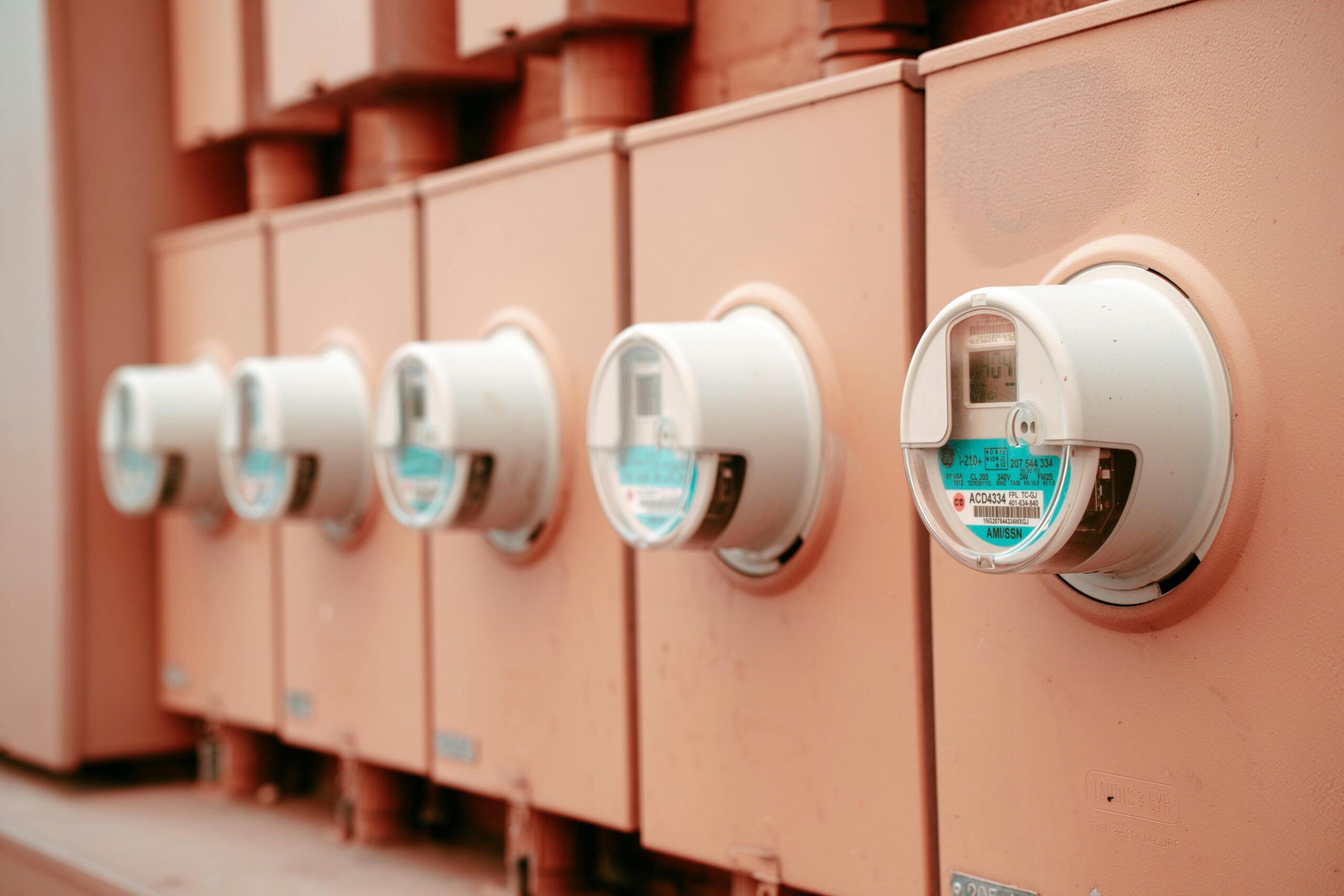
The explosion of smart grid technologies has revolutionized demand response capabilities, making participation easier and results more reliable. Advanced metering infrastructure provides the granular data necessary for precise measurement and verification of load reductions.
Building energy management systems now integrate seamlessly with utility demand response platforms, enabling automated responses to grid signals without disrupting building operations. These systems intelligently pre-cool buildings before events, adjust lighting levels, or shift production schedules while maintaining comfort and productivity.
Artificial intelligence and machine learning algorithms predict demand patterns with increasing accuracy, allowing both utilities and participants to optimize their strategies. These systems learn from historical data to forecast when events will likely occur and determine the most effective response strategies for individual facilities.
The Role of IoT Devices
Internet-connected devices from smart thermostats to industrial equipment controllers create unprecedented opportunities for distributed demand response. These devices receive signals directly from utilities or aggregators, adjusting their operation automatically without requiring user intervention.
Smart thermostats have become particularly popular residential demand response tools, providing an easy entry point for household participation. These devices learn occupancy patterns and preferences, making subtle adjustments during demand response events that typically go unnoticed by residents while delivering meaningful aggregate load reductions.
🏭 Industrial and Commercial Applications
Large energy consumers represent the backbone of most demand response programs due to their substantial and often flexible loads. Manufacturing facilities, data centers, commercial buildings, and agricultural operations all offer unique opportunities for strategic load management.
Manufacturing plants can shift production schedules to off-peak hours, capturing both demand response incentives and lower energy prices. Energy-intensive processes like metal smelting, cement production, or chemical processing offer particularly attractive curtailment opportunities when operations allow for flexibility.
Data centers employ sophisticated strategies including workload migration, adjusting cooling setpoints, and leveraging backup generation to participate in demand response while maintaining critical operations. As digital infrastructure becomes increasingly distributed, these facilities represent growing demand response potential.
Strategies for Maximum Participation Benefits
Successful commercial demand response participation requires careful planning and execution. Organizations should begin by conducting comprehensive energy audits to identify curtailment opportunities across their operations. Understanding which loads can be reduced, shifted, or temporarily eliminated without impacting core business functions provides the foundation for effective participation.
Developing clear operational protocols ensures consistent, reliable responses when events occur. Staff training, automated systems, and documented procedures all contribute to successful curtailment execution. Organizations that treat demand response as a strategic operational component rather than an afterthought typically achieve the best results.
Engaging with multiple programs simultaneously often maximizes value. Many facilities participate in both capacity programs (providing baseline payments) and energy market programs (capturing additional event payments), stacking revenue streams for optimal returns.
Residential Demand Response Opportunities
While industrial and commercial participants provide the largest individual load reductions, residential programs aggregate millions of small loads to achieve significant system-wide impacts. The democratization of demand response through consumer-friendly technologies has unlocked this vast potential.
Smart appliances including refrigerators, washing machines, and electric vehicle chargers increasingly feature demand response capabilities built directly into their design. These devices communicate with the grid, automatically adjusting their operation during peak periods while maintaining essential functionality.
Home battery systems paired with solar panels create additional flexibility, storing energy during off-peak hours and discharging during peaks. These systems transform homes from simple consumers into active grid resources capable of both reducing load and providing stored energy when most valuable.
💡 Overcoming Participation Barriers
Despite clear benefits, several barriers prevent broader demand response adoption. Awareness remains a primary challenge—many potential participants simply don’t know these programs exist or understand how they work. Utilities and aggregators must invest in education and outreach to build participation.
Complexity concerns deter some organizations from participating. The perception that demand response requires sophisticated systems or disrupts operations prevents many viable candidates from enrolling. Simplified enrollment processes and turnkey solutions help address these concerns.
Performance anxiety about failing to deliver promised reductions keeps some potential participants on the sidelines. Well-designed programs with reasonable baseline methodologies and appropriate penalties help alleviate these concerns while maintaining program integrity.
Building Internal Buy-In
For commercial and industrial participants, securing organizational support often represents the first hurdle. Building a compelling business case that quantifies financial benefits, aligns with sustainability goals, and demonstrates operational feasibility helps overcome internal resistance.
Engaging stakeholders across departments ensures comprehensive understanding of how demand response affects different aspects of operations. Facilities managers, financial officers, operations leaders, and sustainability coordinators all bring valuable perspectives to participation decisions.
The Environmental Impact of Demand Response
Beyond economic benefits, demand response delivers substantial environmental advantages. Peak electricity demand typically requires firing up older, less efficient power plants that produce higher emissions per unit of electricity generated. Reducing these peaks through demand response directly decreases greenhouse gas emissions.
By enabling greater renewable energy integration, demand response supports the broader clean energy transition. Solar and wind generation create supply variability that flexible demand can help balance, making the grid more accommodating to these carbon-free resources.
Organizations pursuing sustainability goals increasingly recognize demand response as a powerful tool for reducing their carbon footprint. The emissions avoided through strategic load management often exceed what could be achieved through equivalent investment in energy efficiency alone.
🌐 Regional Variations and Market Structures
Demand response opportunities vary significantly by region, reflecting different market structures, regulatory frameworks, and grid challenges. Regions with organized wholesale electricity markets typically offer the most mature and lucrative programs, with transparent pricing and multiple participation pathways.
In deregulated markets, competitive retail energy suppliers and third-party aggregators actively recruit demand response participants, creating a dynamic marketplace for flexibility services. These intermediaries often simplify participation by handling enrollment, event management, and payment processing.
Vertically integrated utility territories may offer fewer but still valuable programs, typically administered directly by the utility. These programs often focus on reliability rather than market participation, but still provide meaningful incentive opportunities.
Future Trends Shaping Demand Response Evolution
The demand response landscape continues evolving rapidly as technology advances and grid needs change. Vehicle-to-grid technology promises to transform electric vehicles from simple loads into massive distributed energy resources, with millions of batteries available for grid balancing.
Blockchain and distributed ledger technologies may enable peer-to-peer energy trading and more granular demand response transactions, creating new market structures that reward flexibility at increasingly local levels.
As extreme weather events become more frequent due to climate change, demand response will play an increasingly critical role in maintaining grid resilience during challenging conditions. Programs will likely expand and evolve to address these growing reliability challenges.
📊 Measuring Success and Optimizing Performance
Effective demand response participation requires ongoing performance monitoring and optimization. Establishing key performance indicators helps organizations track their curtailment effectiveness, financial returns, and operational impacts.
Baseline accuracy significantly affects compensation in most programs. Understanding how your baseline is calculated and managing facility operations to maintain appropriate reference points maximizes incentive payments while ensuring fair compensation for actual reductions.
Continuous improvement through post-event analysis identifies opportunities to enhance future performance. Reviewing what worked well, what challenges emerged, and how responses might be optimized creates a cycle of increasing effectiveness and value capture.
Getting Started With Demand Response Today
Organizations ready to explore demand response should begin by contacting their utility to understand available programs. Most utilities maintain dedicated demand response teams eager to discuss opportunities and guide potential participants through enrollment.
Third-party aggregators offer another pathway, particularly for smaller commercial facilities that might not meet individual program minimum requirements. These companies pool multiple participants to create portfolios large enough for market participation, handling complexity while sharing revenues.
Starting small with pilot participation allows organizations to build experience and confidence before scaling up their involvement. Even limited initial engagement provides valuable learning while beginning to capture financial benefits that justify expanded participation.
🎯 Strategic Integration With Broader Energy Management
Maximum value emerges when demand response integrates with comprehensive energy management strategies rather than existing as an isolated initiative. Combining energy efficiency investments with demand response participation creates synergistic benefits where each enhances the other’s effectiveness.
Organizations pursuing distributed generation should consider how these resources might support demand response participation. On-site generation can enable deeper curtailment by backfilling reduced grid purchases, increasing program revenues while demonstrating energy independence.
Sustainability reporting increasingly recognizes demand response contributions to carbon reduction goals. Organizations can leverage their participation to enhance environmental credentials while capturing financial returns, creating multiple value streams from a single initiative.
The transformation of electricity grids from rigid supply-focused systems to flexible, demand-responsive networks represents one of the most significant infrastructure evolutions of our time. Demand response sits at the heart of this transformation, offering a proven, cost-effective tool for balancing supply and demand while advancing both economic and environmental objectives. As technology continues advancing and grid challenges intensify, strategic demand response participation will increasingly separate energy-savvy organizations from those leaving value on the table. The time to engage is now—the grid needs your flexibility, and the rewards for providing it have never been more compelling.