
Effective storage planning transforms cluttered homes into organized sanctuaries, making daily life smoother while keeping seasonal items accessible yet out of the way.

🏠 Why Strategic Storage Planning Changes Everything
Most people don’t realize they’re losing valuable living space simply because they haven’t thought strategically about storage. The difference between a cramped, chaotic home and a spacious, serene environment often comes down to how well you’ve planned your storage systems. When you maximize space through intentional organization, you’re not just tidying up—you’re reclaiming your home and your peace of mind.
Strategic storage planning means understanding the rhythm of your household. Daily items need immediate accessibility, while seasonal belongings can occupy less convenient spaces. This fundamental principle guides every storage decision you make, from kitchen cabinets to garage shelving.
The financial benefits are substantial too. When you know exactly what you have and where it’s stored, you stop buying duplicates. You protect your belongings from damage caused by poor storage. You might even discover you have enough space in your current home, eliminating the need for costly moves or storage unit rentals.
📊 Understanding Your Storage Personality and Needs
Before diving into storage solutions, you need to assess your unique situation. Every household has different storage requirements based on family size, lifestyle, hobbies, and climate. A family with young children needs entirely different storage strategies than empty nesters or urban professionals.
Start by conducting an honest inventory of your belongings. Walk through each room and categorize items into four groups: daily use, weekly use, seasonal, and rarely used. This exercise reveals patterns in how you actually live, not how you think you live. You might discover you’re storing dozens of items you haven’t touched in years, or that your most-used items are frustratingly difficult to access.
Consider your home’s architecture and existing storage infrastructure. Older homes often have deep closets but fewer of them. Modern apartments might have multiple closets but with limited depth. Understanding these physical constraints helps you make realistic plans rather than fighting against your space.
Creating Your Storage Zones
The concept of storage zones revolutionizes how you think about organization. Instead of randomly placing items wherever they fit, you designate specific areas for different categories based on accessibility and usage frequency.
Your prime real estate—eye-level shelves, easily reached cabinets, and convenient drawers—should house daily essentials. This includes your everyday dishes, frequently worn clothing, toiletries you use every morning, and items your children need for school. When these things have dedicated, accessible spots, your daily routine flows effortlessly.
Secondary zones occupy slightly less convenient spaces: higher shelves, lower cabinets, or areas requiring a step stool. These work perfectly for weekly-use items like special serving platters, extra linens, or backup supplies. You can reach them when needed without significant effort.
Tertiary storage handles seasonal and rarely used items. Attics, basement corners, garage ceiling racks, and under-bed storage fall into this category. Holiday decorations, winter coats in summer, camping equipment, and archived documents belong here.
🔑 Maximizing Daily Storage in High-Traffic Areas
Your kitchen, bathroom, bedroom, and entryway see constant use, making efficient storage in these spaces critical for maintaining daily sanity. These rooms require storage solutions that support quick access and easy maintenance.
Kitchen Storage That Actually Works
The kitchen presents unique storage challenges because it houses everything from food to cookware to small appliances. Maximize cabinet space by using shelf risers, which effectively double your storage capacity. Install pull-out drawers in lower cabinets so you can see and reach items in the back without excavating.
Vertical space is your kitchen’s untapped potential. Mount magnetic knife strips, hang pots and pans from ceiling racks, and use the inside of cabinet doors for measuring cups, pot lids, or spice racks. These simple additions free up valuable counter and cabinet space.
The pantry deserves special attention. Group items by category using clear containers with labels. This system lets you see inventory at a glance, preventing expired food waste and duplicate purchases. Lazy Susans work beautifully in corner cabinets and for corralling oils, vinegars, and condiments.
Bathroom Organization Strategies
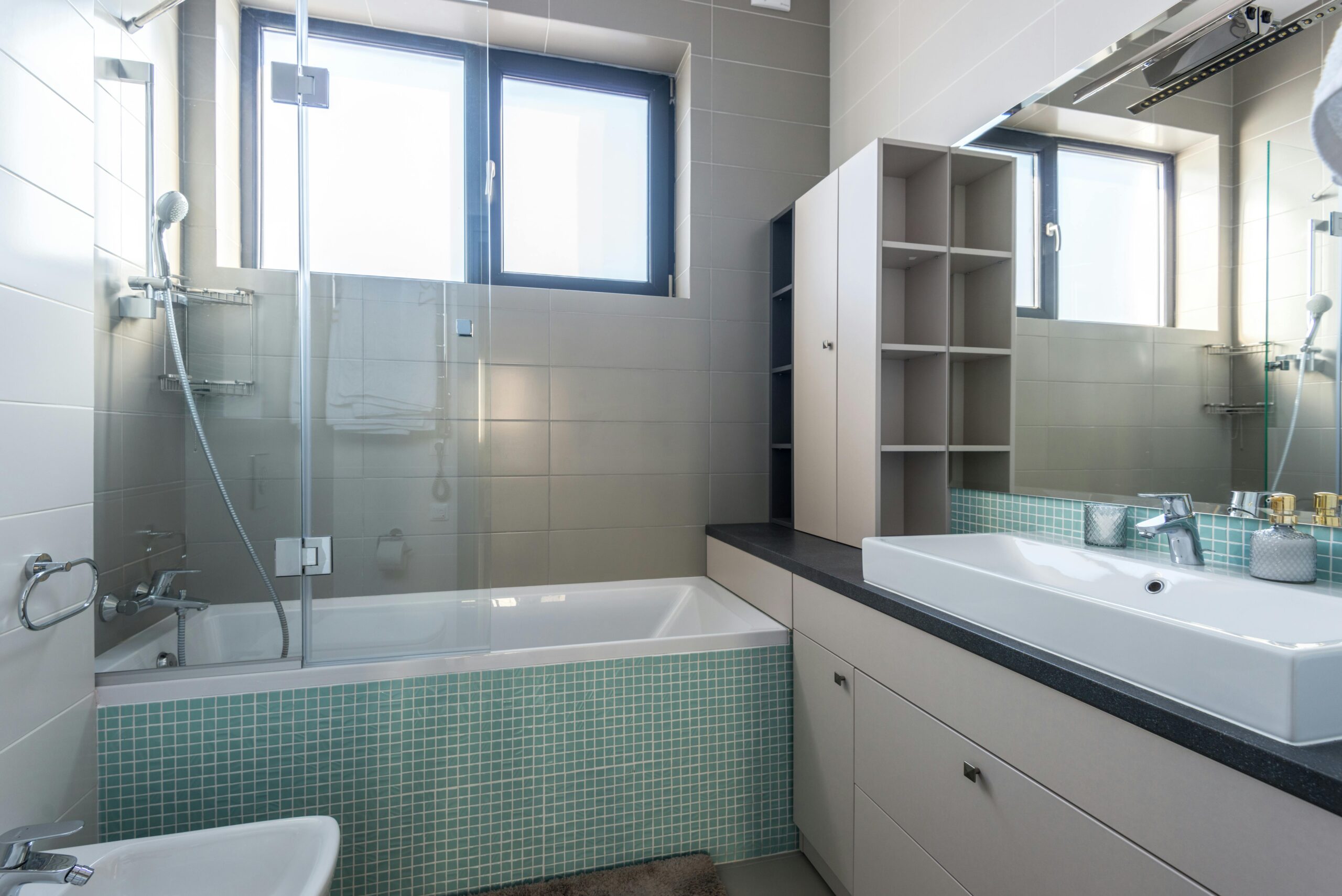
Bathrooms typically offer minimal storage, yet they must accommodate numerous products for multiple family members. Install tiered drawer organizers to separate makeup, hair accessories, and grooming tools. Use vertical storage solutions like over-the-toilet shelving units or tall narrow cabinets that take advantage of unused wall space.
Under-sink areas often become chaotic jumbles. Invest in stackable sliding baskets or U-shaped organizers that work around plumbing. Store extra toilet paper, cleaning supplies, and backup toiletries here, keeping countertops clear for daily essentials.
Medicine cabinets should contain only current medications and daily-use products. Relocate backups, first-aid supplies, and specialty items to a separate storage area, checking expiration dates during the transfer.
Bedroom Storage Solutions
Bedrooms need to balance clothing storage with maintaining a restful atmosphere. Maximize closet efficiency by using matching hangers, which allow clothes to hang closer together. Add a second hanging rod below your existing one for shirts and pants, instantly doubling capacity.
Under-bed storage works wonderfully for off-season clothing, extra bedding, or shoes. Choose containers with wheels for easy access and ensure they’re sealed to prevent dust accumulation. The space under beds represents significant untapped storage potential in most homes.
Drawer dividers prevent clothing from becoming disheveled messes. Organize socks, underwear, and accessories in separate compartments. You’ll save time getting dressed and extend the life of your clothing by reducing wear from constant searching.
❄️ Seasonal Storage Systems That Work Year-Round
Seasonal items present a unique challenge—they’re essential parts of your life, but only for limited periods. Effective seasonal storage keeps these items protected and accessible without sacrificing space you need daily.
Clothing Rotation Strategies
The changing seasons require wardrobe transitions that can overwhelm your closet. Implement a rotation system using vacuum-sealed bags or storage bins. At season’s end, clean all items before storing to prevent moth damage and odors. Label containers clearly with contents and sizes, especially important for growing children’s clothing.
Store out-of-season clothes in less accessible areas: high closet shelves, under beds, or in designated storage spaces. Keep one small section available for unseasonable weather surprises—a light jacket in summer or shorts for an unexpected warm winter day.
Consider garment racks in basements or spare rooms for seasonal coat storage. This prevents winter coats from overcrowding closets during summer while keeping them wrinkle-free and ready for next year.
Holiday Decoration Organization
Holiday decorations often multiply beyond available storage, creating annual frustration. Use clear plastic bins rather than cardboard boxes—they protect better against moisture and pests while letting you see contents without opening. Label each bin by holiday and room for efficient decorating and storage.
Invest in specialized storage for fragile items. Ornament organizers with individual compartments, wreath bags, and light spools prevent damage and tangling. These investments pay for themselves by extending the life of expensive decorations.
Create a holiday storage map documenting where each category lives. This simple reference sheet saves hours of searching and helps family members maintain your system.
Sports and Recreation Equipment
Seasonal sports gear requires strategic planning, especially for families with diverse interests. Wall-mounted racks and hooks keep bicycles, skis, kayaks, and other large items off the floor. Pegboards create customizable storage for smaller equipment like helmets, balls, and protective gear.
Garage ceiling storage systems maximize vertical space for items used only seasonally. Install sturdy racks above parked cars for camping equipment, seasonal tires, or pool accessories. This approach keeps floors clear while maintaining accessibility.
For apartment dwellers without garages, consider seasonal equipment rental or storage unit sharing with neighbors who use items during alternate seasons.
🛠️ Creative Solutions for Challenging Spaces
Every home has awkward spaces that seem impossible to utilize effectively. With creative thinking, these areas become valuable storage assets rather than wasted square footage.
Conquering Small Spaces
Small apartments and homes demand ingenious storage approaches. Furniture that serves multiple purposes becomes essential—ottomans with internal storage, beds with built-in drawers, or coffee tables with lift-up tops. Each piece should justify its footprint by providing storage alongside functionality.
Vertical space becomes critical in compact homes. Floor-to-ceiling shelving makes rooms feel larger while maximizing storage. Use the upper portions for decorative or seasonal items, keeping frequently accessed items at convenient heights.
Door-mounted organizers work throughout the home—over bedroom doors for accessories, inside pantry doors for spices, or on closet doors for shoes. These additions require no floor space while significantly increasing storage capacity.
Awkward Nooks and Crannies
Those strange spaces under stairs, sloped attic areas, or narrow hallways can become storage goldmines. Custom shelving transforms under-stair areas into organized storage for books, shoes, or cleaning supplies. Sloped attic spaces accommodate low-profile storage containers perfectly when arranged thoughtfully.
Narrow hallways can accommodate slim shelving units or wall-mounted cabinets without impeding traffic flow. Use these for displaying collections while storing items behind closed doors below.
📱 Technology and Apps for Storage Management
Modern technology offers powerful tools for managing storage systems. Inventory apps help track what you own and where it’s stored, particularly valuable for seasonal items stored in less visible locations.
Photo documentation proves invaluable when storage spaces are packed. Before sealing boxes or closing storage areas, photograph contents. Store these photos in organized albums on your phone, making searches quick and eliminating unnecessary container opening.
Smart home organization apps can help you plan room layouts, calculate storage needs, and even remind you when it’s time for seasonal rotations. Some apps integrate shopping lists, preventing duplicate purchases by showing what you already have stored.
💡 Maintenance and Evolution of Your Storage System
Creating an effective storage system is just the beginning—maintaining it requires ongoing attention and willingness to adapt. Schedule quarterly reviews of high-use areas and annual assessments of seasonal storage. These check-ins identify problems before they become overwhelming.
As life circumstances change, storage needs evolve. A new baby, starting a business from home, or children moving out all require storage adjustments. Build flexibility into your systems using modular storage solutions that adapt to changing requirements.
The one-in-one-out rule maintains storage balance. When new items enter your home, something old must leave. This principle prevents gradual accumulation that eventually overwhelms even well-planned systems.
Involving the Whole Household
Storage systems only work when everyone participates. Make organization intuitive enough that family members naturally maintain it. Clear labels, logical placement, and accessible storage all support compliance. For children, use picture labels alongside text and keep their storage solutions at appropriate heights.
Hold brief family meetings when implementing new storage strategies. Explain the reasoning behind organizational decisions and invite feedback. When people understand why systems exist and have input in creating them, they’re far more likely to maintain them.
🎯 Building Your Personalized Storage Plan
Armed with these strategies, you’re ready to create a customized storage plan for your home. Start with the area causing the most daily frustration—often the kitchen, primary bedroom closet, or entryway. Implementing one successful system builds momentum and confidence for tackling remaining spaces.
Set realistic timelines. Overhauling an entire home’s storage takes time, and rushing leads to poor decisions. Focus on one room or category at a time, completing each project before moving forward. This approach prevents the overwhelm that causes many people to abandon organization efforts.
Remember that perfect storage systems don’t exist—only systems that work for your specific household. What functions beautifully for minimalists might frustrate collectors. What works for athletic families differs from what crafters need. Your storage plan should reflect your lifestyle, not aspirational Instagram images.
Budget considerations matter, but effective storage doesn’t require expensive solutions. Many highly functional systems use repurposed items, budget-friendly retailers, or DIY approaches. Prioritize spending on areas you use constantly, where quality storage makes daily life significantly easier.
As you implement these strategies, you’ll notice profound changes beyond mere organization. Stress decreases when you’re not constantly searching for items. Mornings become smoother when everything has a designated place. You’ll save money by knowing exactly what you own and where to find it. Most importantly, you’ll reclaim living space previously lost to chaos, making your home feel larger and more welcoming.
Strategic storage planning isn’t about achieving perfection or maintaining magazine-worthy spaces. It’s about creating functional systems that support your daily life while accommodating seasonal needs. When you maximize space through thoughtful planning, you’re investing in your quality of life, reducing stress, and creating a home that truly serves your needs throughout the entire year.