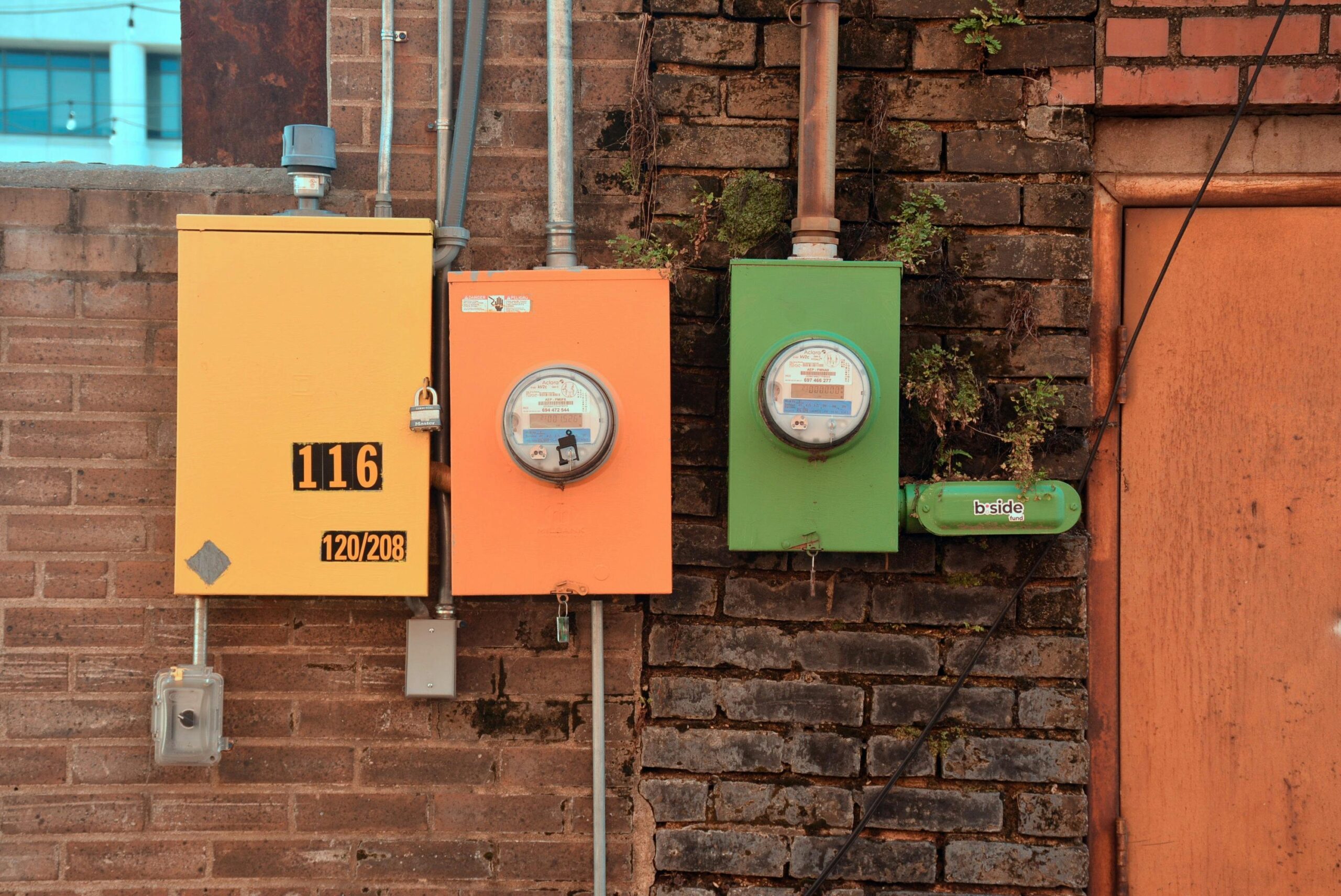
Emergency reserves aren’t just safety nets—they’re strategic lifelines that transform how you manage resources, protect assets, and maintain operational continuity through unpredictable storage cycles.

🔄 Understanding Storage Cycles and Their Vulnerabilities
Storage cycles represent the natural ebb and flow of inventory, supplies, and resources within any system. Whether you’re managing household goods, business inventory, or digital assets, these cycles follow predictable patterns of accumulation, utilization, and replenishment. However, disruptions can strike at any moment, making emergency reserve planning not just advisable but essential.
The foundation of effective reserve planning begins with recognizing that storage cycles aren’t isolated events. They interconnect with supply chains, seasonal demands, market fluctuations, and unforeseen circumstances. When Hurricane Katrina devastated the Gulf Coast in 2005, businesses without adequate emergency reserves faced months of operational paralysis, while prepared organizations recovered within weeks.
Modern storage management faces unprecedented challenges. Global supply chain disruptions, climate emergencies, economic volatility, and technological dependencies create layers of complexity that previous generations never encountered. Your emergency reserve strategy must account for these multifaceted risks while remaining flexible enough to adapt to emerging threats.
📊 Calculating Your Optimal Reserve Levels
Determining the right amount of emergency reserves requires balancing protection against the costs of maintaining excess inventory. Too little leaves you vulnerable; too much ties up capital and storage space unnecessarily. The optimal reserve level depends on several critical factors that vary significantly across different contexts.
Start by analyzing your consumption patterns over the past 12-24 months. Identify your baseline usage rates, seasonal variations, and any anomalies that disrupted normal operations. This historical data provides the foundation for projecting future needs and anticipating potential shortfalls during emergencies.
Key Factors Influencing Reserve Requirements
- Lead time for replenishment from primary suppliers
- Availability of alternative supply sources
- Storage capacity and associated costs
- Product shelf life and degradation rates
- Regulatory requirements and compliance standards
- Risk tolerance and business continuity objectives
- Financial resources available for reserve maintenance
Industry standards suggest maintaining reserves equivalent to 30-90 days of normal operations, but this general guideline requires customization. A manufacturing facility dependent on specialized components from overseas suppliers might need 120 days of critical parts, while a retailer with multiple local vendors could operate comfortably with 20 days of backup stock.
🎯 Strategic Reserve Allocation Across Storage Categories
Not all items in your storage cycles deserve equal reserve attention. Strategic allocation prioritizes resources based on criticality, replacement difficulty, and potential impact of shortages. This tiered approach maximizes protection while optimizing storage efficiency and capital utilization.
Category A items represent mission-critical resources that would halt operations or create severe consequences if depleted. These require the highest reserve levels, often 90-180 days of supply, with multiple backup suppliers and alternative sourcing strategies. Examples include essential raw materials, life-saving medications, or irreplaceable components.
Category B items support important but not immediately critical functions. These merit moderate reserves of 30-60 days, with established backup procurement channels. Category C encompasses routine, easily replaceable items requiring minimal reserves—perhaps just 7-15 days—since rapid replenishment poses little challenge.
| Category | Criticality Level | Recommended Reserve | Review Frequency |
|---|---|---|---|
| A – Critical | High Impact | 90-180 days | Weekly |
| B – Important | Moderate Impact | 30-60 days | Bi-weekly |
| C – Routine | Low Impact | 7-15 days | Monthly |
💡 Implementing Rotation Protocols to Prevent Waste
Emergency reserves that sit untouched eventually become liabilities rather than assets. Perishable goods expire, technology becomes obsolete, and even non-perishable items degrade over time. Effective rotation protocols integrate emergency reserves into regular storage cycles, ensuring freshness while maintaining adequate protection levels.
The First-In-First-Out (FIFO) principle forms the backbone of most rotation strategies. As you replenish storage, older reserve items move into active circulation while fresh stock enters the reserve pipeline. This continuous flow prevents waste while keeping your emergency supplies current and functional.
For items with specific expiration dates, implement a “use-by” tracking system that flags items approaching their limits. Schedule regular rotation intervals—monthly for fast-moving consumables, quarterly for moderate-turnover items, and annually for long-term stable goods. Digital inventory management systems can automate these alerts, reducing the administrative burden significantly.
Temperature-Sensitive and Specialized Storage Considerations
Certain emergency reserves demand specialized storage conditions that complicate rotation protocols. Pharmaceuticals, certain foods, electronics, and chemical compounds require climate-controlled environments. Your rotation schedule must account for these requirements without compromising storage integrity.
Document specific handling procedures for each category of sensitive materials. Train all personnel involved in storage management on proper rotation techniques, contamination prevention, and emergency response protocols. When emergencies strike, you need confidence that every item in your reserves remains functional and safe for immediate deployment.
🔍 Monitoring and Auditing Your Reserve Systems
A reserve plan exists on paper means nothing without rigorous monitoring and periodic audits. Establish systematic verification procedures that confirm physical inventory matches documented records, storage conditions remain optimal, and reserve levels stay within established parameters. Regular audits catch discrepancies before they escalate into critical shortages during emergencies.
Monthly spot checks provide early warning of inventory drift, where actual stocks diverge from recorded quantities due to theft, misplacement, unreported consumption, or documentation errors. Comprehensive quarterly audits verify all reserve categories, assess storage facility conditions, and validate that rotation protocols are functioning correctly.
Annual strategic reviews examine whether your reserve planning assumptions remain valid. Markets evolve, supply chains shift, business models transform, and risk profiles change. What constituted adequate reserves last year might prove insufficient today, or perhaps excessive given new circumstances. These annual assessments recalibrate your entire emergency reserve strategy to reflect current realities.
🌐 Building Resilient Supply Networks
Emergency reserves represent just one component of comprehensive preparedness. The most resilient organizations complement physical reserves with diversified supply networks that provide alternatives when primary sources fail. This multi-layered approach creates redundancy without requiring proportionally larger physical storage capacity.
Identify and pre-qualify secondary and tertiary suppliers for critical items. Establish framework agreements that guarantee access during emergencies, even if you don’t regularly purchase from these vendors. Geographic diversification proves particularly valuable—suppliers spread across different regions insulate you from localized disasters that might simultaneously affect your operations and your primary vendors.
Consider consortium arrangements with non-competing organizations facing similar supply challenges. Shared emergency reserves and mutual assistance agreements can extend everyone’s resilience while reducing individual storage burdens. These collaborative relationships require careful structuring to ensure equitable contribution and access, but they create powerful safety nets during widespread disruptions.
📱 Technology Integration for Enhanced Reserve Management
Modern technology transforms emergency reserve planning from administrative burden into strategic advantage. Inventory management systems with real-time tracking capabilities provide instant visibility into reserve levels, consumption rates, and projected depletion timelines. This information enables proactive decision-making rather than reactive crisis management.
Internet of Things (IoT) sensors monitor storage conditions continuously, alerting managers to temperature fluctuations, humidity changes, or security breaches that might compromise reserve integrity. Automated reordering systems trigger replenishment when reserves approach minimum thresholds, eliminating the risk of human oversight allowing critical shortages.
Predictive analytics leverage historical consumption patterns, seasonal trends, and external factors to forecast future needs with increasing accuracy. Machine learning algorithms identify subtle patterns that human analysts might miss, enabling more precise reserve calibration and early warning of unusual demand patterns that might signal emerging problems.
💰 Financial Considerations and Cost Optimization
Emergency reserves represent significant capital investment that generates no immediate return. Storage facilities consume resources, inventory ties up working capital, and maintenance requires ongoing expenditure. Balancing adequate protection against financial efficiency challenges every organization implementing reserve strategies.
Calculate the total cost of reserve ownership including procurement, storage facility expenses, insurance, security, handling, rotation labor, and capital opportunity costs. Compare these costs against the potential losses from supply disruptions—lost revenue, expedited procurement premiums, customer attrition, and reputational damage. This analysis quantifies the value proposition of your reserve investment.
Explore cost optimization strategies that maintain protection while reducing expenses. Consignment arrangements with suppliers keep inventory on your premises without immediate capital outlay. Just-in-case inventory positioned at strategic third-party logistics hubs provides access without requiring your own dedicated storage facilities. Vendor-managed inventory programs shift monitoring responsibilities while preserving emergency access rights.
Insurance and Risk Transfer Mechanisms
Financial instruments can complement physical reserves by providing capital for emergency procurement when reserves prove insufficient or when specific scenarios fall outside your planned coverage. Supply chain insurance policies, business interruption coverage, and parametric insurance triggered by specific events create additional layers of financial resilience.
These mechanisms don’t replace physical reserves for immediate needs, but they prevent minor shortfalls from escalating into financial crises. The optimal strategy combines appropriate physical reserves with risk transfer mechanisms that provide financial flexibility during extended disruptions exceeding your reserve capacity.
🚨 Crisis Activation and Emergency Deployment Protocols
The true test of emergency reserve planning arrives during actual crises. Clear activation protocols determine when to begin drawing on reserves, who authorizes deployment, and how to manage consumption to maximize the protective period. Ambiguous procedures create confusion exactly when decisive action matters most.
Define specific trigger criteria for reserve activation. These might include supply chain disruptions exceeding 48 hours, confirmed supplier bankruptcies, natural disasters affecting your region, or consumption rates exceeding 150% of normal levels. Automated monitoring systems should flag these conditions immediately, initiating predetermined response sequences.
Establish authority hierarchies specifying who can authorize reserve deployment at different levels. Routine drawing on reserves might require only warehouse manager approval, while major deployments need executive authorization. During widespread emergencies, consider delegating broader authority to front-line managers who can respond rapidly without bureaucratic delays.
🔄 Post-Crisis Replenishment and System Reset
After deploying emergency reserves during crises, systematic replenishment restores protection for future disruptions. This process isn’t simply reordering what was consumed; it requires reassessing whether previous reserve levels proved adequate, whether additional categories need reserve protection, and whether deployment protocols functioned effectively.
Conduct thorough after-action reviews examining every aspect of reserve performance during the crisis. What worked well? What fell short? Did reserves last as long as projected? Were rotation protocols adequate to ensure quality? Did technology systems provide necessary information? These insights drive continuous improvement in your reserve planning.
Prioritize replenishment based on criticality and lead times. Category A items require immediate reordering, potentially using expedited procurement despite higher costs. Category B and C items can follow normal replenishment channels unless the crisis revealed previously unrecognized criticality requiring category elevation.
🌟 Building Organizational Culture Around Preparedness
Effective emergency reserve planning transcends policies and procedures; it requires organizational culture that values preparedness and understands everyone’s role in maintaining resilience. When only a few specialists understand reserve systems, knowledge gaps create vulnerabilities. When entire teams embrace preparedness principles, resilience becomes embedded in daily operations.
Regular training ensures all relevant personnel understand reserve locations, access procedures, rotation protocols, and emergency deployment criteria. Simulation exercises test whether theoretical plans function during realistic crisis scenarios. These drills identify procedural gaps and build muscle memory that enables smooth execution during actual emergencies when stress levels run high.
Recognize and reward preparedness contributions. Celebrate successful rotation cycles that prevented waste. Acknowledge staff members who identified potential reserve shortfalls before they became critical. When organizational culture treats preparedness as everyone’s responsibility rather than a specialized function, resilience becomes sustainable rather than dependent on specific individuals.
🎓 Learning from Real-World Reserve Planning Successes and Failures
History provides powerful lessons about emergency reserve planning effectiveness. The 2011 Thailand floods disrupted global hard drive manufacturing, causing shortages that persisted for months. Companies with adequate component reserves maintained production while competitors faced assembly line shutdowns. Those reserve investments generated competitive advantages worth many times their cost.
Conversely, the COVID-19 pandemic exposed widespread reserve planning failures across industries. Personal protective equipment shortages in healthcare, semiconductor shortfalls in automotive manufacturing, and consumer goods scarcity in retail all reflected inadequate emergency reserves for the scale and duration of disruption. Organizations that had diversified suppliers and maintained deeper reserves adapted far more successfully.
These examples illustrate that effective reserve planning requires imagining scenarios beyond recent experience. The unprecedented becomes inevitable given sufficient time. Your reserve strategy should protect against both probable minor disruptions and improbable but catastrophic events that could threaten organizational survival.
🔐 Security and Access Control for Emergency Reserves
Emergency reserves represent valuable assets requiring protection from theft, tampering, and unauthorized access. Physical security measures, access controls, and inventory accountability systems safeguard these critical resources while ensuring legitimate access during genuine emergencies remains unimpeded.
Implement tiered access controls matching reserve criticality. Category A reserves might require dual authorization, biometric access, and continuous surveillance. Lower-tier reserves need appropriate but less stringent controls. Balance security against operational efficiency—overly cumbersome procedures discourage proper reserve management and create workarounds that undermine the entire system.
Cybersecurity protections prove equally important for digital inventory management systems. Ransomware attacks that encrypt inventory databases or manipulate recorded quantities could prove as disruptive as physical disasters. Regular backups, access authentication, and intrusion detection systems protect the information infrastructure supporting your reserve planning.
🌱 Sustainability Considerations in Reserve Planning
Environmental responsibility and emergency preparedness need not conflict. Sustainable reserve planning minimizes waste through effective rotation, chooses environmentally responsible storage methods, and considers lifecycle impacts when selecting reserve items. These practices align preparedness with broader organizational sustainability objectives.
Evaluate whether reserve packaging can be reduced or made from recycled materials without compromising protection. Consider whether certain reserve categories could utilize refurbished or remanufactured items rather than exclusively new products. Implement energy-efficient climate control systems for temperature-sensitive reserves. These measures reduce environmental impact while maintaining effective emergency protection.
Some organizations are exploring shared reserve programs that reduce aggregate storage requirements across multiple entities. While requiring careful coordination, these collaborative approaches can significantly decrease the total environmental footprint of emergency preparedness while potentially improving resilience through diversified geographic storage locations.

🎯 Future-Proofing Your Emergency Reserve Strategy
Effective reserve planning remains dynamic rather than static. Emerging technologies, evolving risks, and changing operational requirements demand continuous adaptation. Organizations that treat reserve planning as ongoing strategic activity rather than one-time project maintain relevance and effectiveness over time.
Stay informed about emerging risks that might require reserve planning adjustments. Climate change creates new weather pattern disruptions. Geopolitical shifts affect supply chain stability. Technological advances both create dependencies and offer new solutions. Demographic trends influence labor availability for reserve management. Successful organizations scan these horizons continuously, adapting reserve strategies proactively rather than reactively.
Consider how emerging technologies might transform reserve planning. Additive manufacturing could enable on-demand production of certain items, potentially reducing physical reserve requirements. Blockchain technology might create more transparent supply chain visibility, enabling more precise reserve calibration. Autonomous systems could revolutionize warehouse management and rotation protocols. Staying ahead of these curves maintains competitive advantage through superior preparedness.
Emergency reserve planning represents strategic investment in organizational resilience that pays dividends during inevitable disruptions. By calculating optimal reserve levels, implementing rigorous rotation protocols, leveraging technology, and building preparedness culture, you transform storage cycles from vulnerability into strength. The question isn’t whether disruptions will occur, but whether your organization will be prepared when they do. Stay prepared, stay resilient, and let your emergency reserves become the foundation of sustained operational excellence through whatever challenges tomorrow brings. 🛡️