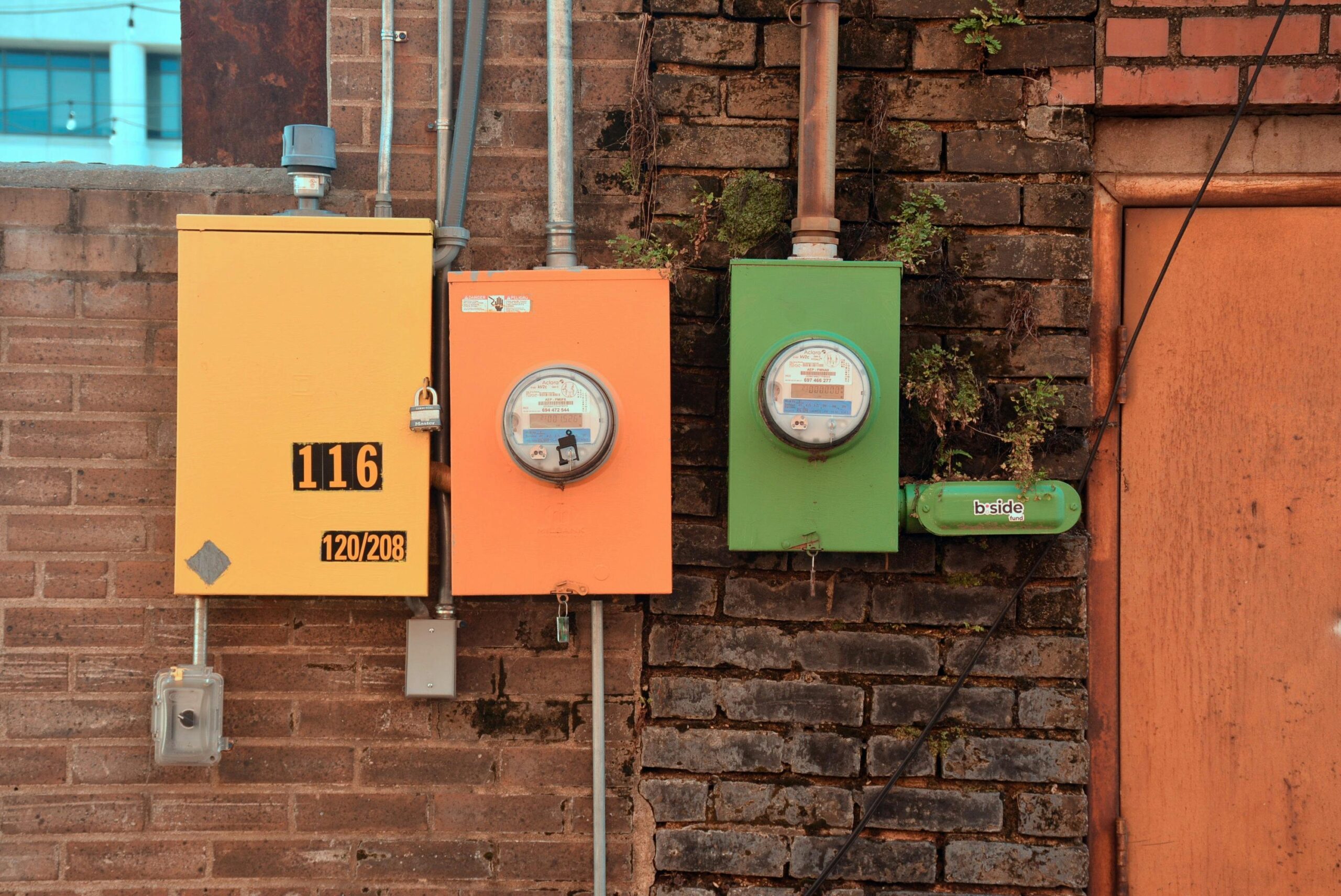
The global energy transition demands innovative storage solutions to balance renewable supply with fluctuating demand, making battery, thermal, and hydrogen systems critical infrastructure.

⚡ Understanding the Energy Storage Revolution
As the world pivots away from fossil fuels, energy storage has emerged as the cornerstone of sustainable power systems. Solar panels generate electricity during sunny days, wind turbines spin when breezes blow, but our energy needs persist around the clock. This fundamental mismatch between renewable generation and consumption patterns creates an urgent need for sophisticated storage technologies.
Three primary storage cycles dominate today’s energy landscape: electrochemical batteries, thermal energy storage, and hydrogen-based systems. Each approach offers distinct advantages and faces unique challenges, making them suitable for different applications and scales. Understanding these technologies is essential for policymakers, investors, and anyone interested in sustainable energy futures.
The choice between storage technologies depends on numerous factors including duration requirements, power capacity, efficiency targets, geographical constraints, and economic considerations. No single solution fits all scenarios, which is why a diversified storage portfolio represents the most pragmatic path forward for energy independence and grid reliability.
🔋 Battery Storage: The Frontrunner in Energy Transition
Battery technology has experienced remarkable advances in recent decades, driven primarily by consumer electronics and electric vehicle markets. These developments have cascaded into grid-scale applications, positioning batteries as the most deployed energy storage solution globally. Lithium-ion chemistry currently dominates, though alternative formulations continue emerging.
Advantages of Battery Storage Systems
Battery systems offer unparalleled response times, capable of transitioning from standby to full power delivery within milliseconds. This rapid response makes them ideal for frequency regulation and voltage support services that maintain grid stability. Their modular nature allows scalable deployment from residential installations to utility-scale facilities exceeding hundreds of megawatts.
The round-trip efficiency of modern lithium-ion batteries typically ranges between 85-95%, meaning minimal energy loss during charge-discharge cycles. This efficiency advantage translates directly into economic benefits, maximizing the value of stored renewable energy. Installation timelines are relatively short compared to other storage technologies, enabling faster project deployment.
Battery management systems have become increasingly sophisticated, incorporating artificial intelligence algorithms that optimize charging patterns, predict maintenance needs, and extend operational lifespans. These intelligent controls enhance safety while maximizing return on investment for operators.
Limitations and Challenges
Despite their advantages, batteries face significant constraints. Energy density limitations mean substantial physical footprints for large-scale storage requirements. Duration constraints typically limit economic discharge periods to 4-6 hours, making batteries less suitable for seasonal storage or extended duration applications.
Raw material dependencies create supply chain vulnerabilities and environmental concerns. Lithium, cobalt, and nickel mining involves substantial environmental impacts and geopolitical risks. Recycling infrastructure remains underdeveloped, though industry initiatives are accelerating circular economy approaches.
Thermal management represents another challenge, particularly in extreme climates. Batteries require cooling systems that consume energy and add complexity. Degradation over time reduces capacity, with most systems losing 20-30% capacity after 10-15 years depending on usage patterns and environmental conditions.
- High upfront capital costs despite declining prices
- Fire safety concerns requiring sophisticated suppression systems
- Limited lifespan typically between 10-15 years
- Performance degradation in extreme temperatures
- Environmental impact of mining and disposal
🌡️ Thermal Energy Storage: Ancient Concept, Modern Applications
Thermal storage represents one of humanity’s oldest energy management strategies, now reimagined with cutting-edge materials and engineering. These systems store energy as heat or cold, offering unique advantages for specific applications. Technologies range from simple hot water tanks to advanced molten salt systems and phase-change materials.
The Strengths of Thermal Storage
Thermal storage systems excel in duration and capacity. Molten salt storage at concentrated solar power plants can discharge for 12-18 hours, far exceeding battery duration limits. The materials involved—water, rocks, salts, or ceramics—are abundant, non-toxic, and inexpensive compared to battery components.
Integration with heating and cooling systems creates synergies in buildings and industrial processes. District heating networks can store summer heat for winter use, dramatically improving overall system efficiency. Industrial facilities can capture waste heat for later use, converting inefficiency into valuable energy resources.
Thermal storage systems demonstrate exceptional longevity, with minimal degradation over decades. A properly maintained molten salt system can operate for 30+ years without significant capacity loss. This durability spreads capital costs over extended periods, improving long-term economics.
The technology is inherently safe, lacking the fire and explosion risks associated with batteries or hydrogen. Thermal runaway scenarios don’t exist, and even catastrophic failures typically result in manageable consequences rather than dangerous incidents.
Drawbacks and Operational Constraints
Energy conversion represents thermal storage’s primary weakness. Converting electricity to heat achieves high efficiency, but converting heat back to electricity involves substantial losses. Typical round-trip electrical efficiency ranges from 30-50%, significantly lower than batteries. This limitation restricts thermal storage primarily to applications where heat is the end-use energy form.
Heat dissipation over time reduces storage effectiveness, particularly for long-duration applications. Even with excellent insulation, thermal losses accumulate, making seasonal storage challenging without massive scale. Geographic and climate factors significantly influence system performance and economic viability.
Physical footprints can be substantial for large-capacity systems. Molten salt tanks at utility-scale facilities occupy considerable space, potentially creating siting challenges. Weight considerations for elevated temperature systems require robust structural engineering, adding complexity and cost.
💧 Hydrogen Storage: The Long-Duration Champion
Hydrogen storage represents the frontier of long-duration energy management, offering theoretical storage capabilities measured in weeks or months rather than hours. This molecule serves as both energy carrier and storage medium, enabling remarkable flexibility across energy sectors. Production methods range from fossil fuel reforming to renewable-powered electrolysis.
Compelling Advantages of Hydrogen Systems
Hydrogen provides unmatched energy density by mass, containing roughly three times the energy per kilogram as gasoline. This characteristic makes it particularly attractive for transportation applications and portable power needs. Storage duration is essentially unlimited—hydrogen can remain stored for months without degradation.
The versatility of hydrogen extends across multiple sectors. It can generate electricity through fuel cells or combustion turbines, serve as industrial feedstock, heat buildings, or power vehicles. This multi-use potential creates opportunities for integrated energy systems that optimize across various demands.
Green hydrogen production via renewable-powered electrolysis offers a pathway to completely decarbonize storage cycles. When produced and consumed without fossil fuels, hydrogen enables zero-emission energy systems. This potential positions hydrogen as essential for hard-to-decarbonize sectors like steel production, shipping, and aviation.
Infrastructure synergies with existing natural gas networks present deployment advantages. Modified pipelines can transport hydrogen, and existing storage caverns can accommodate the molecule with appropriate engineering modifications, reducing capital requirements compared to entirely new infrastructure.
Significant Challenges Facing Hydrogen
Round-trip efficiency remains hydrogen’s most significant technical challenge. The complete cycle from electricity to hydrogen and back to electricity typically achieves only 30-40% efficiency. Energy losses occur during electrolysis, compression or liquefaction, storage, and reconversion, making hydrogen less economically attractive for short-duration applications where batteries excel.
Storage and transportation present formidable engineering challenges. Hydrogen’s small molecular size enables leakage through materials that contain other gases. High-pressure compression requires energy and creates safety considerations. Liquefaction demands extremely low temperatures, consuming substantial energy and requiring specialized equipment.
Infrastructure development requires massive investment. Production facilities, transportation networks, storage systems, and end-use equipment all need substantial buildout. The chicken-and-egg dilemma of supply and demand creates deployment barriers that slow market development.
Safety concerns, while manageable, require careful attention. Hydrogen’s wide flammability range and invisible flame create unique hazards. Public perception challenges persist despite hydrogen’s long industrial use history. Regulatory frameworks continue evolving, creating uncertainty for project developers and investors.
📊 Comparative Analysis: Choosing the Right Technology
Selecting appropriate storage technology requires careful evaluation of specific application requirements, economic constraints, and system integration considerations. The following comparison highlights key differentiating factors across battery, thermal, and hydrogen storage systems.
| Characteristic | Battery Storage | Thermal Storage | Hydrogen Storage |
|---|---|---|---|
| Round-trip Efficiency | 85-95% | 30-50% (electricity) | 30-40% |
| Typical Duration | 2-6 hours | 6-18 hours | Days to months |
| Response Time | Milliseconds | Minutes to hours | Seconds to minutes |
| Lifespan | 10-15 years | 25-40 years | 20-30 years |
| Energy Density | Moderate | Low | Very High (by mass) |
| Capital Cost | Moderate-High | Low-Moderate | High |
🌍 Real-World Applications and Case Studies
Battery storage has proven transformative in South Australia, where the Hornsdale Power Reserve stabilizes the grid while generating revenue through multiple market services. This 150 MW facility responds to grid events faster than conventional generators, demonstrating batteries’ technical and economic viability at utility scale.
Thermal storage shines in concentrated solar power applications like the Crescent Dunes facility in Nevada, which originally achieved 10 hours of molten salt storage, enabling electricity generation well into evening hours when solar panels go dark. District heating systems throughout Scandinavia leverage seasonal thermal storage to balance summer collection with winter heating demands.
Hydrogen projects are scaling globally, with Japan’s Fukushima Hydrogen Energy Research Field producing green hydrogen for multiple applications. Germany’s energy transition strategy incorporates substantial hydrogen infrastructure investment, recognizing its role in seasonal storage and industrial decarbonization. Port operations in Los Angeles are piloting hydrogen fuel cells for heavy equipment, demonstrating transportation applications.
💡 Hybrid Systems: Combining Storage Technologies
Increasingly, energy planners recognize that hybrid storage systems combining multiple technologies deliver superior performance and economics compared to single-technology approaches. Batteries provide rapid response and high efficiency for short-duration needs, while hydrogen handles longer duration storage requirements.
Such complementary deployment optimizes capital allocation by matching technology characteristics to specific services. A renewable energy facility might employ batteries for ancillary services and intraday arbitrage, thermal storage for process heat requirements, and hydrogen for multi-day storage and sector coupling.
Control systems that coordinate multiple storage technologies are becoming more sophisticated, using machine learning algorithms to predict demand patterns, optimize charge-discharge schedules, and maximize revenue across various market opportunities. This intelligent orchestration enhances overall system value beyond what individual technologies could achieve.
🔮 Future Trajectories and Emerging Innovations
Battery technology continues evolving beyond lithium-ion chemistry. Sodium-ion batteries promise lower costs and improved safety using abundant materials. Flow batteries offer decoupled power and energy capacity, potentially addressing duration limitations. Solid-state designs could dramatically enhance safety and energy density.
Thermal storage innovations include thermochemical systems that store energy in reversible chemical reactions, achieving higher energy density than sensible or latent heat approaches. Advanced phase-change materials with precisely engineered transition temperatures enable optimized building integration.
Hydrogen technology is progressing across the value chain. Advanced electrolyzer designs improve efficiency and reduce costs. Novel storage methods including liquid organic hydrogen carriers and metal hydrides address transportation and safety challenges. Fuel cell durability continues improving while costs decline.
Artificial intelligence and machine learning are transforming storage system operation across all technologies. Predictive algorithms optimize maintenance schedules, anticipate failure modes, and coordinate storage assets within broader energy systems. These digital innovations extract additional value from physical infrastructure investments.
🎯 Strategic Considerations for Stakeholders
Energy utilities must evaluate storage investments within broader grid modernization strategies, considering how storage complements transmission upgrades and demand management programs. Regulatory frameworks significantly influence project economics, making policy engagement essential for successful deployment.
Industrial facilities should assess storage opportunities within energy management strategies, identifying where waste heat recovery, load shifting, or backup power applications justify investment. Process integration often reveals synergies that improve overall efficiency while reducing energy costs.
Residential and commercial building owners increasingly consider storage for backup power, rate arbitrage, and solar self-consumption optimization. Declining costs and expanding financing options make distributed storage accessible to broader markets, though careful analysis remains essential for positive returns.
Policymakers face critical decisions regarding support mechanisms, safety regulations, and infrastructure planning. Balanced approaches that recognize different technologies’ complementary roles while maintaining technology-neutral competition typically produce optimal outcomes for ratepayers and broader societal objectives.

🌟 Navigating the Storage Landscape for a Sustainable Future
The energy storage revolution is not about declaring a single winning technology but rather deploying a portfolio of complementary solutions tailored to specific needs. Batteries excel at rapid response and high-efficiency short-duration storage. Thermal systems offer economical, long-lived storage for heating and cooling applications. Hydrogen provides unmatched long-duration capacity and sector coupling opportunities.
Successful energy transitions will leverage all three storage cycles strategically, matching technologies to applications where their strengths shine and limitations matter least. Investment in research, development, and demonstration projects accelerates learning and cost reduction across all platforms.
The path forward requires collaboration among technology developers, utilities, regulators, and end users. Shared infrastructure, standardized interfaces, and coordinated planning maximize societal benefits while minimizing redundant investments. Public education builds acceptance for necessary changes to energy systems.
As renewable generation continues its exponential growth trajectory, storage becomes increasingly critical for grid stability and economic optimization. The complementary deployment of battery, thermal, and hydrogen storage systems creates resilient, flexible, and sustainable energy infrastructure capable of powering human civilization through the critical transitions ahead.