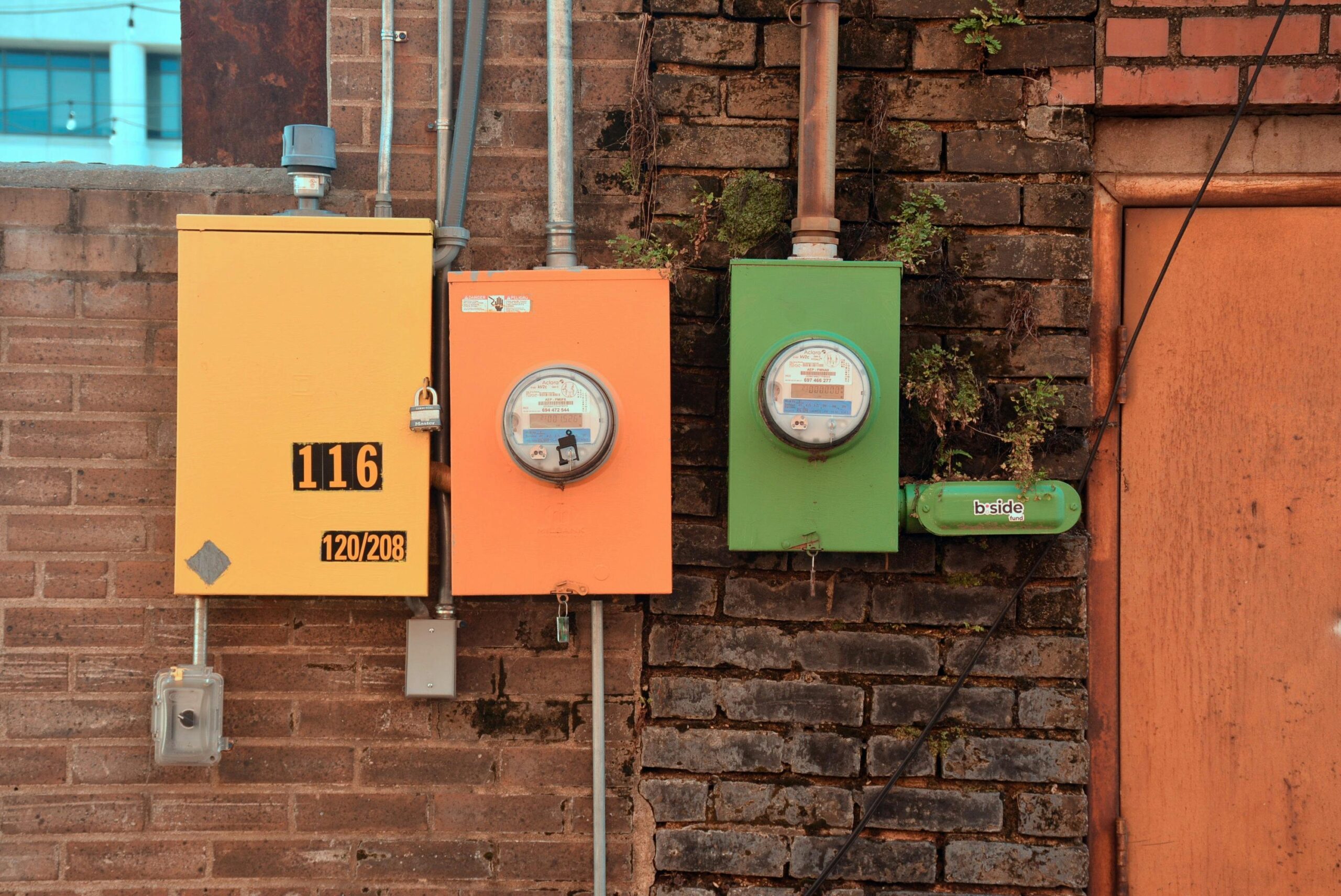
Understanding consumption surges before they happen gives businesses a competitive edge, allowing them to optimize inventory, marketing, and revenue strategies in real-time.

🔍 Why Detecting Consumption Patterns Early Matters
In today’s fast-paced marketplace, the difference between thriving and merely surviving often comes down to timing. Companies that can identify emerging consumption trends before their competitors gain substantial advantages in market positioning, inventory management, and customer satisfaction. The ability to anticipate demand surges translates directly into reduced waste, improved cash flow, and enhanced customer loyalty.
Early detection of consumption increases isn’t just about having more products on shelves. It’s about understanding the underlying behavioral shifts, seasonal patterns, economic indicators, and cultural movements that drive purchasing decisions. Businesses that master this skill can adjust pricing strategies, ramp up production, secure supply chains, and launch targeted marketing campaigns precisely when they’ll have maximum impact.
The cost of missing these signals can be devastating. Stockouts during high-demand periods result in lost sales, damaged brand reputation, and customers turning to competitors. Conversely, overestimating demand leads to excess inventory, price markdowns, and diminished profit margins. The sweet spot lies in developing robust systems for identifying consumption surge indicators early enough to respond effectively.
📊 Digital Footprints as Consumption Predictors
The digital age has transformed how we track consumer interest. Search engine queries, social media engagement, and online browsing behaviors provide unprecedented visibility into what people want before they actually make purchases. Google Trends data, for instance, often shows spikes in search volume weeks or even months before corresponding sales increases materialize in retail environments.
Social media platforms serve as real-time focus groups on a massive scale. When influencers begin featuring specific products, when hashtags gain momentum, or when user-generated content around certain categories multiplies, these are strong indicators of brewing consumption surges. Smart businesses monitor these platforms not just for brand mentions but for broader category discussions that signal shifting consumer preferences.
E-commerce behavior patterns reveal particularly valuable insights. Shopping cart additions, wishlist saves, product page views, and time spent on specific categories all telegraph purchasing intent. When these metrics show unusual acceleration across customer segments, they often precede actual transaction increases by days or weeks, providing a crucial early warning window for businesses to prepare.
Leveraging Analytics Tools for Pattern Recognition
Modern analytics platforms have become indispensable for consumption forecasting. These tools aggregate data from multiple sources, applying machine learning algorithms to identify patterns that human analysts might miss. They can correlate seemingly unrelated data points—weather patterns with beverage sales, economic indicators with luxury goods purchases, or viral content with product category interest.
The most sophisticated systems now incorporate predictive analytics that don’t just report what’s happening but forecast what’s likely to happen next. By analyzing historical patterns alongside current signals, these platforms can alert businesses to probable consumption surges with increasing accuracy. The key is selecting tools that align with your specific industry, market, and business model.
🌡️ Economic Indicators That Signal Spending Shifts
Macroeconomic factors significantly influence consumption patterns, often in predictable ways. Employment rates, wage growth, consumer confidence indices, and housing market trends all correlate with spending behaviors across different product categories. Rising employment typically precedes increased discretionary spending on entertainment, dining, and non-essential goods.
Interest rate changes affect consumption in multiple ways. Lower rates generally stimulate borrowing and major purchases like homes and vehicles, while higher rates encourage saving and debt reduction. Businesses selling big-ticket items must closely monitor central bank policies and mortgage rate trends to anticipate demand fluctuations.
Regional economic variations create localized consumption surge opportunities. A new factory opening in a community, a major infrastructure project beginning, or a tech company expanding its presence all inject capital into local economies, creating predictable ripples of increased consumption across various sectors. Smart businesses track these developments within their service areas.
🛍️ Seasonal Patterns With Hidden Complexity
While everyone knows about obvious seasonal peaks like holiday shopping, more subtle seasonal patterns often go unnoticed until it’s too late to capitalize on them. Back-to-school season extends far beyond pencils and backpacks, affecting categories from small appliances to clothing to personal electronics. Understanding the full scope and timeline of these cascading effects allows for better preparation.
Weather patterns create consumption opportunities that vary by geography and climate. An unusually warm autumn might extend demand for summer goods while delaying winter product purchases. Conversely, early cold snaps can accelerate seasonal transitions. Businesses that monitor meteorological forecasts alongside historical weather-consumption correlations can adjust inventory and marketing timing accordingly.
Cultural events, sporting championships, and entertainment releases create consumption surges that extend beyond the obvious categories. A popular television series might drive interest in fashion styles featured on screen, food products mentioned in dialogue, or travel to filming locations. Anticipating these secondary effects requires staying culturally attuned and thinking creatively about product connections.
The Growing Influence of Microseasons
Modern commerce has fragmented traditional seasons into numerous microseasons—shorter, more focused consumption periods built around specific events or cultural moments. Prime Day, Black Friday, Cyber Monday, Singles Day, and countless other manufactured shopping events now punctuate the calendar. Each creates distinct surge patterns that businesses must prepare for independently.
Social media has accelerated the creation of impromptu microseasons. A viral challenge, meme, or trend can create sudden demand spikes for specific products with little warning. Businesses that maintain inventory flexibility and responsive supply chains can capitalize on these unexpected opportunities, while rigid operations miss out entirely.
👥 Social Listening as an Early Warning System
Consumers telegraph their intentions through everyday conversations, both online and offline. Social listening tools scan millions of posts, comments, and reviews to identify emerging themes, sentiment shifts, and product mentions that indicate changing consumption patterns. A gradual increase in positive mentions of a product category often precedes measurable sales increases.
Community forums, Reddit threads, and niche social platforms often serve as trend incubators where enthusiasts discuss products long before mainstream adoption. Monitoring these spaces provides valuable lead time to prepare for consumption surges as trends migrate from early adopters to broader markets.
Review patterns also signal consumption shifts. When review volume for specific products or categories increases significantly, it indicates growing purchase activity. More importantly, the content of reviews reveals what features customers value most, informing both inventory decisions and marketing messaging as demand accelerates.
📈 Inventory Velocity as a Leading Indicator
Your own sales data contains powerful predictive signals if analyzed correctly. Inventory turnover rates, sell-through percentages, and stockout frequency all indicate changing demand levels. When products that typically move at steady rates suddenly accelerate, it often signals the beginning of a broader consumption surge.
Geographic sales pattern analysis reveals regional surges that may forecast national trends. A product gaining traction in trendsetting markets like coastal cities or college towns often spreads to other regions with predictable timing. Businesses with multi-location operations can use this geographic intelligence to stage inventory and marketing rollouts strategically.
Product category crossover patterns also provide early warnings. When customers who purchase one product increasingly buy complementary items, it suggests deepening category engagement that often precedes broader demand increases. A customer buying a yoga mat who later purchases blocks, straps, and meditation cushions indicates growing commitment to the practice—and likely represents a broader trend.
Cohort Analysis for Deeper Insights
Examining consumption patterns by customer cohorts reveals which segments drive surges. Are new customers increasing, or are existing customers buying more frequently? Are younger demographics showing disproportionate growth? Understanding who drives consumption increases allows for more targeted preparation and marketing allocation.
Purchase frequency changes often precede volume surges. When customers begin buying monthly instead of quarterly, or weekly instead of monthly, it signals strengthening habits and category engagement. Identifying these frequency shifts early allows businesses to adjust production, staffing, and inventory well before the full demand surge materializes.
🚀 Competitive Intelligence and Market Positioning
Monitoring competitor behavior provides indirect consumption surge indicators. When competitors increase advertising spend, expand inventory, or hire additional staff, they’re likely responding to signals they’ve detected. While you shouldn’t simply follow competitor moves, sudden activity changes warrant investigation into what market signals they might be seeing.
New product launches in your category indicate companies have identified growth opportunities worth investment. Even if these products come from competitors, their entry validates market potential and often stimulates overall category interest that benefits all participants. The rising tide of increased awareness and consideration can lift all boats.
Supplier behavior also telegraphs market expectations. When raw material prices increase, lead times extend, or suppliers report strong order volumes across multiple customers, these indicate broad-based demand increases. Maintaining strong supplier relationships that include information sharing provides valuable market intelligence.
💡 Technology-Enabled Demand Sensing
Advanced demand sensing technologies now combine multiple data streams into unified predictive models. These systems integrate point-of-sale data, weather forecasts, social media sentiment, economic indicators, and promotional calendars to generate remarkably accurate short-term demand forecasts. The investment in such technologies pays dividends through reduced stockouts and excess inventory.
Internet of Things (IoT) devices provide consumption data in real-time. Smart appliances, connected vehicles, and wearable devices generate usage information that, when aggregated, reveals consumption patterns. A surge in coffee machine usage, for instance, might predict increased coffee bean purchases. Smart businesses find creative ways to access and analyze this new data category.
Artificial intelligence has transformed pattern recognition capabilities. Machine learning models identify complex, multi-variable relationships between disparate factors and consumption outcomes. These systems continuously improve as they process more data, becoming increasingly accurate at spotting early surge indicators that traditional analysis methods would miss.
🎯 Translating Signals Into Action
Detecting consumption surge signals provides value only when translated into concrete business actions. Organizations need clear protocols for responding to different signal types and strengths. A weak signal might warrant increased monitoring and preliminary supplier conversations, while strong convergent signals should trigger immediate inventory adjustments and marketing campaigns.
Cross-functional collaboration ensures surge preparation happens holistically. Sales, marketing, operations, finance, and procurement teams must all understand early warning indicators and their respective response responsibilities. Regular communication channels and decision frameworks prevent organizational silos from undermining effective preparation.
Speed matters enormously in surge response. The businesses that benefit most from early detection are those with agile operations capable of rapid adjustment. This requires investments in flexible supply chains, scalable infrastructure, and empowered teams authorized to make quick decisions based on emerging data.
Building a Surge Response Playbook
Documenting standard responses to various surge indicators creates organizational muscle memory. Your playbook should outline specific actions triggered by different signal combinations, including who takes responsibility, what timeline applies, and what resources get allocated. This systematization allows for faster, more confident responses when opportunities arise.
Testing and refining your response mechanisms during low-stakes situations builds capability for high-stakes surges. Running quarterly surge response exercises, similar to fire drills, identifies bottlenecks, communication gaps, and process weaknesses before they cost you real opportunities. Continuous improvement based on these exercises and actual surge experiences sharpens your competitive edge.
🔮 The Future of Consumption Forecasting
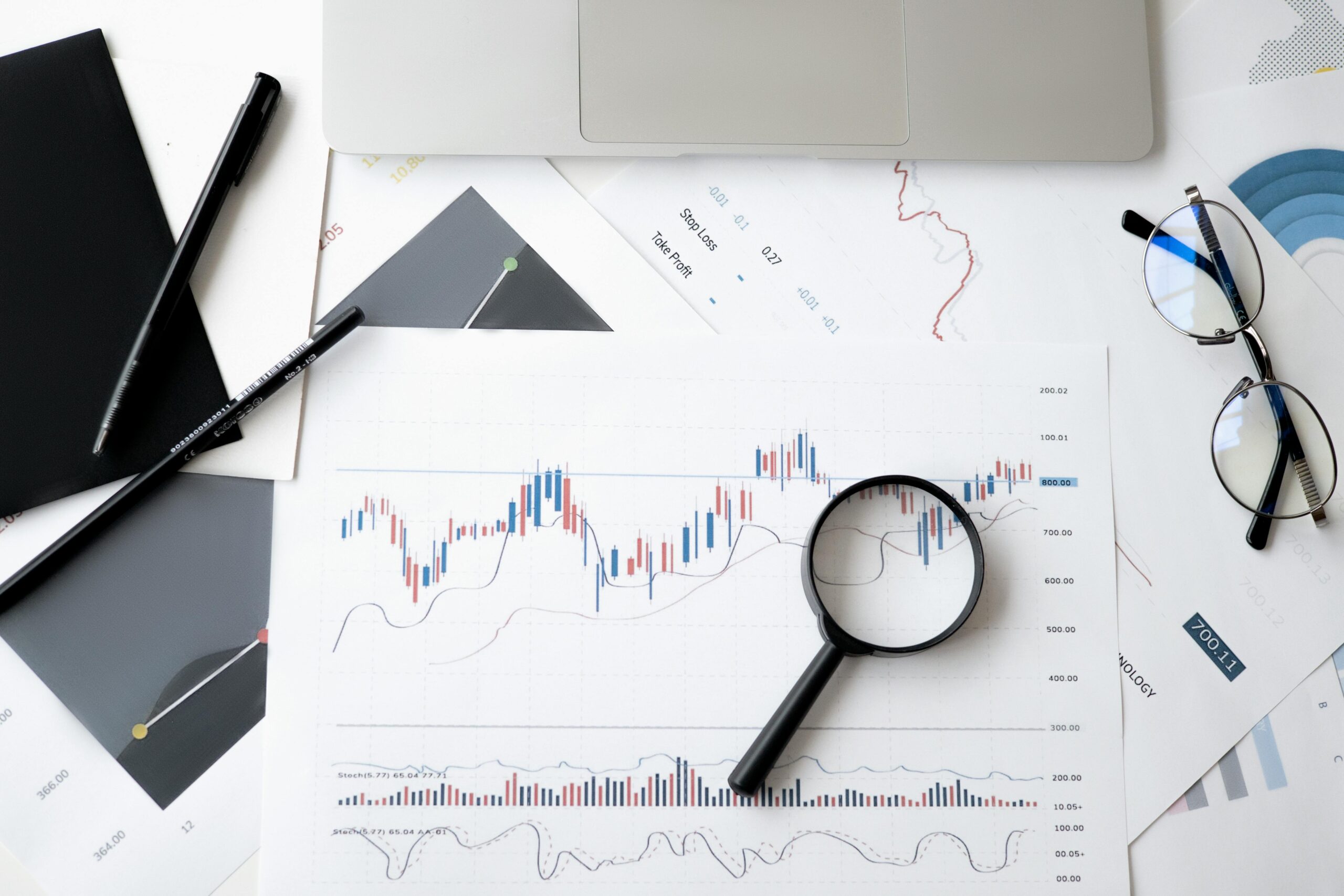
Predictive capabilities will only improve as data sources multiply and analytical tools become more sophisticated. Emerging technologies like quantum computing promise to process vastly more complex models, identifying consumption surge patterns currently beyond detection. Blockchain technologies may enable new forms of supply chain transparency that improve collaborative forecasting across business networks.
Privacy regulations and consumer data concerns will shape how businesses access and use predictive information. The most successful companies will balance predictive power with ethical data practices, building trust that encourages customers to share information in exchange for better service, personalization, and availability.
The businesses that thrive in coming decades will be those that view consumption surge detection not as a tactical capability but as a core strategic competency. Investment in data infrastructure, analytical talent, and organizational agility will increasingly separate market leaders from followers. The early signals are already visible—the question is whether you’re positioned to see them and act decisively when they appear.
Staying ahead of consumption curves requires vigilance, investment, and commitment to continuous learning. The tools and techniques available today provide unprecedented visibility into emerging demand patterns. Success comes not just from deploying these capabilities but from building organizational cultures that value data-driven decision-making, embrace calculated risk-taking, and maintain the operational flexibility to capitalize on opportunities quickly. The consumption surges are coming—the only question is whether you’ll be ready when they arrive.