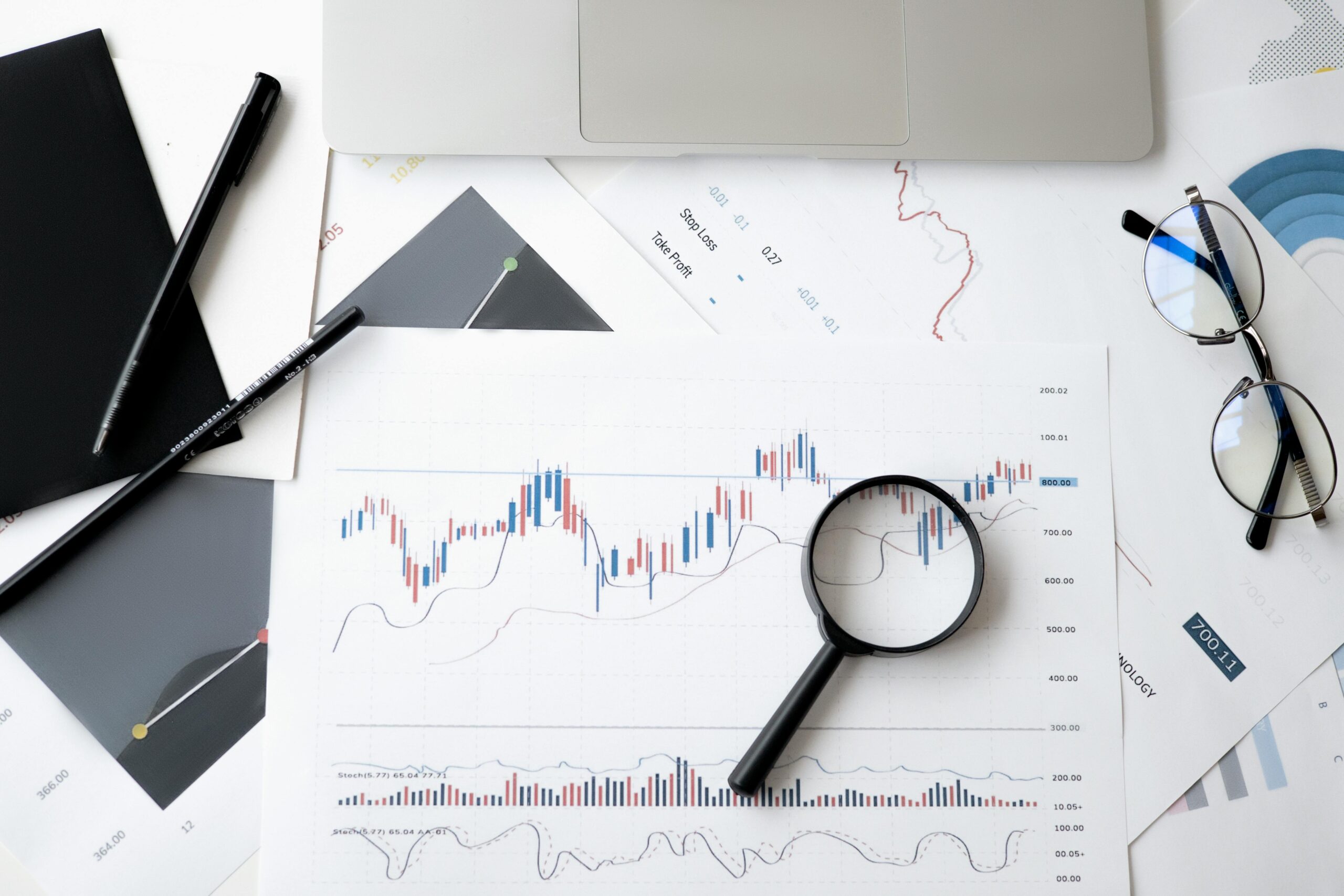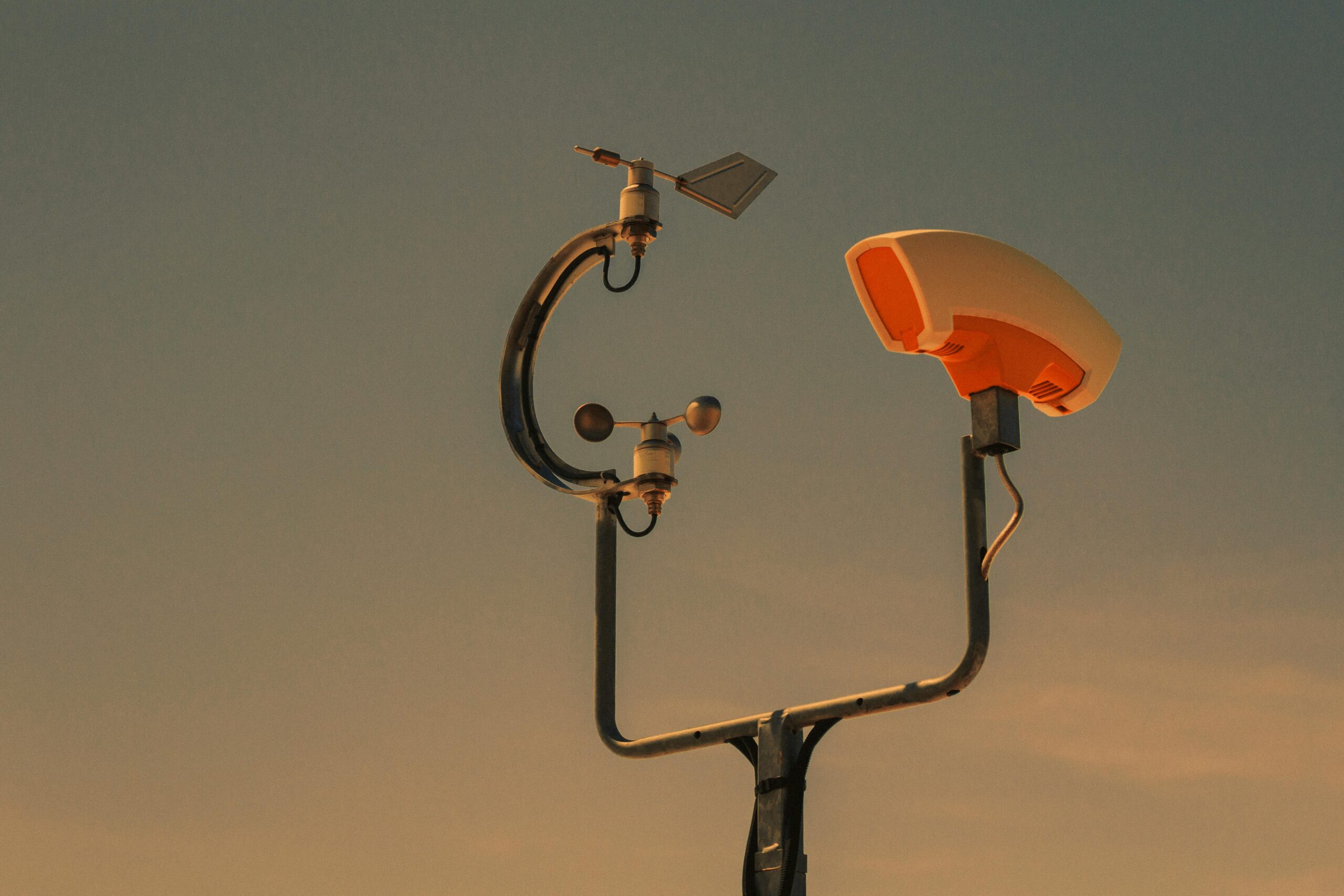
The future of utility management is being reshaped by predictive analytics and advanced forecasting technologies that promise to revolutionize how we consume and conserve resources.

Water and energy utilities worldwide face mounting pressure to deliver reliable services while minimizing waste, reducing costs, and meeting increasingly stringent environmental regulations. Traditional reactive approaches to utility management are no longer sufficient in a world where climate unpredictability, population growth, and infrastructure aging create perfect storms of operational challenges. The answer lies in harnessing cutting-edge event forecasting technologies that transform utilities from reactive service providers into proactive resource stewards.
Event forecasting in utilities represents a paradigm shift from historical data analysis to predictive intelligence that anticipates demand spikes, equipment failures, weather-related disruptions, and consumption patterns before they occur. This transformation is powered by artificial intelligence, machine learning algorithms, Internet of Things (IoT) sensors, and big data analytics that work in concert to create intelligent utility networks capable of self-optimization.
🔮 The Revolution in Predictive Utility Management
Event forecasting technology enables utility providers to anticipate rather than react. By analyzing millions of data points from smart meters, weather stations, historical consumption records, and external factors like economic indicators and social events, modern forecasting systems can predict utility demand with unprecedented accuracy.
For water utilities, this means anticipating drought conditions, predicting pipe bursts based on pressure fluctuations and material fatigue, and forecasting seasonal demand variations with precision measured in hours rather than days. Energy providers gain the ability to predict peak load times, renewable energy generation fluctuations, and grid stress points before they become critical issues.
The economic implications are staggering. Utilities that implement advanced event forecasting report operational cost reductions of 15-30%, improved resource allocation efficiency, and dramatic decreases in emergency response expenses. These savings translate directly to more stable pricing for consumers and increased investment capacity for infrastructure improvements.
💧 Water Management: Forecasting the Flow of Tomorrow
Water scarcity affects over two billion people globally, making intelligent water management not just a business imperative but a humanitarian necessity. Event forecasting technologies are transforming water utilities’ ability to manage this precious resource effectively.
Predictive leak detection systems analyze pressure patterns, flow rates, and acoustic signatures throughout distribution networks to identify potential failures days or weeks before they become visible problems. This proactive approach prevents water loss, infrastructure damage, and service disruptions that traditionally cost utilities millions in emergency repairs and lost revenue.
Smart Sensors and Real-Time Monitoring
Modern water networks are being transformed into intelligent ecosystems through IoT sensor deployment. These devices continuously monitor water quality parameters, pressure levels, flow rates, and system integrity at thousands of points throughout distribution infrastructure.
The data streams from these sensors feed machine learning algorithms that establish baseline performance patterns and immediately flag anomalies that might indicate developing problems. This continuous monitoring creates a digital twin of the physical water network, enabling operators to test scenarios, optimize operations, and predict maintenance needs without disrupting actual service.
Forecasting models integrate weather prediction data to anticipate demand changes associated with temperature fluctuations, rainfall patterns, and seasonal variations. This allows utilities to adjust reservoir levels, pumping schedules, and treatment capacity proactively rather than scrambling to respond to sudden demand spikes or supply constraints.
Drought Prediction and Resource Planning
Climate change has made water supply planning increasingly complex, with traditional historical patterns no longer reliable predictors of future availability. Advanced forecasting systems now incorporate climate models, snowpack measurements, soil moisture data, and long-range weather predictions to project water availability months or even years in advance.
This extended forecasting horizon enables utilities to implement conservation measures gradually, secure alternative supply sources, and communicate transparently with customers about upcoming restrictions well before crisis conditions develop. The result is smoother operational adjustments and greater public cooperation with conservation initiatives.
⚡ Energy Forecasting: Powering the Grid of the Future
The energy sector faces unique forecasting challenges as it transitions from centralized fossil fuel generation to distributed renewable sources with inherent variability. Solar and wind power generation fluctuates with weather conditions, creating supply unpredictability that must be balanced against constantly changing demand.
Event forecasting technologies address this challenge through sophisticated models that predict both generation capacity and consumption patterns simultaneously. These systems integrate weather forecasts, historical generation data, renewable energy production statistics, and consumption patterns to create comprehensive pictures of grid conditions hours or days in advance.
Demand Response and Peak Load Management
Predicting peak demand periods allows utilities to implement demand response programs that incentivize consumers to shift usage to off-peak times. Advanced forecasting identifies not just when peaks will occur but also their magnitude and duration, enabling precise calibration of response programs.
Smart grid technologies coupled with predictive analytics enable automated demand response where IoT-connected devices automatically adjust consumption based on grid conditions and price signals. This creates a self-balancing system that reduces the need for expensive peaker plants and infrastructure upgrades while maintaining reliability.
Energy storage systems benefit tremendously from accurate forecasting. Predictions of renewable generation and demand patterns optimize battery charging and discharging cycles, maximizing storage system value and grid stabilization capabilities. This makes renewable energy integration more practical and economically viable.
Renewable Energy Integration Challenges
The intermittency of renewable energy sources represents one of the most significant technical challenges facing modern grids. Event forecasting technologies specifically designed for renewable energy predict solar irradiance and wind speeds with increasing accuracy, typically achieving prediction horizons of 48-72 hours with useful precision.
These forecasts enable grid operators to schedule conventional generation resources, coordinate energy storage systems, and arrange inter-grid power transfers to compensate for anticipated renewable generation shortfalls. The result is higher renewable penetration rates without sacrificing grid reliability or stability.
🤖 The Technology Stack Powering Event Forecasting
Modern utility event forecasting relies on a sophisticated technology ecosystem that combines multiple components into integrated platforms.
- IoT Sensors and Smart Meters: Generate continuous streams of real-time data about system performance, consumption patterns, and environmental conditions
- Edge Computing: Processes data locally at collection points, enabling rapid response to emerging conditions without cloud latency
- Machine Learning Algorithms: Identify complex patterns in historical data and continuously refine prediction models based on actual outcomes
- Big Data Platforms: Store and process massive datasets from diverse sources, creating comprehensive operational intelligence
- Cloud Infrastructure: Provides scalable computing resources for complex modeling and simulation tasks
- Visualization Tools: Present forecasts and recommendations to operators in intuitive, actionable formats
Artificial Intelligence and Machine Learning
AI and machine learning form the analytical core of modern forecasting systems. These technologies excel at identifying non-linear relationships and subtle patterns that traditional statistical methods miss. Neural networks, random forests, gradient boosting, and ensemble methods each bring unique strengths to different forecasting challenges.
Deep learning approaches show particular promise for time-series forecasting in utility contexts, capturing seasonal patterns, trend changes, and complex interdependencies between variables. These models continuously learn from new data, automatically adapting to changing conditions and improving accuracy over time.
Natural language processing extends forecasting capabilities by incorporating unstructured data sources like weather reports, social media sentiment, news events, and maintenance logs into prediction models. This broader information integration creates more comprehensive and accurate forecasts.
📊 Measuring Success: The Impact of Advanced Forecasting
The value of event forecasting in utilities manifests across multiple dimensions, from operational efficiency to customer satisfaction and environmental impact.
| Metric | Traditional Management | With Event Forecasting | Improvement |
|---|---|---|---|
| Water Loss Rate | 15-25% | 8-12% | 40-60% reduction |
| Emergency Repairs | High frequency | Low frequency | 50-70% reduction |
| Peak Load Accuracy | ±15% | ±3% | 80% improvement |
| Renewable Integration | 20-30% capacity | 40-60% capacity | 100% increase |
| Customer Outage Duration | 2-4 hours average | 0.5-1 hour average | 75% reduction |
Beyond quantitative metrics, utilities implementing advanced forecasting report improved regulatory compliance, enhanced public trust, and greater workforce satisfaction as employees shift from reactive crisis management to proactive system optimization.
🌍 Environmental and Sustainability Benefits
The environmental case for advanced utility forecasting is compelling. By optimizing resource usage, reducing waste, and enabling higher renewable energy integration, these technologies directly support sustainability objectives and climate change mitigation efforts.
Water utilities reduce energy consumption associated with unnecessary pumping, treatment, and distribution of water that ultimately leaks from systems or exceeds actual demand. Energy utilities decrease reliance on fossil fuel peaker plants by better matching supply with demand and maximizing renewable generation utilization.
Predictive maintenance extends infrastructure lifespan, reducing the environmental impact of manufacturing replacement components and the carbon footprint of repair operations. This circular economy approach aligns utility operations with broader sustainability goals.
Carbon Footprint Reduction
Event forecasting enables utilities to minimize their carbon footprints through multiple pathways. Accurate demand prediction reduces the need for spinning reserves and inefficient ramping of conventional generation. Optimized water treatment and distribution decrease energy intensity per unit of water delivered.
The ability to forecast renewable generation with greater accuracy allows higher renewable penetration rates without compromising grid reliability. This directly displaces fossil fuel generation, creating measurable reductions in greenhouse gas emissions attributable to forecasting technology deployment.
🚀 Implementation Strategies for Utility Providers
Utilities considering event forecasting implementation face technical, organizational, and financial considerations that require strategic planning and phased execution approaches.
Successful implementations typically begin with pilot projects focused on specific use cases where forecasting can demonstrate clear value quickly. Common starting points include leak detection for water utilities or demand response optimization for energy providers. These pilots build organizational confidence, develop internal expertise, and create compelling business cases for broader deployment.
Overcoming Implementation Barriers
Legacy infrastructure represents a significant challenge for many utilities seeking to deploy advanced forecasting. Older systems often lack the sensors, communication capabilities, and data integration necessary for sophisticated analytics. Phased modernization strategies that prioritize high-value segments and gradually extend coverage prove most effective.
Data quality and availability issues commonly emerge during implementation. Historical records may be incomplete, inconsistent, or stored in incompatible formats. Establishing robust data governance frameworks and investing in data cleaning and integration infrastructure are essential prerequisites for successful forecasting deployments.
Workforce skills and organizational culture also require attention. Advanced forecasting changes operational workflows and decision-making processes, requiring training programs and change management initiatives that help personnel adapt to new tools and approaches.
🔐 Security and Privacy Considerations
As utilities become more connected and data-driven, cybersecurity and privacy protections become critical concerns. Event forecasting systems access sensitive operational data and control critical infrastructure, making them potential targets for malicious actors.
Robust security architectures incorporating network segmentation, encryption, authentication protocols, and continuous monitoring are essential. Utilities must balance the connectivity required for advanced analytics with the isolation necessary to protect critical systems from cyber threats.
Privacy concerns arise from smart meter data that can reveal detailed information about household activities and occupancy patterns. Utilities implementing forecasting technologies must develop clear privacy policies, implement data anonymization techniques, and establish transparent governance frameworks that protect consumer rights while enabling beneficial analytics.
💡 The Path Forward: Emerging Trends and Future Possibilities
Event forecasting technology continues evolving rapidly, with several emerging trends poised to further transform utility operations. Quantum computing promises to revolutionize complex optimization problems central to utility forecasting, potentially enabling real-time scenario modeling at scales currently impossible.
Blockchain technologies offer possibilities for decentralized energy markets where peer-to-peer transactions and automated smart contracts optimize resource allocation without centralized coordination. Event forecasting integrated with blockchain platforms could enable truly autonomous microgrids that self-optimize based on predicted conditions.
Digital twins—comprehensive virtual replicas of physical utility infrastructure—represent the next frontier in predictive management. These sophisticated models will enable utilities to test unlimited scenarios, optimize designs, and predict system behavior with unprecedented fidelity before implementing changes in the physical world.
Consumer Empowerment Through Forecasting
Future developments will increasingly extend forecasting capabilities directly to consumers through mobile applications and smart home systems. Households will receive personalized predictions about their usage patterns, cost-saving opportunities, and environmental impact, enabling informed decisions about consumption timing and efficiency investments.
This democratization of forecasting creates a virtuous cycle where consumer behavior changes based on predictions feed back into utility forecasting models, creating more accurate system-wide predictions and greater overall efficiency.
🎯 Transforming Vision Into Reality
The transition from traditional utility management to predictive, forecasting-driven operations represents more than a technological upgrade—it constitutes a fundamental reimagining of how we produce, distribute, and consume essential resources. Utilities that embrace this transformation position themselves as sustainability leaders, operational innovators, and customer-centric service providers.
The convergence of artificial intelligence, IoT infrastructure, big data analytics, and domain expertise creates unprecedented opportunities to optimize resource management at scales and with precision previously unimaginable. Early adopters are already demonstrating that advanced event forecasting delivers measurable improvements across operational, financial, environmental, and social dimensions.
As climate change intensifies resource constraints and population growth increases demand pressures, the imperative for intelligent utility management will only grow stronger. Event forecasting technologies provide the tools necessary to navigate these challenges successfully, ensuring reliable service delivery while advancing sustainability objectives.
The future of utilities is predictive, proactive, and powered by cutting-edge forecasting technologies that transform data into foresight and foresight into action. Utilities that invest in these capabilities today are building the resilient, efficient, and sustainable infrastructure that will serve communities for decades to come.