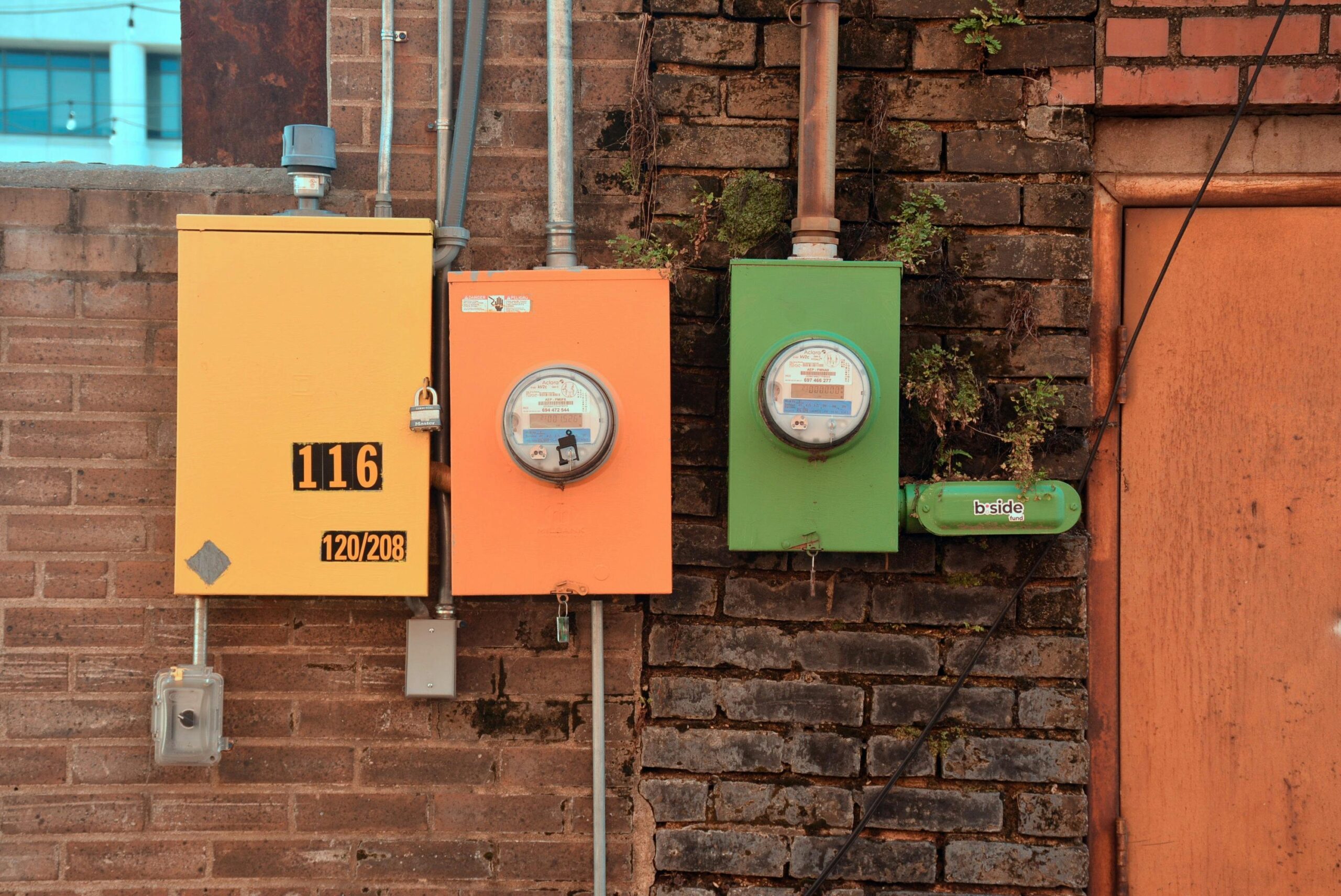
Forecasting isn’t just about predicting the future—it’s about preparing for it. Organizations that master this skill prevent costly outages and eliminate unnecessary waste daily.

🎯 The Critical Role of Forecasting in Modern Operations
In today’s fast-paced business environment, the ability to anticipate demand, resource requirements, and potential disruptions separates industry leaders from those struggling to keep pace. Forecasting has evolved from simple trend analysis into a sophisticated discipline that combines data science, operational expertise, and strategic thinking.
Companies across industries face similar challenges: unexpected equipment failures, inventory shortages, overstaffing during slow periods, and understaffing during peak demand. These issues don’t just inconvenience customers—they drain resources, damage reputations, and erode profit margins. The good news? Many of these problems are preventable through effective forecasting strategies backed by real-world case studies.
Understanding the True Cost of Outages and Waste
Before diving into solutions, it’s essential to grasp what’s actually at stake. Outages and waste represent two sides of the same coin: operational inefficiency.
💰 The Financial Impact of Unplanned Outages
Unplanned outages cost businesses billions annually. A manufacturing plant shut down for just one hour can lose hundreds of thousands of dollars in production value. For digital services, the numbers are even more staggering. Major e-commerce platforms can lose millions per hour when systems go down during peak shopping periods.
Beyond immediate revenue loss, outages damage customer trust and brand reputation. Studies show that 70% of customers who experience a service outage are likely to explore competitor alternatives. The ripple effects extend far beyond the immediate downtime.
♻️ The Hidden Drain of Operational Waste
Waste manifests in numerous forms: excess inventory gathering dust in warehouses, overproduction leading to obsolescence, surplus staff standing idle during slow periods, or energy consumption without corresponding output. Each represents capital tied up without generating value.
Manufacturing operations typically see waste rates between 15-30% without proper forecasting. Retail businesses frequently write off 8-12% of inventory due to poor demand predictions. These aren’t just numbers—they’re opportunities for improvement that forecasting can unlock.
Case Study Spotlight: Energy Sector Transformation
One of the most compelling examples of forecasting excellence comes from the energy sector, where a major utility company faced recurring summer blackouts due to underestimated demand spikes.
⚡ The Challenge
The utility served 2.3 million customers across a region experiencing rapid population growth. Traditional forecasting models based on historical averages failed to account for increasingly extreme weather patterns and changing consumption behaviors. Three consecutive summers saw rotating blackouts affecting thousands of customers, costing the company $47 million in penalties and emergency response measures.
The Forecasting Solution
The company implemented a multi-layered forecasting approach combining weather prediction models, smart meter data analytics, demographic trend analysis, and machine learning algorithms. This system provided 72-hour advance warnings of potential capacity issues with 94% accuracy.
Key implementation elements included:
- Real-time data integration from 800,000 smart meters
- Weather pattern analysis incorporating climate change models
- Behavioral consumption patterns by neighborhood and customer segment
- Automated alert systems triggering preventive load balancing
- Predictive maintenance scheduling for critical infrastructure
📊 Measurable Results
Within two years, the results were transformative. Unplanned outages decreased by 87%. Emergency response costs dropped by $32 million annually. Customer satisfaction scores improved by 34 percentage points. Perhaps most impressively, the company avoided building a new $280 million power plant by optimizing existing capacity through better demand management.
Manufacturing Excellence Through Predictive Analytics
A global automotive parts manufacturer provides another powerful example of forecasting preventing waste while improving operational efficiency.
🏭 The Waste Problem
The company produced specialized components for multiple vehicle models across 23 production lines. Production planning relied on quarterly forecasts from automotive clients, but actual orders often varied significantly. This resulted in overproduction of some components (creating inventory waste) and shortages of others (causing production line stoppages).
The company faced $18 million in annual write-offs for obsolete inventory while simultaneously experiencing $23 million in expedited shipping costs to cover shortfalls. The traditional forecast-to-order cycle took 45 days, leaving little room for adjustment.
Implementing Advanced Forecasting Models
The manufacturer developed a collaborative forecasting system integrating data from multiple sources: client production schedules, economic indicators affecting vehicle sales, raw material lead times, and their own production capacity constraints.
The new system employed scenario planning with confidence intervals, allowing production planners to understand not just predicted demand but the likelihood of various outcomes. This enabled smarter inventory positioning and more flexible production scheduling.
✅ Transformative Outcomes
The results exceeded expectations. Obsolete inventory write-offs decreased by 73% in the first year. Expedited shipping costs fell by 61%. Overall inventory levels dropped by 28% while product availability improved by 19%. The forecast accuracy improved from 67% to 89%, and the forecast-to-order cycle compressed from 45 days to just 12 days.
Retail Revolution: Demand Forecasting Preventing Stockouts and Overstock
A national retail chain with 450 stores transformed their operations through sophisticated demand forecasting, addressing both outages (stockouts) and waste (overstock) simultaneously.
🛒 The Retail Balancing Act
Retailers face unique forecasting challenges: seasonal variations, promotional impacts, local market differences, trend volatility, and perishability concerns. This retailer experienced stockout rates of 12% on high-demand items while carrying 40% excess inventory on slow-moving products.
The financial impact was substantial: lost sales from stockouts totaled approximately $89 million annually, while markdowns on excess inventory cost another $56 million. Customer satisfaction suffered as shoppers couldn’t reliably find desired products.
Building a Granular Forecasting System
The solution involved store-level, category-specific forecasting that accounted for local demographics, weather patterns, promotional calendars, competitor activities, and even local events. Machine learning models analyzed three years of transaction data to identify patterns human planners might miss.
The system generated daily forecasts for 45,000 SKUs across 450 locations—over 20 million individual predictions updated continuously based on emerging trends. Automated replenishment recommendations flowed directly to distribution centers, reducing manual intervention by 78%.
📈 Business Impact
Within 18 months, stockout rates fell from 12% to 3.2%. Excess inventory decreased by 35%. Markdown expenses dropped by $34 million annually. Perhaps most significantly, sales increased by 8% despite no store expansion, attributable primarily to improved product availability. The forecasting system paid for itself in just seven months.
Technology Infrastructure: Preventing Digital Outages
A cloud services provider demonstrates how forecasting prevents outages in the digital realm, where seconds of downtime can cascade into major customer impact.
☁️ The Capacity Planning Challenge
As customer workloads grew increasingly unpredictable—with viral content, flash sales, and global events creating sudden traffic spikes—the provider struggled with capacity planning. Over-provisioning wasted resources and increased costs. Under-provisioning risked service degradation or outages.
The company experienced six significant service disruptions in one year, each lasting 20-90 minutes. Customer churn following these incidents cost an estimated $12 million in annual recurring revenue. Emergency capacity additions cost $8 million beyond planned infrastructure spending.
Predictive Infrastructure Management
The solution involved real-time resource utilization monitoring across thousands of servers, combined with predictive models forecasting capacity needs 30, 60, and 90 days ahead. The system incorporated customer growth patterns, seasonal traffic variations, and announced product launches that might spike demand.
Advanced anomaly detection identified unusual patterns that might indicate approaching capacity constraints or performance degradation. Automated scaling policies triggered capacity additions before thresholds were breached, while forecasting guided longer-term infrastructure investments.
🚀 Performance Improvements
Major outages dropped to zero over the following year. Minor service degradations decreased by 92%. Infrastructure utilization improved from 61% to 78%, extracting more value from existing assets. Customer retention improved by 6 percentage points, and the Net Promoter Score increased by 23 points. Emergency capacity costs were virtually eliminated.
Key Elements of Successful Forecasting Systems
Examining these case studies reveals common elements that separate effective forecasting from superficial attempts:
🔍 Data Quality and Integration
Successful forecasting systems draw from multiple data sources, not just historical sales or usage patterns. Weather data, economic indicators, competitive intelligence, customer sentiment, and operational constraints all inform better predictions. Data quality matters more than data quantity—garbage in always means garbage out.
Human Expertise Plus Machine Intelligence
The most effective approaches combine algorithmic predictions with human judgment. Algorithms excel at identifying patterns in vast datasets, but experienced professionals understand context, recognize exceptions, and make judgment calls about unprecedented situations. Neither alone achieves optimal results.
⏱️ Continuous Refinement
Forecasting isn’t a one-time implementation project. The best systems continuously learn, adjusting models based on forecast accuracy, changing conditions, and new data sources. Regular accuracy audits identify where models perform well and where improvements are needed.
Actionable Outputs
Forecasts must translate into clear operational decisions. Vague predictions of “increased demand” help less than specific recommendations like “add production capacity for SKU #47821 by Thursday” or “schedule additional customer service staff for Saturday afternoon.” The value lies in enabling better decisions, not just generating predictions.
Implementation Roadmap: From Insight to Action
Organizations seeking similar results can follow a structured approach to forecasting excellence:
Assessment Phase
Begin by identifying where outages and waste currently impact your operations. Quantify the costs in concrete terms—lost revenue, wasted resources, customer churn, emergency expenses. This baseline establishes what success looks like and justifies investment in better forecasting.
Data Infrastructure Development
Evaluate existing data sources and identify gaps. Implement systems to capture relevant data consistently. This might involve sensor installations, system integrations, or process changes ensuring data quality. Clean, accessible data forms the foundation everything else builds upon.
🛠️ Model Development and Testing
Start with simpler models that address the highest-impact problems. Test predictions against historical data to validate accuracy before relying on them for operational decisions. Gradually increase sophistication as you build confidence and capability.
Operational Integration
Connect forecasting outputs to operational systems and decision processes. Train teams on interpreting and acting on forecasts. Establish feedback loops so forecast users can report accuracy issues and suggest improvements.
📉 Measurement and Optimization
Track key metrics: forecast accuracy, outage frequency and duration, waste levels, customer satisfaction, and financial impact. Regular reviews identify what’s working and where adjustments are needed. Celebrate wins and learn from misses.
Overcoming Common Implementation Challenges
Even with clear benefits, organizations frequently encounter obstacles when implementing advanced forecasting:
Organizational Resistance
People comfortable with existing processes may resist change, especially if it seems to threaten their expertise or judgment. Address this through inclusive implementation that values human insights alongside algorithmic predictions. Demonstrate quick wins that make everyone’s work easier and more effective.
💡 Data Silos and Integration Complexity
Different departments often maintain separate systems that don’t communicate effectively. Breaking down these silos requires executive sponsorship, cross-functional collaboration, and sometimes significant technical work. The payoff justifies the effort, but realistic timelines and resource commitments are essential.
Skill Gaps
Advanced forecasting requires capabilities many organizations lack internally—data science, statistical modeling, system integration. Building these capabilities through hiring, training, or partnerships represents an investment that pays ongoing dividends across multiple business areas.
The Future of Forecasting: Emerging Trends
Forecasting capabilities continue advancing rapidly, with several trends pointing toward even greater potential:
🤖 AI and Machine Learning Maturation
Artificial intelligence systems are becoming more accessible, accurate, and explainable. Organizations no longer need massive data science teams to leverage sophisticated predictive models. Cloud-based AI services democratize capabilities once available only to tech giants.
Real-Time Everything
As sensors proliferate and computing power grows, forecasting increasingly happens in real-time rather than batch processes. This enables minute-by-minute adjustments rather than daily or weekly reforecasting cycles, catching problems earlier and optimizing more continuously.
Collaborative Ecosystems
The most advanced forecasting approaches share data across organizational boundaries—suppliers, customers, and even competitors in some contexts. This ecosystem view provides earlier signals of changing conditions and enables coordinated responses that benefit all participants.

Maximizing Your Forecasting Investment
The case studies examined demonstrate that effective forecasting delivers measurable returns: fewer outages, less waste, happier customers, and stronger financial performance. Organizations achieving these results share common characteristics: they treat forecasting as a strategic capability rather than a technical project, they integrate predictions into operational decision-making, and they continuously refine their approaches based on results.
The path from forecasting insights to operational excellence isn’t always straightforward, but the destination justifies the journey. Whether preventing blackouts, eliminating obsolete inventory, avoiding stockouts, or maintaining digital service reliability, better forecasting unlocks efficiency that compounds over time.
Companies that master this discipline don’t just respond to the future—they shape it. They allocate resources more effectively, serve customers more reliably, and compete more successfully. In an era where margins tighten and customer expectations rise, these advantages increasingly separate market leaders from the rest.
The question isn’t whether forecasting matters—the evidence overwhelmingly demonstrates it does. The question is whether your organization will harness its potential before competitors do, turning the insights hidden in your data into the operational excellence that defines industry leadership. The tools, techniques, and proven approaches exist. The opportunity awaits those ready to seize it.