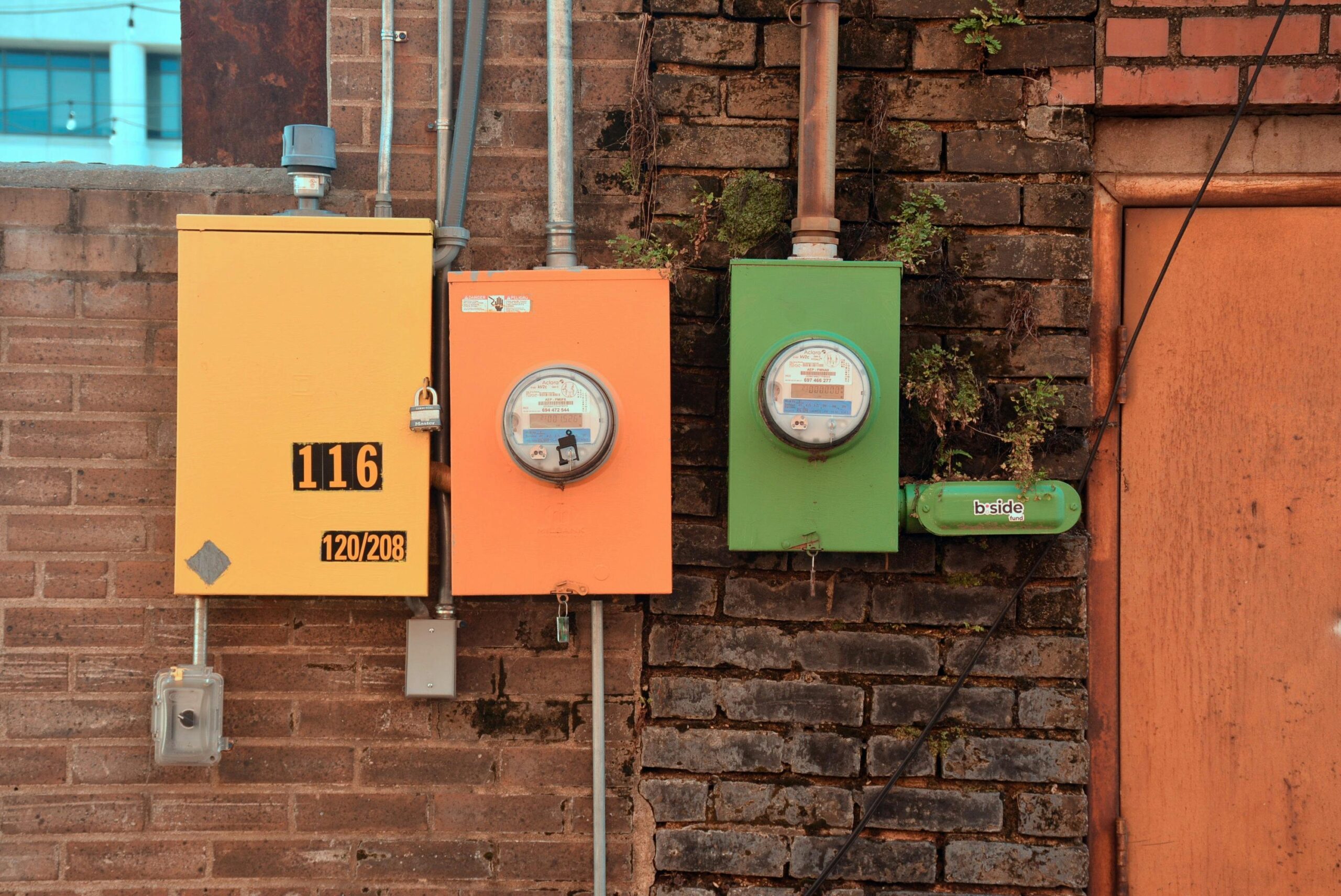
Managing electricity costs effectively requires strategic approaches to power consumption. Peak shaving and valley filling represent powerful techniques that businesses and homeowners can leverage to significantly reduce energy expenses while supporting grid stability.

⚡ Understanding the Fundamentals of Peak Shaving and Valley Filling
Peak shaving and valley filling are complementary energy management strategies designed to optimize electricity usage patterns. These approaches focus on redistributing power consumption away from high-demand periods toward times when electricity is more abundant and affordable.
Peak shaving involves reducing electricity consumption during peak demand hours when utility rates are highest. This strategy helps avoid expensive demand charges and reduces strain on the electrical grid. Valley filling, conversely, encourages increased energy usage during off-peak hours when electricity prices drop significantly and grid capacity exceeds demand.
Together, these strategies create a more balanced load profile that benefits both consumers and utility providers. By flattening the demand curve, businesses can achieve substantial cost savings while contributing to a more stable and efficient power distribution system.
💰 The Financial Impact of Time-of-Use Energy Pricing
Most commercial and industrial electricity consumers face time-of-use (TOU) pricing structures where rates fluctuate based on demand periods. Understanding these pricing mechanisms is essential for implementing effective energy optimization strategies.
Utility companies typically divide the day into three rate periods: peak, shoulder, and off-peak hours. Peak periods generally occur during business hours when commercial activity reaches its zenith, typically between 9 AM and 9 PM on weekdays. During these windows, electricity rates can surge to two or three times the off-peak price.
Demand charges add another layer of complexity to electricity bills. Many utilities impose fees based on the highest power consumption level recorded during any 15-minute interval within the billing cycle. A single spike in usage can dramatically increase costs for the entire month, making peak shaving particularly valuable for managing these charges.
Breaking Down Your Electricity Bill Components
To maximize savings through peak shaving and valley filling, you need to understand the various components of your electricity bill:
- Energy charges: Based on total kilowatt-hours (kWh) consumed, often varying by time of day
- Demand charges: Fees calculated on your highest recorded power demand (kW) during peak periods
- Capacity charges: Fixed costs for maintaining grid infrastructure and generation capacity
- Transmission and distribution fees: Charges for delivering electricity through the grid
- Taxes and surcharges: Additional governmental and regulatory fees
🔋 Essential Technologies for Energy Optimization
Implementing successful peak shaving and valley filling strategies requires the right technological infrastructure. Modern energy management systems combine hardware and software solutions to monitor, analyze, and control power consumption patterns effectively.
Battery Energy Storage Systems (BESS)
Battery storage represents the cornerstone technology for peak shaving and valley filling. These systems charge during low-cost off-peak hours and discharge during expensive peak periods, effectively shifting energy consumption across time without reducing operational capacity.
Lithium-ion batteries have become the preferred choice for commercial and residential energy storage due to their high efficiency, declining costs, and extended lifespan. Modern battery systems can cycle thousands of times while maintaining performance, making them economically viable for long-term energy management.
The return on investment for battery storage continues improving as technology advances and electricity rate differentials widen. Many businesses recoup their initial investment within three to seven years through demand charge reduction and energy arbitrage opportunities.
Smart Energy Management Systems
Sophisticated software platforms monitor real-time energy consumption, predict demand patterns, and automatically adjust power usage to minimize costs. These systems integrate with building management systems, HVAC controls, lighting networks, and industrial equipment to orchestrate comprehensive energy optimization.
Machine learning algorithms analyze historical consumption data alongside weather forecasts, production schedules, and occupancy patterns to anticipate future energy needs. This predictive capability enables proactive adjustments before peak periods occur, maximizing cost avoidance.
Load Management and Control Equipment
Automated load control devices enable rapid response to changing grid conditions and pricing signals. Smart thermostats, demand-controlled ventilation systems, variable frequency drives, and programmable logic controllers can automatically reduce non-essential loads during peak periods without compromising critical operations.
📊 Practical Implementation Strategies for Businesses
Successfully implementing peak shaving and valley filling requires a systematic approach tailored to your specific energy profile and operational requirements. The following strategies provide a roadmap for achieving maximum energy efficiency and cost savings.
Conducting a Comprehensive Energy Audit
Begin by thoroughly analyzing your current energy consumption patterns. Install sub-metering equipment to identify which systems, processes, or areas consume the most power during peak periods. This granular data reveals opportunities for targeted optimization.
Review at least twelve months of utility bills to understand seasonal variations, identify your coincident peak demand, and calculate potential savings from different optimization strategies. Look for patterns that indicate inefficient equipment operation or opportunities to shift flexible loads to off-peak hours.
Prioritizing Load Shifting Opportunities
Identify energy-intensive processes that offer scheduling flexibility. Manufacturing operations often can shift certain production runs to overnight hours. Commercial buildings can pre-cool spaces before peak periods arrive or delay non-critical tasks until rates drop.
Common candidates for load shifting include:
- HVAC pre-cooling or pre-heating during off-peak hours
- Battery charging for electric vehicle fleets and material handling equipment
- Water heating and thermal storage systems
- Industrial processes like mixing, grinding, and batch production
- Commercial laundry, dishwashing, and sanitation equipment
- Data backup operations and server maintenance tasks
- Irrigation and pumping systems
Implementing Automated Demand Response
Automated demand response programs allow utilities to send signals directly to your energy management system, requesting voluntary load reductions during grid stress events. Participants typically receive financial incentives while contributing to grid stability.
Modern demand response platforms can automatically curtail pre-approved loads without manual intervention, ensuring your participation doesn’t disrupt critical operations. These systems often integrate seamlessly with existing building automation infrastructure.
🏠 Residential Applications and Benefits
While peak shaving and valley filling offer obvious advantages for commercial operations, residential consumers can also achieve meaningful savings through strategic energy management.
Home Energy Storage Solutions
Residential battery systems paired with solar panels enable homeowners to store excess solar generation for use during evening peak periods. Even without solar, batteries charged overnight can power homes during expensive afternoon and evening hours.
Smart home energy management systems can automatically control major appliances, HVAC systems, pool pumps, and electric vehicle charging based on time-of-use rates. Many systems learn household patterns and optimize automatically with minimal user intervention.
Simple Behavioral Changes with Significant Impact
Residential consumers can implement effective peak shaving strategies through conscious scheduling adjustments. Running dishwashers, washing machines, and dryers during off-peak hours typically requires only minor lifestyle adaptations while delivering noticeable bill reductions.
Pre-cooling homes during afternoon hours before peak rates activate can maintain comfort while avoiding expensive evening electricity. Smart thermostats automate this process by learning optimal pre-conditioning schedules that minimize costs without sacrificing comfort.
🌐 Grid-Interactive Efficient Buildings
The concept of grid-interactive efficient buildings (GEBs) represents the evolution of energy optimization strategies. These structures don’t merely reduce consumption—they actively participate in grid management through flexible, responsive energy usage.
GEBs combine energy efficiency measures, on-site generation, energy storage, and advanced controls to provide grid services while maintaining occupant comfort and operational requirements. This bidirectional relationship between buildings and the grid creates value for building owners and utility operators alike.
Virtual Power Plant Participation
Aggregated building energy resources can function as virtual power plants, providing dispatchable capacity to utilities during critical periods. Building owners receive compensation for making their flexible loads and storage capacity available to grid operators, creating additional revenue streams beyond direct energy cost savings.
📈 Measuring and Verifying Performance Results
Quantifying the benefits of peak shaving and valley filling requires robust measurement and verification protocols. Establishing baseline consumption patterns before implementation allows accurate assessment of achieved savings.
Key performance indicators should include:
- Peak demand reduction percentage and absolute kW savings
- Demand charge cost avoidance per billing period
- Energy cost savings from load shifting and arbitrage
- Load factor improvement (ratio of average to peak demand)
- Battery system efficiency and cycle performance
- Return on investment timeline and payback period
Monthly reporting should track these metrics against baseline performance, weather normalization factors, and operational changes that might affect energy consumption. Many energy management platforms provide automated reporting dashboards that visualize performance trends over time.
⚠️ Overcoming Common Implementation Challenges
While the benefits of peak shaving and valley filling are substantial, organizations often encounter obstacles during implementation. Anticipating these challenges enables proactive solutions that keep projects on track.
Capital Investment Requirements
Battery storage and control systems represent significant upfront investments that may strain capital budgets. However, numerous financing options can eliminate or reduce initial cash outlays. Energy-as-a-service models, power purchase agreements, and specialized energy efficiency financing programs allow organizations to implement solutions with payments structured around realized savings.
Technical Integration Complexity
Integrating energy management systems with existing building automation and industrial control infrastructure can present technical challenges. Working with experienced energy management specialists and system integrators ensures proper configuration and optimal performance from day one.
Operational Coordination
Successful load shifting requires coordination across multiple departments and stakeholders. Production managers, facilities teams, and finance departments must collaborate to identify acceptable operational modifications. Clear communication about goals, constraints, and expected outcomes facilitates smooth implementation and ongoing optimization.
🔮 Future Trends Shaping Energy Optimization
The landscape of energy management continues evolving rapidly as technology advances and grid modernization accelerates. Several emerging trends promise to enhance the effectiveness and accessibility of peak shaving and valley filling strategies.
Artificial Intelligence and Predictive Optimization
Next-generation energy management systems leverage artificial intelligence to predict consumption patterns with unprecedented accuracy. These systems continuously learn from building behavior, weather patterns, utility pricing signals, and grid conditions to optimize energy decisions in real-time.
AI-powered platforms can anticipate peak periods before they occur, automatically pre-condition spaces, and orchestrate complex sequences of load adjustments that human operators would struggle to manage manually. This autonomous operation maximizes savings while minimizing the management burden on facility staff.
Vehicle-to-Grid Integration
Electric vehicles represent massive mobile battery capacity that can support building energy management. Bidirectional charging technology enables EVs to discharge power back to buildings during peak periods, effectively serving as supplemental energy storage. As EV adoption accelerates, this capability will significantly enhance peak shaving potential.
Dynamic Electricity Pricing
Some utilities are transitioning from fixed time-of-use rates to dynamic pricing that reflects real-time grid conditions and wholesale electricity costs. These programs create enhanced arbitrage opportunities for sophisticated energy management systems that can respond to constantly changing price signals.

💡 Maximizing Your Energy Management Investment
Peak shaving and valley filling represent proven strategies for reducing energy costs while supporting grid stability and sustainability goals. Organizations that implement comprehensive energy management programs typically achieve 15-40% reductions in electricity expenses, with payback periods often under five years.
Success requires more than technology deployment—it demands ongoing attention to performance optimization, regular system tuning, and continuous improvement. Energy consumption patterns change over time as operations evolve, making periodic reassessment essential for maintaining maximum savings.
Start by understanding your current energy profile through detailed analysis of utility bills and consumption patterns. Identify the low-hanging fruit—simple load shifting opportunities that require minimal investment but deliver meaningful savings. Build from these quick wins toward more sophisticated solutions like battery storage and automated demand response as you gain experience and demonstrate value.
The transition to optimized energy management doesn’t happen overnight, but each step forward reduces costs, improves operational efficiency, and contributes to a more sustainable energy future. By strategically managing when you use electricity rather than simply how much you consume, you unlock substantial financial benefits while supporting the broader evolution toward a smarter, cleaner electrical grid.