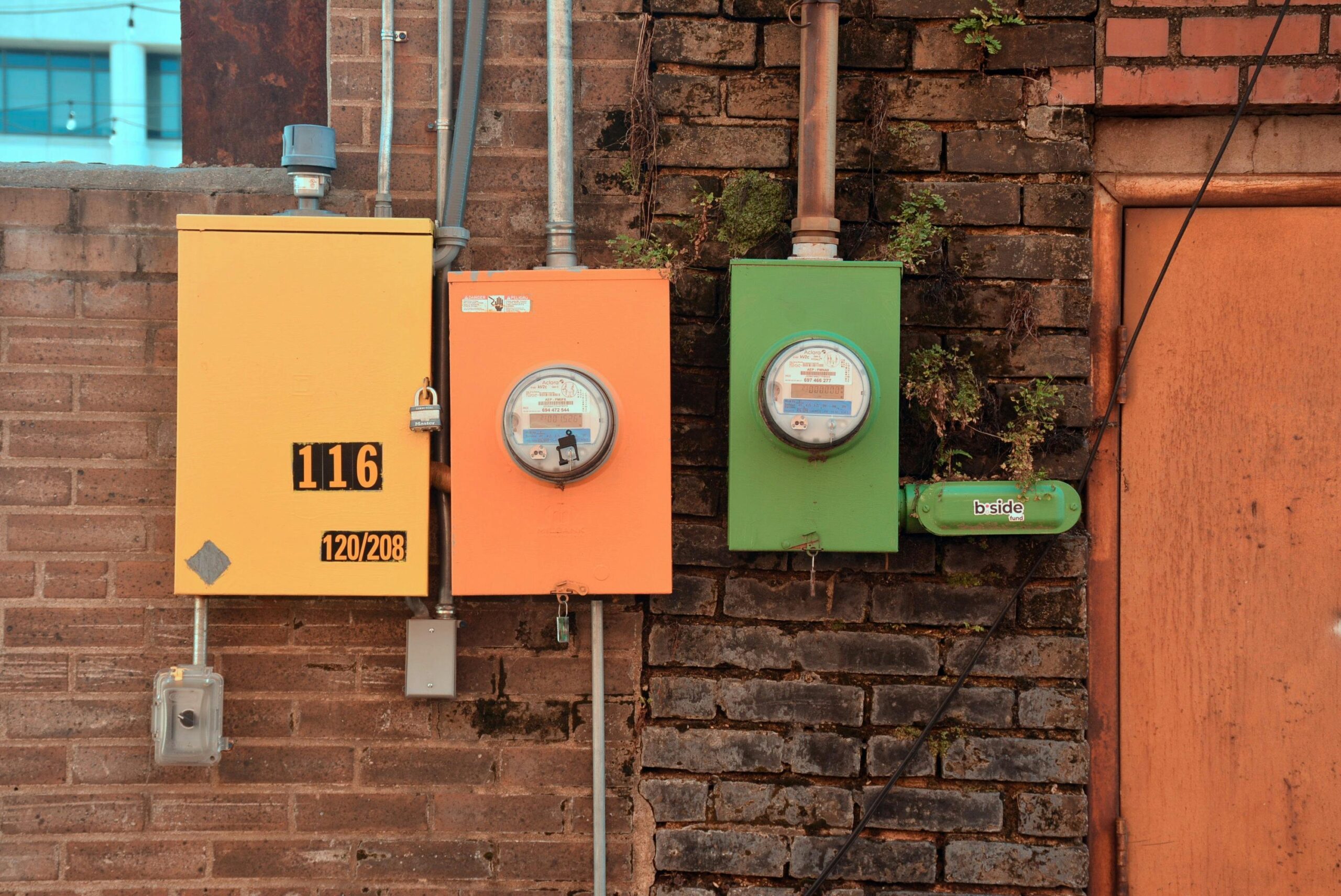
The modern electrical grid faces unprecedented challenges as energy demands grow and renewable sources become mainstream. Load balancing emerges as the cornerstone technology enabling efficient, reliable, and sustainable power distribution across smart grids and microgrids.

⚡ Understanding the Fundamentals of Load Balancing in Modern Power Systems
Load balancing in electrical systems refers to the strategic distribution of power consumption across multiple energy sources and transmission lines to optimize performance, prevent overloads, and maintain system stability. In traditional grids, this process was relatively straightforward, with centralized power plants generating electricity that flowed in one direction to consumers. However, the evolution toward smart grids and microgrids has transformed this paradigm entirely.
Smart grids represent the next generation of electrical infrastructure, incorporating digital communication technology, automated control systems, and real-time monitoring capabilities. These sophisticated networks can dynamically respond to changing conditions, integrating diverse energy sources while maintaining optimal performance. Load balancing within these systems becomes exponentially more complex yet infinitely more powerful.
Microgrids, on the other hand, are localized energy systems that can operate independently or in conjunction with the main grid. They typically serve specific geographical areas such as university campuses, military bases, industrial complexes, or residential communities. The ability to balance loads effectively within microgrids determines their viability as sustainable energy solutions.
🔋 The Critical Importance of Energy Distribution Efficiency
Efficient energy distribution directly impacts economic costs, environmental sustainability, and system reliability. When power loads are properly balanced, transmission losses decrease significantly, reducing wasted energy and associated costs. Studies indicate that optimized load balancing can reduce transmission losses by up to 30% in well-designed smart grid implementations.
The environmental implications are equally significant. Better load balancing means more efficient use of existing generation capacity, potentially reducing the need for additional power plants. This efficiency translates directly into lower carbon emissions and reduced environmental impact. As nations worldwide commit to carbon neutrality targets, optimized energy distribution becomes not just desirable but essential.
System reliability represents another critical factor. Unbalanced loads create stress points within electrical networks, increasing the risk of cascading failures and blackouts. The 2003 Northeast Blackout in the United States, which affected 50 million people, partially resulted from inadequate load management and system monitoring. Modern load balancing technologies provide safeguards against such catastrophic failures.
Economic Benefits That Transform Bottom Lines
The financial advantages of efficient load balancing extend beyond reduced transmission losses. Utilities can defer expensive infrastructure upgrades by maximizing existing capacity through intelligent load distribution. Commercial and industrial consumers benefit from lower electricity costs through demand response programs that incentivize flexible consumption patterns.
Peak demand charges represent significant expenses for many businesses. Load balancing strategies enable organizations to shift consumption away from peak periods, dramatically reducing these charges. Some enterprises report savings of 20-40% on electricity bills after implementing comprehensive load management systems.
🌐 Technical Mechanisms Behind Smart Grid Load Balancing
Modern load balancing relies on sophisticated algorithms and real-time data analytics. Advanced Metering Infrastructure (AMI) provides granular consumption data from millions of smart meters, creating a detailed picture of demand patterns across the network. This information feeds into control systems that continuously optimize power flow.
Predictive analytics play an increasingly important role in proactive load management. Machine learning algorithms analyze historical data, weather patterns, economic indicators, and other factors to forecast demand with remarkable accuracy. This foresight enables grid operators to position resources strategically before demand spikes occur.
The integration of distributed energy resources (DERs) adds both complexity and capability to load balancing operations. Solar panels, wind turbines, battery storage systems, and electric vehicles all function as potential sources or sinks for electrical energy. Coordinating these diverse resources requires sophisticated orchestration systems that can respond to changing conditions in milliseconds.
Communication Protocols That Enable Real-Time Coordination
Effective load balancing depends on robust communication infrastructure connecting all system components. Various protocols facilitate this coordination, including DNP3, IEC 61850, and emerging standards like IEEE 2030.5. These protocols enable secure, reliable data exchange between generation sources, transmission equipment, distribution systems, and end-use devices.
Cybersecurity considerations are paramount in these networked systems. Load balancing infrastructure represents critical infrastructure that requires protection against cyber threats. Multi-layered security approaches including encryption, authentication, intrusion detection, and physical security measures safeguard system integrity.
🏘️ Microgrids: Localized Load Balancing Excellence
Microgrids demonstrate load balancing principles on a manageable scale, offering valuable insights applicable to larger systems. These localized networks typically incorporate diverse generation sources including solar arrays, wind turbines, combined heat and power systems, and energy storage. Balancing these resources against local demand requires sophisticated control strategies.
Island mode operation presents unique load balancing challenges. When a microgrid disconnects from the main grid, it must immediately balance generation and consumption using only local resources. This capability requires rapid response systems and adequate reserve capacity. Successful islanding depends on accurate load prediction and flexible generation resources.
Energy storage systems serve as critical balancing tools within microgrids. Battery systems can absorb excess generation during periods of low demand and discharge during high-demand periods, smoothing out fluctuations and maintaining system stability. The declining costs of battery technology make storage increasingly viable for microgrid applications.
Practical Implementation Considerations
Deploying effective load balancing in microgrids requires careful planning and component selection. Key considerations include:
- Generation capacity sizing to meet peak demands with appropriate reserves
- Energy storage capacity sufficient to bridge generation gaps and absorb surpluses
- Control system sophistication matching operational complexity
- Communication infrastructure reliability under all operating conditions
- Load prioritization schemes for demand response during constraints
- Integration capabilities with the main grid for seamless transitions
📊 Data-Driven Decision Making in Load Management
The proliferation of sensors and smart meters generates enormous data volumes that inform load balancing decisions. Advanced analytics platforms process this information to identify patterns, anomalies, and optimization opportunities. Real-time dashboards provide operators with actionable insights for immediate response and long-term planning.
Digital twins represent an emerging technology revolutionizing grid management. These virtual replicas of physical systems enable operators to simulate various scenarios, testing load balancing strategies without risking actual infrastructure. The insights gained improve decision-making and system design.
Artificial intelligence and machine learning enhance load balancing capabilities through pattern recognition and predictive modeling. These technologies identify subtle correlations between variables that human operators might miss, enabling more nuanced control strategies. Neural networks can predict consumption patterns with increasing accuracy as they process more data.
🔌 Demand Response: Engaging Consumers in Load Balancing
Traditional load balancing focused exclusively on the supply side, adjusting generation to meet demand. Smart grids enable demand response programs that engage consumers as active participants in load management. These programs incentivize customers to reduce or shift consumption during peak periods, effectively balancing loads through voluntary cooperation.
Automated demand response takes this concept further by allowing grid operators to directly control certain customer devices during critical periods. Smart thermostats, water heaters, and EV chargers can automatically reduce consumption when signaled, providing rapid response capacity. Customer comfort and preferences remain paramount, with opt-out options preserving individual choice.
Time-of-use pricing structures align consumer incentives with grid needs. By charging higher rates during peak periods and lower rates during off-peak times, utilities encourage load shifting without direct control. This market-based approach respects customer autonomy while achieving load balancing objectives.
🌞 Renewable Integration Challenges and Solutions
Variable renewable energy sources like solar and wind introduce significant load balancing challenges. Their generation output fluctuates based on weather conditions, creating mismatches between production and demand. Effective integration requires sophisticated forecasting, flexible backup resources, and adequate storage capacity.
Geographic diversity helps mitigate renewable variability. When solar and wind facilities are distributed across wide areas, weather-related fluctuations at one location often offset by conditions elsewhere. Smart grids can aggregate these distributed resources, creating a more stable combined output profile.
Hybrid renewable systems combining solar and wind with dispatchable resources like natural gas or hydroelectric power provide balanced generation portfolios. The dispatchable resources compensate for renewable variability, maintaining system stability while maximizing clean energy utilization. Battery storage increasingly fills this balancing role as costs decline.
⚙️ Advanced Technologies Shaping the Future
Blockchain technology presents intriguing possibilities for decentralized energy trading and load balancing. Peer-to-peer energy transactions could enable households with excess solar generation to sell directly to neighbors, creating localized balancing mechanisms. Smart contracts would automate transactions based on predefined conditions, requiring minimal human intervention.
Edge computing brings processing power closer to data sources, enabling faster response times for load balancing operations. Rather than transmitting all data to centralized servers for analysis, edge devices can make immediate local decisions while reporting summary information upstream. This distributed intelligence improves system resilience and responsiveness.
Quantum computing may eventually revolutionize grid optimization by solving complex load balancing problems exponentially faster than classical computers. While practical quantum applications remain years away, researchers are already exploring algorithms for power system optimization that could transform grid management.
🌍 Global Perspectives on Smart Grid Development
Different regions adopt varying approaches to smart grid implementation based on their unique circumstances. European nations emphasize renewable integration and cross-border energy trading, requiring sophisticated international load balancing coordination. China focuses on massive scale deployment, installing hundreds of millions of smart meters and building extensive transmission networks.
Developing nations often leapfrog traditional grid infrastructure, implementing microgrids and distributed generation from the outset. These systems prioritize reliability and renewable integration, with load balancing designed around local resources rather than centralized generation. This approach proves particularly effective in rural areas lacking existing electrical infrastructure.
Island nations face distinctive load balancing challenges due to isolation from continental grids. They cannot import power during shortages or export surpluses, requiring self-sufficient balancing capabilities. These constraints drive innovation in energy storage, demand response, and renewable integration that benefits the broader industry.
💡 Overcoming Implementation Barriers
Despite clear benefits, smart grid adoption faces various obstacles. High upfront costs deter some utilities, particularly in regions with regulated rates that limit cost recovery options. Demonstrating long-term value requires sophisticated cost-benefit analyses that account for all system impacts including deferred infrastructure investments and improved reliability.
Regulatory frameworks often lag technological capabilities, creating uncertainty that slows deployment. Policymakers must balance innovation encouragement with consumer protection and system reliability. Forward-thinking regulations that accommodate new technologies while maintaining appropriate oversight facilitate smart grid development.
Workforce development represents another critical challenge. Operating and maintaining sophisticated smart grid systems requires new skillsets combining traditional electrical engineering with information technology, data science, and cybersecurity expertise. Training programs must evolve to prepare the next generation of grid professionals.
🚀 The Road Ahead: Emerging Trends and Opportunities
Electric vehicle proliferation will dramatically impact load balancing requirements and capabilities. Millions of EVs represent enormous flexible loads that can charge during off-peak periods, providing valuable load balancing services. Vehicle-to-grid technology enables EVs to discharge stored energy back to the grid during peak periods, effectively functioning as distributed battery storage.
Building energy management systems increasingly integrate with grid operations, coordinating HVAC, lighting, and other systems to support load balancing objectives. Smart buildings can automatically adjust consumption based on grid conditions, providing substantial demand response capacity while maintaining occupant comfort.
The convergence of electricity, heating, and transportation systems creates opportunities for sector coupling that enhances overall energy efficiency. Electric heat pumps and hydrogen production facilities can absorb excess renewable generation, converting it to useful forms while balancing electrical loads. This holistic approach optimizes the entire energy system rather than individual sectors.
🎯 Strategic Imperatives for Stakeholders
Utilities must embrace digital transformation, investing in the technologies and expertise required for sophisticated load balancing. This transition requires cultural shifts alongside technical upgrades, fostering innovation and agility in traditionally conservative organizations. Partnerships with technology companies can accelerate capability development.
Policymakers should establish regulatory frameworks that reward efficiency and innovation while maintaining system reliability and consumer protection. Performance-based rates that incentivize load balancing investments create alignment between utility business models and societal goals. Interconnection standards must accommodate distributed resources while ensuring system integrity.
Consumers increasingly recognize their role in energy systems through participation in demand response programs and distributed generation. Educational initiatives explaining smart grid benefits and participation opportunities encourage engagement. User-friendly interfaces make participation accessible to non-technical customers.
Technology providers continue pushing boundaries with innovations that enhance load balancing capabilities. Focus areas include artificial intelligence, energy storage, power electronics, and communication systems. Collaboration between hardware manufacturers, software developers, and system integrators accelerates solution development.
🌟 Transformative Potential Realized Through Intelligent Load Management
Efficient energy distribution through advanced load balancing represents far more than technical optimization. It enables the fundamental transformation of electrical systems from centralized, fossil-fuel-dependent networks to distributed, renewable-powered grids. This evolution addresses climate change while improving reliability and reducing costs.
The integration of smart grids and microgrids creates resilient energy infrastructure capable of withstanding disruptions while maximizing clean energy utilization. Load balancing serves as the intelligence coordinating diverse resources, ensuring that electrons flow where needed when needed with minimal waste. As technologies mature and deployments expand, these benefits will only increase.
Success requires coordinated efforts across stakeholder groups, combining utility expertise, policy support, technological innovation, and consumer engagement. The challenges are substantial but manageable with appropriate focus and resources. The rewards justify the effort: cleaner, more reliable, and more affordable energy for all.
Looking forward, continued innovation in load balancing technologies and strategies will unlock capabilities barely imaginable today. Artificial intelligence, edge computing, advanced storage, and other emerging technologies promise to make grids even smarter and more responsive. The foundation built today through smart grid and microgrid deployments will support decades of continued improvement and optimization in energy distribution systems worldwide.