Urban weather forecasting is evolving rapidly as scientists discover that cities contain dozens of distinct microclimates, each with unique temperature, humidity, and wind patterns that challenge traditional meteorology.

🌡️ The Hidden Climate Puzzle Within Our Cities
Walk through any major city on a summer afternoon, and you’ll notice something remarkable: the temperature can vary by as much as 15-20 degrees Fahrenheit within just a few blocks. This phenomenon isn’t your imagination—it’s the result of complex microclimate patterns that meteorologists and urban planners are now racing to understand and map with unprecedented precision.
Traditional weather forecasting treats cities as homogeneous zones, providing a single temperature reading for millions of residents. However, this approach overlooks the intricate tapestry of localized climate zones created by factors like building density, vegetation coverage, water bodies, pavement types, and human activity. These microclimates significantly impact everything from energy consumption and public health to urban agriculture and daily comfort levels.
The challenge of mapping urban microclimates represents one of the most promising frontiers in meteorological science. By understanding these localized weather patterns, cities can develop more targeted climate adaptation strategies, improve public health responses during extreme weather events, and provide residents with hyper-local forecasts that actually reflect the conditions outside their front doors.
Understanding the Urban Heat Island Effect and Beyond
The urban heat island effect serves as the most well-documented example of urban microclimate variation. City centers consistently register temperatures several degrees higher than surrounding suburban and rural areas, particularly during nighttime hours. This temperature differential results from multiple interconnected factors that transform the urban landscape into a heat-absorbing matrix.
Dark surfaces like asphalt and concrete absorb solar radiation throughout the day and release this stored heat slowly at night, preventing the natural cooling that occurs in vegetated areas. Buildings create wind tunnels and block cooling breezes, while also generating waste heat from air conditioning systems, vehicles, and industrial processes. The lack of evapotranspiration from trees and plants eliminates a natural cooling mechanism that rural areas enjoy.
Key Factors Creating Urban Microclimates
- Building geometry and density: Tall structures create shadows, wind corridors, and heat traps that dramatically alter local conditions
- Surface materials: Reflective versus absorptive materials can create temperature differences of 10-15 degrees within short distances
- Vegetation distribution: Parks, street trees, and green roofs provide cooling through shade and evapotranspiration
- Water features: Rivers, lakes, fountains, and retention ponds moderate temperatures and increase humidity
- Human activity patterns: Traffic congestion, industrial operations, and HVAC systems contribute heat to specific zones
- Topography: Hills, valleys, and elevation changes affect air drainage and temperature inversions
Revolutionary Technologies Mapping the Invisible Climate
Recent technological advances have transformed our ability to detect, measure, and map urban microclimates with extraordinary detail. Researchers now employ an arsenal of sophisticated tools that generate data at resolutions previously impossible to achieve, creating dynamic maps that update in real-time as conditions change throughout the day.
Satellite thermal imaging provides bird’s-eye views of surface temperatures across entire metropolitan areas, revealing hot spots and cool zones with remarkable clarity. These satellites equipped with infrared sensors can detect temperature variations as small as half a degree, creating heat maps that identify problematic areas requiring intervention.
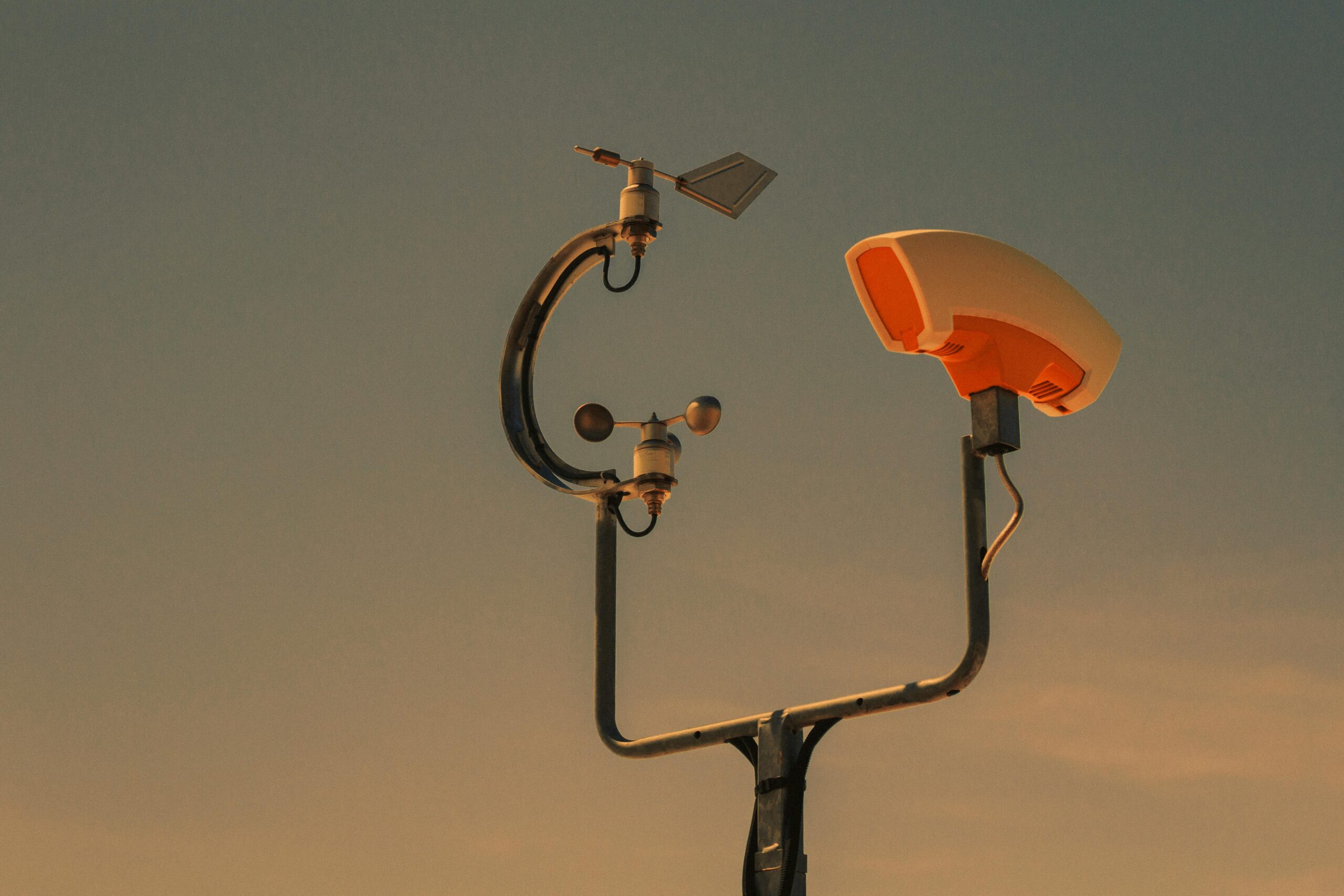
Ground-based sensor networks represent another critical component of microclimate mapping efforts. Cities worldwide are deploying thousands of Internet-of-Things (IoT) weather stations across neighborhoods, mounting sensors on streetlights, buildings, and other urban infrastructure. These devices continuously measure temperature, humidity, air pressure, wind speed, and air quality, transmitting data that feeds sophisticated climate models.
Mobile Sensing and Citizen Science
Perhaps the most innovative development involves mobile sensing platforms that transform everyday citizens into data collectors. Smartphones equipped with temperature and humidity sensors, vehicle-mounted weather stations, and even smartwatches contribute observations that fill gaps between fixed monitoring stations. This crowdsourced approach dramatically increases data density, particularly in underserved neighborhoods that traditional monitoring networks might overlook.
Several cities have partnered with delivery companies, public transportation systems, and ride-sharing services to mount weather sensors on vehicles that traverse urban areas throughout the day. These mobile platforms collect continuous measurements along their routes, creating dynamic transects that reveal how microclimates vary across space and time.
Artificial Intelligence Decoding Climate Complexity 🤖
The volume of data generated by modern sensing networks overwhelms traditional analysis methods. A single city might collect millions of data points daily from thousands of sensors, creating datasets too complex for human analysts to interpret effectively. Artificial intelligence and machine learning algorithms have become essential tools for extracting meaningful patterns from this information avalanche.
Deep learning models trained on historical weather data can identify subtle correlations between urban features and local climate conditions. These algorithms learn which combinations of factors produce specific microclimate characteristics, enabling predictions about areas that haven’t been extensively monitored. Machine learning can also detect anomalies and unusual patterns that might signal emerging climate phenomena or sensor malfunctions.
Computer vision techniques analyze satellite imagery and street-level photographs to automatically classify land cover types, building materials, vegetation density, and other features relevant to microclimate formation. This automated classification dramatically reduces the time and cost required to create detailed urban climate maps, making comprehensive mapping feasible even for smaller cities with limited resources.
| Technology | Spatial Resolution | Temporal Resolution | Primary Application |
|---|---|---|---|
| Satellite Thermal Imaging | 10-100 meters | Hours to days | Citywide heat mapping |
| Fixed IoT Sensors | Block-level | Minutes | Continuous monitoring |
| Mobile Platforms | Street-level | Real-time | Dynamic transects |
| Drone Surveys | 1-10 meters | On-demand | Detailed site analysis |
Practical Applications Transforming Urban Life
Understanding and mapping urban microclimates delivers tangible benefits that improve daily life for millions of city residents. These applications extend far beyond academic curiosity, addressing critical challenges in public health, energy management, urban planning, and climate adaptation.
Public health officials use microclimate maps to identify neighborhoods most vulnerable during heat waves, enabling targeted interventions like cooling centers and wellness checks for at-risk populations. Studies consistently show that extreme heat events disproportionately affect certain neighborhoods, often correlating with lower income areas that have less tree cover and more heat-absorbing surfaces. Precise microclimate data allows emergency services to focus resources where they’re needed most.
Energy Efficiency and Smart Grid Management
Utility companies leverage microclimate forecasts to predict electricity demand with greater accuracy. Air conditioning loads vary dramatically between neighborhoods experiencing different temperatures, and understanding these variations enables better grid management and reduced blackout risks during peak demand periods. Building managers can optimize HVAC systems based on hyper-local forecasts specific to their location rather than citywide averages.
Urban planners incorporate microclimate data into development decisions, evaluating how proposed buildings might alter local wind patterns, create new heat islands, or provide beneficial shade. Some cities now require climate impact assessments for major construction projects, similar to environmental impact statements, ensuring that new development doesn’t inadvertently create uncomfortable or dangerous conditions.
Green Infrastructure as Climate Modulation 🌳
One of the most powerful tools for moderating urban microclimates is strategic placement of vegetation and green infrastructure. Trees, green roofs, living walls, and urban parks don’t just provide aesthetic value—they function as natural climate control systems that can reduce local temperatures by 5-10 degrees through shade and evapotranspiration.
Microclimate mapping helps cities identify optimal locations for tree planting and green space development, targeting neighborhoods that would benefit most from cooling effects. Data-driven approaches ensure that limited budgets for urban greening produce maximum impact, creating equitable access to comfortable microclimates across all neighborhoods rather than concentrating benefits in affluent areas.
Innovative cities are experimenting with “cool pavement” technologies that reflect more sunlight than traditional dark asphalt, reducing surface temperatures by 10-15 degrees. When combined with strategic tree canopy placement informed by microclimate maps, these interventions can transform uncomfortably hot streets into pleasant pedestrian environments that encourage walking and cycling.
Hyperlocal Weather Forecasting Revolution
The ultimate promise of microclimate mapping lies in delivering truly personalized weather forecasts that reflect conditions in your specific neighborhood or even on your particular street. Several innovative weather services now provide forecasts at resolutions of 500 meters or less, a dramatic improvement over traditional forecasts covering areas of several square kilometers.
These hyperlocal forecasts combine data from dense sensor networks, satellite observations, and AI-powered prediction models to generate neighborhood-specific outlooks. Residents in a park-adjacent area might receive forecasts several degrees cooler than neighbors just blocks away in a dense commercial district, enabling better decisions about outdoor activities, clothing choices, and energy use.
The Challenge of Model Validation
Despite technological advances, validating microclimate models remains challenging. Weather systems operate at multiple scales simultaneously, with larger regional patterns interacting with local features in complex ways. A model might accurately predict temperature variations under calm conditions but fail when strong regional winds override local effects.
Researchers continuously refine their models through comparison with observed conditions, adjusting algorithms when predictions diverge from reality. This iterative process gradually improves accuracy, but achieving reliable forecasts for all neighborhoods under all weather conditions requires years of data collection and model development.
Climate Change Amplifying Urban Weather Extremes 🌍
Global climate change amplifies the importance of understanding urban microclimates. As heat waves become more frequent and intense, the temperature differences between cooler and hotter neighborhoods literally become life-or-death matters for vulnerable populations. Cities that have invested in microclimate mapping and targeted cooling interventions will be better positioned to protect residents as extreme heat events increase.
Climate projections suggest that many cities will experience 20-30 more days above 90°F by mid-century, with urban heat islands pushing some neighborhoods into dangerous territory even more frequently. Microclimate-informed adaptation strategies—strategic greening, cool surfaces, water features, and optimized building design—can help cities maintain livability despite these challenges.
Flooding patterns also vary at the microclimate scale, with certain neighborhoods experiencing more intense rainfall due to local convection patterns and urban heat islands. Understanding these variations helps cities design more effective stormwater management systems and identify areas requiring enhanced drainage infrastructure.
Equity and Environmental Justice Dimensions
Microclimate mapping has revealed uncomfortable truths about environmental justice in many cities. Lower-income neighborhoods and communities of color frequently experience significantly hotter conditions than affluent areas, a disparity resulting from historical underinvestment in tree canopy, parks, and green infrastructure. These communities often face a double burden: hotter temperatures combined with less access to air conditioning and other cooling resources.
Progressive cities are using microclimate data to address these inequities systematically. Rather than distributing tree planting budgets evenly across all neighborhoods, they’re prioritizing areas that are both hottest and most socially vulnerable. This targeted approach ensures that public investments in climate adaptation reduce disparities rather than reinforcing existing patterns of inequity.
Community engagement proves essential for successful microclimate interventions. Residents possess invaluable knowledge about local conditions and can identify specific locations where cooling infrastructure would provide maximum benefit. Citizen science initiatives that recruit residents to collect temperature data simultaneously build scientific understanding and community ownership of climate adaptation efforts.
The Future of Urban Climate Intelligence 🚀
The field of urban microclimate mapping is still in its adolescence, with exciting developments emerging rapidly. Researchers are developing more sophisticated sensors that measure additional variables like radiant heat, air quality pollutants, and allergen concentrations—all of which vary at the microclimate scale and impact human health and comfort.
Integration with smart city platforms will enable dynamic responses to changing conditions. Imagine street lights that automatically adjust timing based on real-time pedestrian traffic and local temperature, or irrigation systems that water parks and street trees based on neighborhood-specific evapotranspiration rates rather than fixed schedules.
Digital twins—virtual replicas of cities that simulate physical processes—are becoming powerful tools for testing climate interventions before implementation. Planners can model how a proposed green corridor would affect surrounding temperatures, or how a new building might alter wind patterns, allowing optimization before construction begins.

Bringing Precision to Everyday Weather Decisions
As microclimate mapping technologies mature and become more accessible, they promise to transform our relationship with urban weather. Rather than treating weather as something that happens to us uniformly, we’ll understand it as a hyperlocal phenomenon that varies dramatically across the urban landscape—and we’ll have the tools to shape it intentionally through thoughtful design and intervention.
The convergence of sensor networks, artificial intelligence, and climate science is creating unprecedented opportunities to make cities more comfortable, sustainable, and equitable. Every planted tree, every cool roof, and every thoughtfully designed public space becomes part of a larger strategy to engineer favorable microclimates where people live, work, and play.
For residents, this revolution means more accurate forecasts tailored to your specific location, better understanding of why your neighborhood feels hotter or cooler than others, and the knowledge needed to advocate for climate interventions in your community. The invisible climate patterns that shape urban life are finally becoming visible, measurable, and—most importantly—changeable through informed action.