Satellite technology has transformed our ability to predict and understand weather patterns, offering unprecedented insights into atmospheric phenomena that shape our daily lives.

🌍 The Dawn of Space-Based Weather Observation
The journey of weather observation from space began in the 1960s when the first meteorological satellites were launched into orbit. These pioneering instruments fundamentally changed how meteorologists approached weather forecasting, moving from ground-based observations to a comprehensive view of Earth’s atmospheric systems from above.
Today’s satellite networks represent a quantum leap from those early days. Modern weather satellites orbit Earth continuously, capturing detailed images and data every few minutes. This constant surveillance allows meteorologists to track storms as they develop, monitor temperature changes across vast regions, and detect subtle atmospheric shifts that might signal significant weather events.
The evolution of satellite technology has been remarkable. Early satellites could only capture basic black-and-white images, while contemporary instruments measure dozens of atmospheric variables simultaneously. This technological advancement has revolutionized weather pattern detection, making forecasts more accurate and reliable than ever before.
🛰️ Types of Weather Satellites and Their Unique Roles
Weather satellites fall into two primary categories, each serving distinct but complementary functions in our global observation network.
Geostationary Satellites: The Constant Watchers
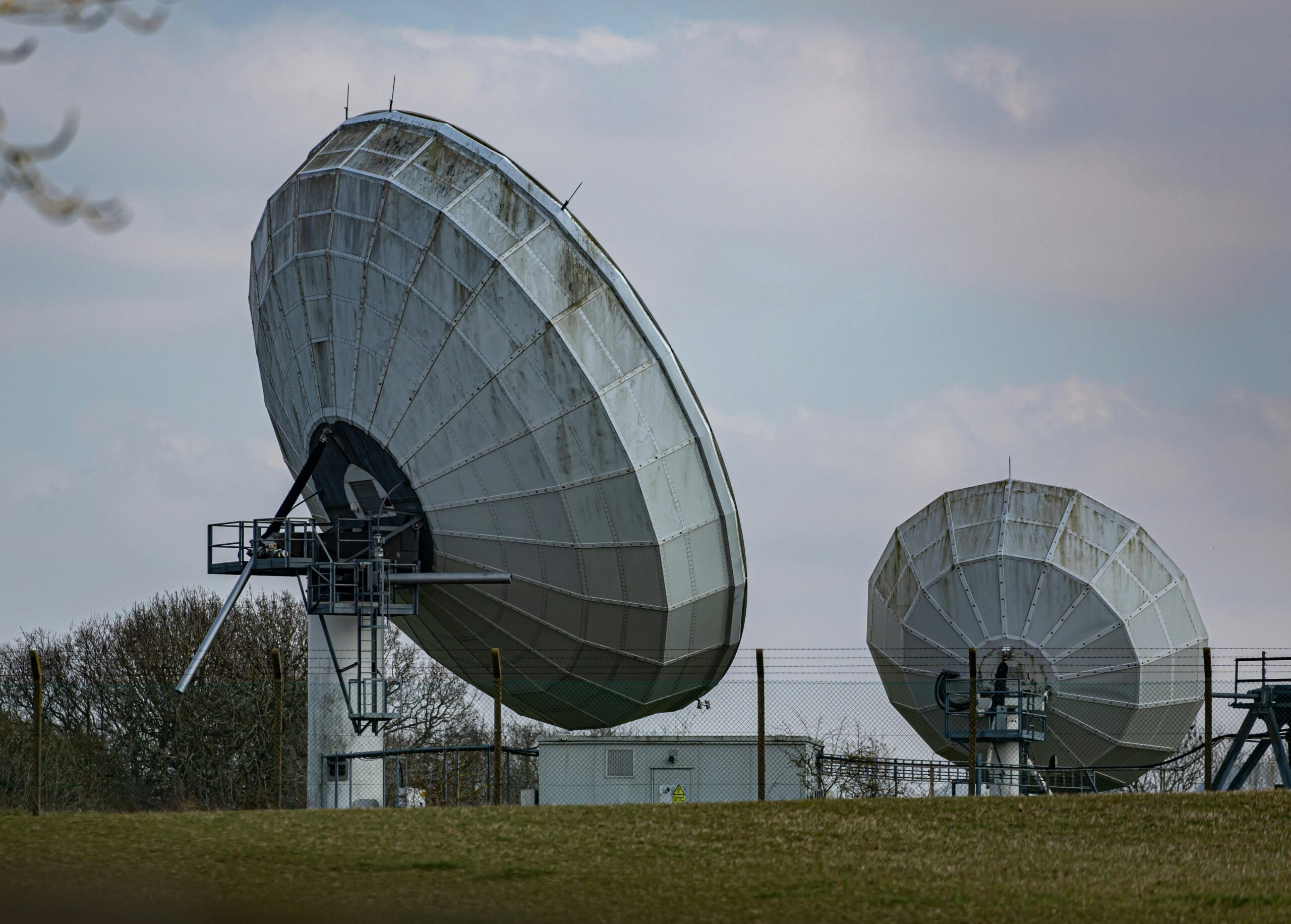
Geostationary satellites orbit approximately 35,800 kilometers above Earth’s equator, moving at the same speed as Earth’s rotation. This synchronization allows them to remain fixed over one location, providing continuous monitoring of specific regions. These satellites excel at tracking rapidly developing weather systems like thunderstorms, hurricanes, and severe weather outbreaks.
The GOES (Geostationary Operational Environmental Satellites) series operated by NOAA represents the gold standard in geostationary weather observation. These sophisticated platforms can scan the entire Western Hemisphere every ten minutes, and even more frequently during severe weather events. Their ability to capture images in multiple wavelengths allows meteorologists to analyze cloud heights, water vapor distribution, and surface temperatures with remarkable precision.
Polar-Orbiting Satellites: The Global Surveyors
Polar-orbiting satellites take a different approach, circling Earth at much lower altitudes of approximately 850 kilometers. These satellites cross both poles during each orbit, gradually covering the entire planet as Earth rotates beneath them. While they don’t provide continuous coverage of any single location, they offer higher resolution imagery and more detailed atmospheric measurements.
The advantage of polar-orbiting satellites lies in their ability to observe every point on Earth at least twice daily. This global coverage is essential for understanding long-term weather patterns, climate trends, and atmospheric conditions in remote regions where ground-based observations are sparse or nonexistent.
🔬 Advanced Sensing Technologies Decoding the Atmosphere
Modern weather satellites carry an impressive array of instruments, each designed to measure specific atmospheric characteristics. These sophisticated sensors work together to create a comprehensive picture of Earth’s weather systems.
Visible and Infrared Imaging
Visible light sensors capture images similar to what we would see with our own eyes, showing cloud patterns, snow cover, and other surface features during daylight hours. These images are invaluable for identifying cloud types and tracking their movement across regions.
Infrared sensors, however, operate day and night, detecting heat radiation emitted by Earth’s surface and atmosphere. By measuring temperature differences, meteorologists can determine cloud heights, identify fog, monitor ocean temperatures, and detect volcanic ash clouds that pose hazards to aviation.
Microwave and Radio Frequency Instruments
Microwave sensors penetrate cloud cover to measure precipitation rates, soil moisture, and sea surface temperatures. These instruments are particularly valuable for monitoring tropical cyclones, as they can observe the internal structure of storms obscured by thick cloud layers.
Advanced sounders measure atmospheric temperature and moisture profiles at different altitudes, providing crucial data for weather prediction models. This vertical perspective helps meteorologists understand atmospheric stability and predict where severe weather might develop.
⚡ Hurricane Tracking and Tropical Cyclone Prediction
Few applications of satellite technology demonstrate its value more dramatically than hurricane monitoring. Before satellites, tropical cyclones could go undetected until they made landfall or were spotted by ships at sea. This often resulted in tragic loss of life and inadequate preparation time.
Today, satellite data allows meteorologists to identify tropical disturbances when they’re barely organized, track their development into tropical storms and hurricanes, and monitor their intensity and trajectory continuously. High-resolution satellite imagery reveals the intricate structure of these massive storms, including eye formation, rainband organization, and wind speed indicators.
Modern satellites can estimate hurricane intensity by analyzing eye temperature, cloud patterns, and storm symmetry. This information, combined with other data sources, helps forecasters issue timely warnings and evacuation orders, saving countless lives each year. The improvement in hurricane track forecasts over the past few decades is directly attributable to enhanced satellite observations.
🌡️ Climate Monitoring and Long-Term Weather Patterns
Beyond day-to-day weather forecasting, satellites provide invaluable data for understanding long-term climate patterns and trends. Decades of continuous satellite observations have created an unprecedented record of Earth’s changing climate.
Satellite measurements of sea surface temperatures reveal ocean warming trends and help identify climate phenomena like El Niño and La Niña. These Pacific Ocean temperature patterns influence weather worldwide, affecting precipitation, temperature, and storm activity across continents. Early detection of these patterns allows for seasonal forecasts that help agriculture, water resource management, and disaster preparedness.
Satellites also monitor polar ice caps, tracking their extent and thickness over time. This data is crucial for understanding climate change impacts and predicting sea level rise. Additionally, satellites measure atmospheric composition, including greenhouse gas concentrations, aerosols, and ozone levels, providing essential information for climate science research.
🌩️ Severe Weather Detection and Warning Systems
Satellite technology has dramatically improved our ability to detect and warn about severe weather events. Lightning detection from space, for instance, provides early warning of developing thunderstorms. Satellites equipped with lightning mappers can detect electrical activity before storms become severe, giving forecasters additional lead time for warnings.
Tornado development often involves subtle atmospheric changes that satellites can detect. While ground-based radar remains primary for tornado warnings, satellite data helps identify atmospheric conditions conducive to tornado formation. Meteorologists analyze satellite imagery to spot features like overshooting tops and enhanced V-patterns that indicate strong updrafts associated with supercell thunderstorms.
Winter weather forecasting has also benefited tremendously from satellite technology. Infrared and microwave sensors can detect snow and ice cover, track winter storms, and measure precipitation rates. This information helps transportation departments, emergency managers, and the public prepare for hazardous winter conditions.
📱 Bringing Satellite Weather Data to Your Fingertips
The wealth of satellite weather data once available only to professional meteorologists is now accessible to everyone through smartphone applications. These apps integrate real-time satellite imagery with forecasts, radar data, and severe weather alerts to keep users informed about current and upcoming weather conditions.
Modern weather apps leverage satellite data to provide hyperlocal forecasts, animated weather maps, and visual representations of approaching systems. Users can view actual satellite images showing cloud cover, storm systems, and precipitation, giving them a meteorologist’s perspective on developing weather situations.
🔮 The Future of Satellite Weather Observation
The next generation of weather satellites promises even more revolutionary advances in weather pattern detection and forecasting. New technologies under development will provide unprecedented spatial and temporal resolution, capturing atmospheric changes in real-time with extraordinary detail.
Artificial Intelligence and Machine Learning Integration
Artificial intelligence is transforming how we analyze satellite data. Machine learning algorithms can process vast amounts of satellite imagery far faster than human analysts, identifying patterns and anomalies that might otherwise go unnoticed. These systems are being trained to recognize developing severe weather signatures, predict storm intensity changes, and improve forecast accuracy.
AI-powered systems can also integrate satellite data with information from ground stations, weather balloons, aircraft, and numerical weather models to create comprehensive forecasts. This data fusion approach extracts maximum value from every available observation source, leading to more accurate and detailed predictions.
Hyperspectral Imaging and Advanced Sensors
Next-generation satellites will carry hyperspectral imagers capable of measuring hundreds of narrow wavelength bands. This technology will provide unprecedented detail about atmospheric composition, allowing meteorologists to track pollutants, detect volcanic emissions, and monitor atmospheric chemistry with remarkable precision.
Advanced radar systems planned for future satellites will measure precipitation rates and wind speeds with exceptional accuracy. Some proposed systems will use laser technology to create three-dimensional profiles of clouds and aerosols, providing insights into atmospheric processes that current instruments cannot capture.
🌐 Global Collaboration in Weather Satellite Operations
Weather satellite systems operate through international cooperation, with multiple nations contributing spacecraft and data to create a truly global observation network. Organizations like the World Meteorological Organization coordinate this collaboration, ensuring that satellite data flows freely between countries and serves the entire global community.
This international partnership is essential because weather systems don’t respect political boundaries. A storm forming over one nation can affect weather patterns thousands of kilometers away. By sharing satellite data and forecasts, countries collectively improve weather prediction accuracy worldwide, particularly benefiting developing nations that may lack advanced meteorological infrastructure.
The European Space Agency’s Meteosat series, Japan’s Himawari satellites, China’s Fengyun program, and India’s INSAT satellites all contribute to global weather monitoring. This multinational constellation ensures comprehensive coverage of Earth’s atmosphere, with multiple satellites observing different regions simultaneously.
💡 Practical Applications Beyond Weather Forecasting
While weather forecasting remains the primary application, satellite data serves numerous other important purposes. Agriculture relies on satellite observations to monitor crop health, predict yields, and optimize irrigation. Farmers use satellite-derived precipitation estimates, soil moisture measurements, and vegetation indices to make informed decisions about planting, fertilizing, and harvesting.
Aviation safety depends heavily on satellite weather data. Pilots and air traffic controllers use satellite imagery to identify hazardous weather conditions, plan efficient routes, and avoid turbulence. Satellite detection of volcanic ash clouds is particularly critical, as these particles can damage aircraft engines and pose serious safety risks.
Maritime operations benefit from satellite observations of ocean conditions, including wave heights, sea surface temperatures, and ice coverage. Shipping companies use this information to optimize routes, avoid storms, and ensure vessel safety. Fishing fleets rely on satellite sea surface temperature data to locate productive fishing grounds.
🎯 Overcoming Challenges in Satellite Weather Observation
Despite their remarkable capabilities, weather satellites face several challenges. Maintaining and replacing aging satellites requires substantial investment, and launching new spacecraft involves significant costs and technical complexity. Countries must balance these expenses against other priorities while ensuring continuous weather observation capabilities.
Data processing presents another challenge. Modern satellites generate enormous amounts of information—terabytes daily—that must be transmitted, processed, and distributed rapidly to be useful for forecasting. This requires sophisticated ground systems, high-speed communications networks, and powerful computing infrastructure.
Interpreting satellite data accurately requires skilled meteorologists who understand both atmospheric science and remote sensing technology. Training the next generation of satellite meteorologists is essential for maintaining and advancing weather forecasting capabilities as older systems are replaced with more complex instruments generating increasingly diverse datasets.
🚀 The Revolutionary Impact on Daily Life
The satellite weather revolution has profoundly impacted how we live, work, and plan our activities. Accurate weather forecasts help us make countless daily decisions, from what clothes to wear to whether to postpone outdoor events. Businesses use weather forecasts for inventory management, staffing decisions, and operational planning.
Emergency management has been transformed by satellite weather technology. Early warnings of severe weather enable evacuations, allow utilities to pre-position repair crews, and help hospitals and emergency services prepare for increased demand. The economic value of accurate weather forecasts runs into billions of dollars annually through reduced damages, optimized operations, and better resource allocation.
Public safety has improved dramatically as satellite technology enables more accurate and timely severe weather warnings. The lead time for tornado warnings has increased substantially over recent decades, and hurricane forecast accuracy has improved significantly. These advances translate directly into lives saved and reduced property damage.
As satellite technology continues advancing, our ability to understand and predict weather patterns will only improve. The combination of more sophisticated instruments, artificial intelligence, global collaboration, and innovative data analysis techniques promises even greater accuracy and longer forecast ranges. This ongoing revolution in weather observation from space continues unlocking atmospheric secrets, providing insights that help us better prepare for and respond to Earth’s ever-changing weather patterns.