Ground sensor networks are revolutionizing how we collect, analyze, and interpret environmental data, making complex mapping tasks accessible to researchers, farmers, and environmental professionals worldwide.

🌍 The Revolution of Ground-Based Sensing Technology
In an era where data drives decision-making, ground sensor networks have emerged as powerful tools for understanding our environment. These interconnected systems of sensors deployed across landscapes collect real-time information about soil conditions, temperature, moisture levels, air quality, and countless other parameters. What once required expensive satellite imagery or manual field surveys can now be accomplished through affordable, automated sensor arrays that work continuously, capturing patterns invisible to the naked eye.
The beauty of ground sensor networks lies in their ability to provide hyperlocal, accurate data that complements broader remote sensing methods. While satellites offer vast coverage, ground sensors deliver granular insights that reveal microclimates, soil variations, and localized environmental changes that would otherwise go unnoticed. This combination creates a comprehensive picture of the landscape, enabling better resource management and informed decision-making.
Understanding the Architecture of Sensor Networks
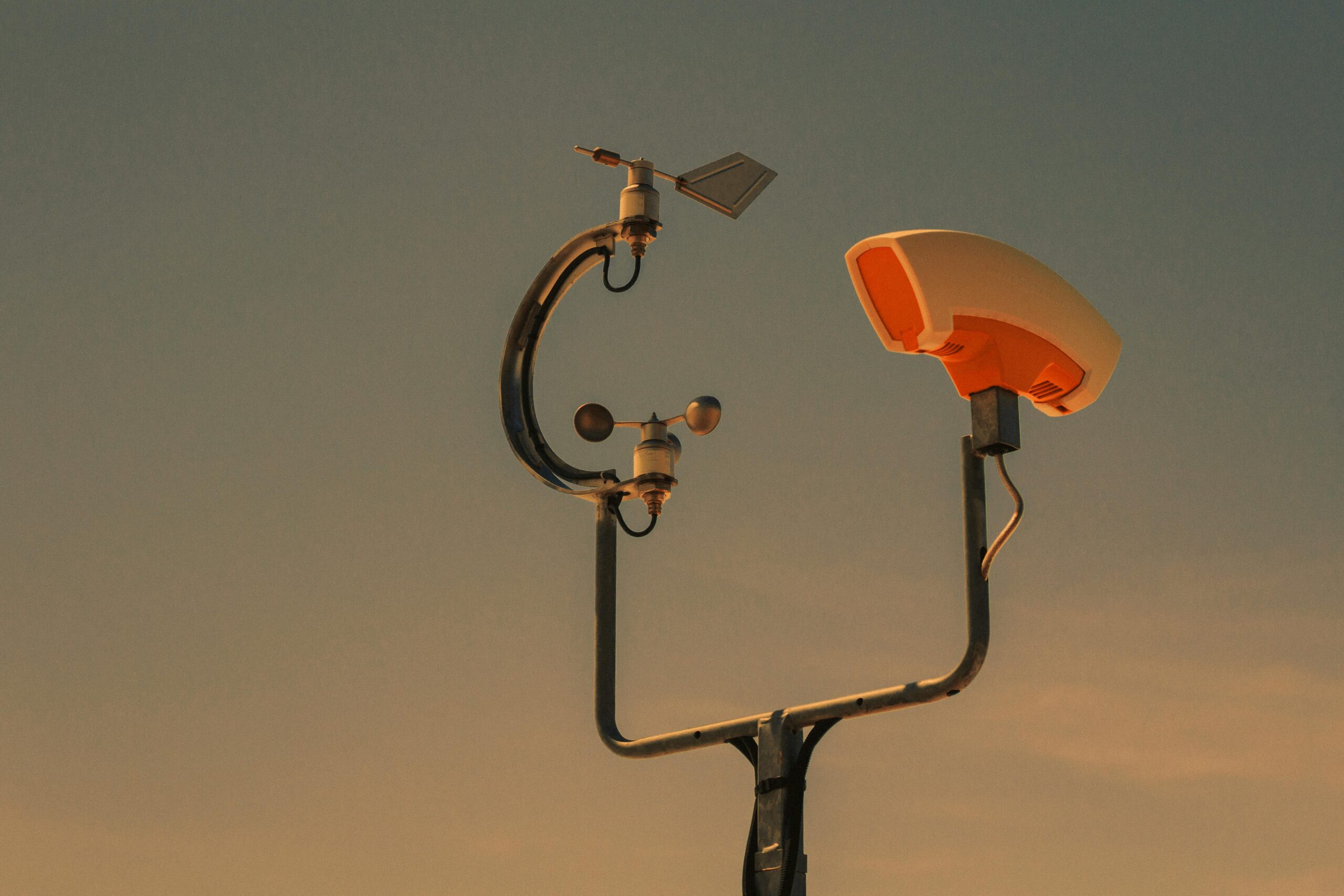
Ground sensor networks consist of multiple components working in harmony. Individual sensor nodes collect specific data points, whether measuring soil moisture, temperature, pH levels, or atmospheric conditions. These nodes communicate wirelessly with gateway devices that aggregate information and transmit it to cloud-based platforms or local servers for analysis.
The distributed nature of these networks provides redundancy and comprehensive coverage. If one sensor fails, others continue operating, ensuring data continuity. Modern systems incorporate self-healing capabilities, automatically rerouting communications and alerting operators to maintenance needs. This resilience makes them ideal for remote or harsh environments where human intervention is costly or impractical.
Key Components That Make Networks Function
Every effective ground sensor network relies on several critical elements working together:
- Sensor nodes: The data collection points equipped with various measurement capabilities
- Communication infrastructure: Wireless protocols enabling data transmission between nodes
- Power systems: Solar panels, batteries, or energy harvesting solutions ensuring continuous operation
- Data processing units: Edge computing devices or cloud platforms that analyze incoming information
- User interfaces: Dashboards and applications that visualize data in actionable formats
- Storage solutions: Databases maintaining historical records for trend analysis
🗺️ Mapping Applications Across Industries
The versatility of ground sensor networks makes them invaluable across numerous sectors. In precision agriculture, farmers deploy sensors throughout fields to create detailed maps of soil moisture, nutrient levels, and crop health. These maps guide irrigation decisions, fertilizer application, and harvest timing, optimizing yields while minimizing resource waste. The environmental impact is significant, reducing water consumption and chemical runoff while improving farm profitability.
Environmental monitoring agencies use sensor networks to track pollution levels, water quality in rivers and lakes, and wildlife habitat conditions. These systems provide early warnings for contamination events, help identify pollution sources, and monitor ecosystem health over time. The continuous data streams enable rapid response to environmental threats and support evidence-based conservation strategies.
Urban Planning and Smart Cities
Metropolitan areas increasingly rely on ground sensor networks for infrastructure management. Sensors embedded in roads detect traffic patterns, pavement conditions, and structural integrity of bridges and tunnels. Environmental sensors monitor urban heat islands, air quality hotspots, and noise pollution, informing city planning decisions that improve resident quality of life.
Smart city initiatives integrate sensor data with geographic information systems (GIS) to create dynamic maps showing real-time conditions across urban landscapes. These visualizations help emergency services respond more effectively, optimize public transportation routes, and identify areas needing infrastructure improvements. The result is more livable, efficient, and sustainable urban environments.
Uncovering Hidden Environmental Patterns
One of the most powerful aspects of ground sensor networks is their ability to reveal patterns that escape casual observation. Subtle variations in microclimates, gradual soil degradation, or emerging pest pressures become visible through consistent data collection and sophisticated analysis. Machine learning algorithms process historical sensor data to identify correlations and predict future trends, transforming raw measurements into actionable intelligence.
Temporal patterns emerge from continuous monitoring. Seasonal variations, daily fluctuations, and long-term trends become clear when data spans months or years. This historical context enables comparison between current conditions and established baselines, highlighting anomalies that warrant investigation. For researchers studying climate change impacts, these long-term datasets provide invaluable evidence of shifting environmental conditions.
Spatial Analysis Reveals Geographic Relationships
When sensor data is mapped spatially, geographic relationships become apparent. Contour maps showing soil moisture gradients reveal drainage patterns and help identify areas prone to waterlogging or drought stress. Heat maps of air quality data pinpoint pollution sources and show how contaminants disperse across landscapes. These visualizations support targeted interventions, directing resources where they’ll have maximum impact.
Interpolation techniques estimate conditions between sensor locations, creating continuous surface maps from discrete measurement points. While actual measurements provide ground truth, interpolated surfaces offer comprehensive coverage useful for planning and analysis. Advanced algorithms account for terrain, land cover, and other factors influencing the measured parameters, improving estimation accuracy.
🔧 Technologies Enabling Easier Implementation
The democratization of sensor technology has made ground sensor networks accessible to organizations of all sizes. Low-cost sensors, open-source software platforms, and cloud computing services reduce barriers to entry. What once required significant capital investment and technical expertise now fits within modest budgets and can be managed by non-specialists with appropriate training.
Wireless communication standards like LoRaWAN enable long-range data transmission with minimal power consumption, perfect for agricultural and environmental applications. These networks can span several kilometers from a single gateway, reducing infrastructure costs. Cellular IoT technologies provide alternatives where existing telecommunications infrastructure exists, offering reliable connectivity without establishing private networks.
Software Platforms Simplifying Data Management
Cloud-based platforms have transformed sensor network management. Users access dashboards from any internet-connected device, viewing real-time data, configuring alerts, and generating reports without specialized software installations. These platforms handle data storage, processing, and visualization, eliminating the need for on-premises servers and IT infrastructure.
Application programming interfaces (APIs) enable integration with existing systems. Sensor data can flow into farm management software, environmental databases, or business intelligence tools, creating unified information ecosystems. This interoperability maximizes the value of sensor investments, allowing data to inform multiple workflows and decision-making processes.
Real-World Success Stories and Case Studies
Across California’s Central Valley, wine grape growers have deployed extensive sensor networks mapping vineyard microclimates. These systems revealed unexpected temperature variations between neighboring blocks, informing harvest timing decisions that optimize fruit quality. The resulting wines show improved consistency, and growers report better returns despite investments in monitoring infrastructure. The competitive advantage gained through precision viticulture has prompted widespread adoption throughout premium wine regions.
In the Netherlands, water management authorities use ground sensor networks monitoring groundwater levels and soil salinity across low-lying agricultural areas. The data maps areas at risk of salinization from rising sea levels, guiding adaptation strategies. Farmers receive alerts when conditions favor salt accumulation, enabling preventive measures that protect crop productivity. This proactive approach has minimized agricultural losses in vulnerable coastal regions.
Conservation Applications Protecting Biodiversity
Wildlife reserves in Africa have implemented sensor networks monitoring water hole conditions and vegetation health. The systems map dry-season water availability, helping rangers predict animal movements and identify areas requiring intervention. Conservation managers use this information to optimize patrol routes, protect vulnerable populations, and manage human-wildlife conflicts more effectively. The data has proven essential for evidence-based conservation planning.
Forest monitoring networks detect early signs of pest infestations, disease outbreaks, and fire risk. Temperature, humidity, and volatile organic compound sensors create maps showing forest health status. When patterns indicate emerging problems, forestry services can respond quickly, containing threats before they cause widespread damage. This early warning capability has saved thousands of hectares from catastrophic losses.
📊 Data Visualization Techniques That Clarify Insights
Effective visualization transforms sensor data from overwhelming number streams into intuitive, understandable information. Heat maps use color gradients to show intensity variations across mapped areas, making hotspots and gradients immediately obvious. Time-series graphs reveal trends and cycles, while comparison charts highlight differences between locations or time periods. Choosing appropriate visualization methods ensures stakeholders quickly grasp key insights without requiring technical expertise.
Interactive dashboards allow users to explore data from multiple perspectives. Filtering by date range, sensor type, or geographic area reveals specific patterns of interest. Layering multiple parameters on single maps shows relationships between variables—for example, overlaying soil moisture and crop yield data might reveal irrigation efficiency patterns. These interactive tools empower users to ask questions and discover answers through intuitive exploration.
Mobile Applications Bringing Data to the Field
Smartphone applications put sensor network data in the palms of field personnel. Workers can view real-time measurements from their current locations, receive navigation guidance to specific sensors requiring maintenance, and input observational data complementing automated measurements. This mobile access bridges the gap between automated sensing and human expertise, creating comprehensive information systems.
Push notifications alert users to critical conditions requiring immediate attention. When soil moisture drops below thresholds, irrigation managers receive alerts triggering intervention. If air quality sensors detect pollution spikes, environmental officers are notified to investigate sources. These proactive alerts transform sensor networks from passive monitoring tools into active management systems.
Overcoming Implementation Challenges
Despite their benefits, ground sensor networks present implementation challenges. Sensor calibration requires attention—instruments drift over time, necessitating periodic verification against reference standards. Maintenance protocols must ensure batteries are replaced, solar panels cleaned, and enclosures remain weatherproof. Organizations new to sensor technology sometimes underestimate ongoing maintenance requirements, leading to data gaps and system degradation.
Data quality management demands vigilance. Outliers may represent genuine anomalies or sensor malfunctions requiring different responses. Establishing quality control procedures that flag suspicious data while avoiding excessive false alarms requires careful threshold setting and validation protocols. Automated quality checks combined with periodic manual reviews strike the right balance between efficiency and accuracy.
Addressing Connectivity in Remote Locations
Remote deployment sites often lack reliable connectivity, complicating data transmission. Solutions include satellite communications for truly isolated locations, though costs remain higher than terrestrial alternatives. Mesh networking allows sensors to relay data through neighboring nodes, extending effective range beyond individual sensor communication capabilities. Local data logging provides backup, storing measurements on-device when connectivity fails, then uploading when connections restore.
Power management becomes critical in off-grid applications. Solar panels sized appropriately for local light conditions, combined with efficient battery systems, enable year-round operation. Energy harvesting techniques—capturing power from temperature gradients, vibration, or other environmental sources—extend battery life. Low-power sensor designs and smart duty cycling, where sensors sleep between measurements, minimize consumption while maintaining adequate data collection rates.
🚀 Future Trends Shaping Sensor Network Evolution
Emerging technologies promise to enhance ground sensor network capabilities significantly. Miniaturization continues, with sensors becoming smaller, cheaper, and more energy-efficient. This enables denser network deployments, improving spatial resolution and pattern detection. Biodegradable sensors under development could be deployed temporarily for specific studies, then safely decompose without retrieval, reducing environmental impact and deployment costs.
Artificial intelligence integration will transform data analysis. Machine learning models trained on vast sensor datasets will identify subtle patterns humans might miss, predict future conditions with increasing accuracy, and automatically optimize system configurations. Edge computing will push intelligence to sensor nodes themselves, enabling real-time decision-making without cloud connectivity delays. This distributed intelligence will make networks more responsive and autonomous.
Integration with Autonomous Systems
Ground sensor networks will increasingly guide autonomous vehicles and robots. Agricultural robots will navigate fields using sensor-derived maps, targeting interventions precisely where needed. Drone fleets will follow optimized flight paths determined by sensor data, collecting complementary aerial imagery. This integration of sensing, mapping, and automated action will create closed-loop systems that monitor conditions, make decisions, and implement responses with minimal human intervention.
Standardization efforts aim to improve interoperability between sensor systems from different manufacturers. Common data formats, communication protocols, and API specifications will enable seamless integration, preventing vendor lock-in and maximizing system flexibility. Users will mix and match components based on performance and cost rather than compatibility constraints, fostering innovation and competitive pricing.

Making Your First Steps into Sensor Networks
Organizations considering ground sensor network implementation should start with clear objectives. What specific questions need answering? Which parameters matter most? What geographic coverage is required? Answering these questions guides sensor selection, network design, and budget allocation. Starting small with pilot projects allows learning before major investments, reducing risk while building organizational expertise.
Partnering with experienced providers accelerates deployment success. Consultants can assess sites, recommend appropriate technologies, and assist with installation and configuration. Training ensures staff can operate and maintain systems effectively. While outsourcing has costs, the expertise gained often proves valuable, avoiding expensive mistakes and establishing best practices from the start.
The journey toward data-driven environmental management begins with a single sensor. As networks grow and data accumulates, hidden patterns emerge, transforming understanding and enabling more informed decisions. Ground sensor networks represent more than technological innovation—they’re tools for revealing truths about our world, making the invisible visible, and empowering better stewardship of the resources we depend upon. The future of mapping is here, and it’s easier than ever to get started. 🌱