As the leaves begin to fall and temperatures drop, it’s time to reimagine your wardrobe with fresh perspectives on seasonal dressing and pattern play.

The transition from fall to winter represents one of the most exciting opportunities for fashion enthusiasts to experiment with layering, textures, and evolving style narratives. This period isn’t merely about swapping short sleeves for sweaters—it’s a chance to completely transform how you approach personal style while maintaining comfort and sophistication through colder months.
Understanding how to navigate these seasonal shifts effectively can elevate your entire wardrobe from functional to truly fashionable. The key lies in recognizing which patterns, colors, and silhouettes work harmoniously across both seasons while investing in pieces that offer maximum versatility and visual interest.
🍂 Understanding the Psychology of Seasonal Dressing
Our clothing choices are deeply connected to environmental changes and emotional responses to shifting seasons. As daylight diminishes and temperatures fall, we naturally gravitate toward richer colors, heavier fabrics, and more complex layering techniques that provide both physical warmth and psychological comfort.
This instinctive response to seasonal change has been embedded in fashion traditions for centuries. Fall typically brings earth tones, burnt oranges, and deep reds that mirror the changing foliage, while winter invites cooler palettes with sophisticated grays, navy blues, and pristine whites that reflect the monochromatic landscape.
Recognizing these natural inclinations helps you make intentional choices rather than reactive purchases. Instead of completely overhauling your wardrobe each season, you can thoughtfully incorporate transitional pieces that bridge the gap between autumn’s warmth and winter’s chill.
⚡ Strategic Layering: The Foundation of Transitional Dressing
Mastering the art of layering is essential for navigating unpredictable weather patterns during seasonal transitions. The goal is creating outfits that can be easily adjusted throughout the day as temperatures fluctuate.
Start with lightweight base layers in breathable fabrics like cotton or merino wool. These pieces should fit close to the body without restricting movement, providing warmth without bulk. Mid-layers such as cardigans, vests, or lightweight sweaters add insulation while contributing to your overall aesthetic.
Building Your Layering System
The most effective layering approach follows a three-tier system that balances functionality with style. Your base layer regulates temperature and wicks moisture, your mid-layer provides insulation and visual interest, and your outer layer protects against wind and precipitation while making a statement.
Consider investing in pieces that serve multiple purposes across these layers. A well-constructed blazer can function as both a mid-layer under a coat or as a standalone outer layer during milder days. Similarly, a quality turtleneck serves as an excellent base layer that looks polished enough to stand alone during transitional periods.
🎨 Pattern Mixing: Elevating Your Seasonal Style
Fall and winter provide the perfect canvas for experimenting with pattern combinations that might seem too bold during warmer months. The richness of seasonal fabrics and deeper color palettes make pattern mixing feel more cohesive and intentional.
When combining patterns, start with a unifying color scheme. Choose prints that share at least one common color to create visual harmony. For example, a plaid scarf in burgundy and navy pairs beautifully with a striped sweater featuring similar tones.
Classic Pattern Combinations for Cold Weather
Certain pattern pairings have stood the test of time because they balance visual interest with sophistication. Stripes and florals create dynamic contrast, while plaids and checks complement each other through shared geometric elements. Animal prints serve as neutrals that anchor bolder patterns without competing for attention.
Scale variation is crucial when mixing patterns. Pair larger prints with smaller, more delicate patterns to create hierarchy and prevent visual chaos. A bold houndstooth coat looks stunning over a fine pinstripe shirt because the difference in scale allows both patterns to shine without overwhelming the eye.
🧥 Investment Pieces Worth Your Attention
Strategic wardrobe building focuses on acquiring versatile pieces that transcend seasonal boundaries and trend cycles. These foundational items form the backbone of countless outfit combinations throughout fall and winter.
A quality wool coat in a neutral color represents one of the most valuable investments you can make. Choose a silhouette that flatters your body type and a color that coordinates with most of your existing wardrobe. Classic options like camel, charcoal, or navy offer maximum versatility.
Essential Items for Seamless Transitions
- Cashmere or merino wool sweaters in neutral and accent colors
- Well-fitted dark denim or quality trousers that work for multiple occasions
- Leather or suede ankle boots that transition from casual to dressy
- A structured handbag in a rich seasonal tone
- Lightweight wool scarves that add warmth and visual interest
- Quality leather gloves that combine functionality with elegance
These pieces work harmoniously together, allowing you to create numerous outfit combinations without constant shopping. Focus on quality over quantity, choosing items constructed from natural fibers that improve with age and wear.
❄️ Color Theory for Cold Weather Wardrobes
While darker shades dominate cold-weather fashion, incorporating strategic color choices prevents your wardrobe from becoming monotonous. Understanding which colors complement your skin tone and work well in layered combinations elevates your overall aesthetic.
Fall typically embraces warm undertones—think rust, mustard, olive, and wine. As winter arrives, cooler tones like ice blue, emerald, and deep purple create sophisticated contrast against neutral backgrounds. Incorporating these accent colors through accessories or secondary layers adds depth without overwhelming your look.
Building a Cohesive Color Palette
Select three to five core neutral colors that form your wardrobe foundation. Common choices include black, navy, gray, camel, and cream. These neutrals should coordinate effortlessly, allowing you to mix pieces without concern for clashing.
Add two to three accent colors that reflect your personal style and complement your complexion. These bolder shades appear in statement pieces, accessories, and patterned items. This approach ensures wardrobe cohesion while maintaining visual interest and personal expression.
👢 Footwear Transitions: From Boots to Booties
Shoes significantly impact your outfit’s overall vibe and practicality during seasonal transitions. The shift from fall to winter requires footwear that handles wet conditions while maintaining style integrity.
Ankle boots bridge the gap between seasons beautifully, offering coverage without the commitment of full boots. Choose styles in leather or suede with subtle weather-resistant treatments. Block heels provide stability on slippery surfaces while maintaining a polished appearance.
As winter intensifies, knee-high boots become both practical and fashionable. Look for styles with adequate traction and insulation that don’t sacrifice sophistication. Classic riding boots or sleek heeled boots in quality leather remain relevant year after year.
🧣 Accessorizing with Purpose and Style
Accessories transform basic outfits into memorable ensembles while providing essential warmth during colder months. The key is selecting pieces that balance functionality with aesthetic appeal.
Scarves offer the most versatility among cold-weather accessories. Invest in various weights and sizes—lightweight silk scarves for early fall, chunky knits for deep winter, and medium-weight wool for transitional periods. Experiment with different tying techniques to create varied looks from the same piece.
Strategic Accessory Investments
Quality accessories elevate even the simplest outfits. A structured leather bag in a rich seasonal color adds polish to casual ensembles while remaining appropriate for professional settings. Consider investing in pieces with hardware in warm metals like gold or brass, which complement fall and winter color palettes beautifully.
Statement jewelry takes on new dimensions against the backdrop of sweaters and coats. Long necklaces layer beautifully over turtlenecks, while bold earrings peek out from beneath cold-weather headwear. These details add personality and prevent your bundled look from feeling anonymous.
🌟 Texture Play: Adding Dimension to Winter Outfits
Cold-weather dressing provides unique opportunities to incorporate diverse textures that add visual and tactile interest. Combining materials like wool, leather, velvet, and cashmere creates sophisticated dimension that photographs beautifully and feels luxurious.
Mixing textures within a monochromatic outfit prevents it from appearing flat. A charcoal wool coat over a cashmere sweater with leather pants creates depth through textural variation despite the limited color palette. This technique allows you to wear darker shades without looking somber.
Consider unexpected texture combinations that surprise and delight. Pair structured materials like denim or leather with flowing fabrics like silk or chiffon. The contrast between rigid and fluid elements creates movement and interest while showcasing your style confidence.
♻️ Sustainable Approaches to Seasonal Wardrobe Updates
Building a stylish cold-weather wardrobe doesn’t require excessive consumption. Sustainable fashion practices benefit both your budget and the environment while encouraging more thoughtful, intentional style choices.
Begin by thoroughly assessing your existing wardrobe. Many pieces can be refreshed through simple updates like replacing buttons, adding patches, or professional cleaning. Items you haven’t worn recently might simply need reimagining with different styling approaches.
Shopping with Intention
When adding new pieces, prioritize quality and versatility over trendy items with limited longevity. Research brands committed to ethical production and sustainable materials. Natural fibers like wool, cotton, and silk offer superior performance and longevity compared to synthetic alternatives.
Consider secondhand shopping for unique pieces and vintage treasures. Consignment stores, online resale platforms, and vintage boutiques offer high-quality items at reduced prices while extending garment lifecycles. This approach adds character to your wardrobe while minimizing environmental impact.
💡 Practical Tips for Wardrobe Organization
Proper organization ensures you maximize your wardrobe’s potential while simplifying daily outfit creation. As seasons change, take time to properly store off-season items and reorganize remaining pieces for easy access.
Store summer clothing in breathable containers after cleaning and making necessary repairs. This prevents damage and ensures items are ready when warm weather returns. Keep transitional pieces accessible, as fluctuating temperatures often require mixing seasonal items unexpectedly.
Organize your remaining wardrobe by category and color. This system helps you quickly identify outfit combinations and reveals gaps where strategic additions would provide maximum impact. Take photos of favorite outfits for inspiration on busy mornings when decision fatigue strikes.
🎯 Creating a Personal Style Vision
The most successful wardrobe transitions reflect your authentic personal style rather than blindly following trends. Take time to identify which aspects of seasonal fashion resonate with your aesthetic and lifestyle needs.
Create a digital inspiration board featuring outfits, colors, and patterns that appeal to you. Look for common threads—do you gravitate toward minimalist neutrals or bold pattern mixing? Understanding these preferences guides smarter shopping decisions and helps you resist impulse purchases that don’t align with your vision.
Experiment with new combinations from your existing wardrobe before shopping. You might discover outfit possibilities you hadn’t considered, reducing the need for new purchases while refreshing your daily rotation.
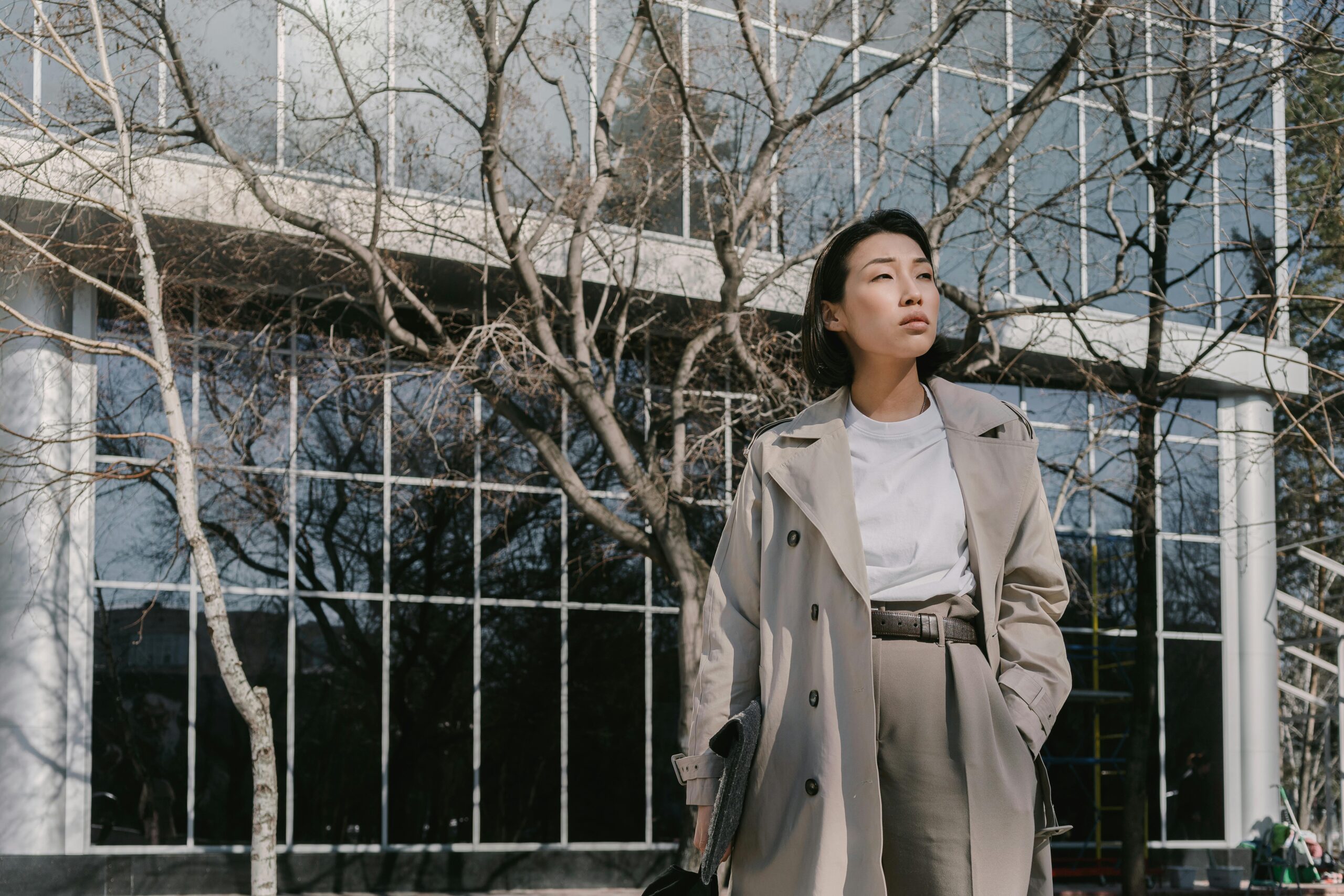
✨ Embracing Confidence Through Seasonal Style Evolution
Ultimately, successful seasonal dressing transcends rules and guidelines—it’s about feeling confident and comfortable in what you wear. The transition from fall to winter offers opportunities to explore different facets of your style personality while adapting to practical weather demands.
Don’t fear making bold choices or breaking conventional style rules if something resonates with you. Fashion should be enjoyable and expressive, not restrictive. Use seasonal transitions as permission to experiment with combinations you might not have considered previously.
Pay attention to how different outfits make you feel. Confidence radiates from within and significantly impacts how others perceive your style. When you feel comfortable and authentic in your clothing choices, that assurance becomes your most attractive accessory.
The journey from fall to winter dressing represents more than temperature adaptation—it’s an opportunity for style evolution and creative expression. By understanding pattern dynamics, mastering layering techniques, and investing in versatile quality pieces, you create a wardrobe that serves you beautifully throughout the coldest months.
Remember that building a stylish, functional cold-weather wardrobe is an ongoing process rather than a destination. Each season brings new insights about what works for your lifestyle and aesthetic preferences. Embrace this evolution with curiosity and patience, allowing your personal style to mature naturally alongside the changing seasons.