The intersection of meteorology and renewable energy has become a cornerstone of modern power generation, transforming how we plan and optimize sustainable electricity systems worldwide.

🌍 The Weather-Energy Nexus: Understanding the Fundamental Connection
Weather patterns have always influenced human activities, but never before have they been so critical to our energy infrastructure. As the world transitions from fossil fuels to renewable sources, understanding atmospheric dynamics has evolved from a simple forecasting exercise to a strategic imperative for energy security and economic stability.
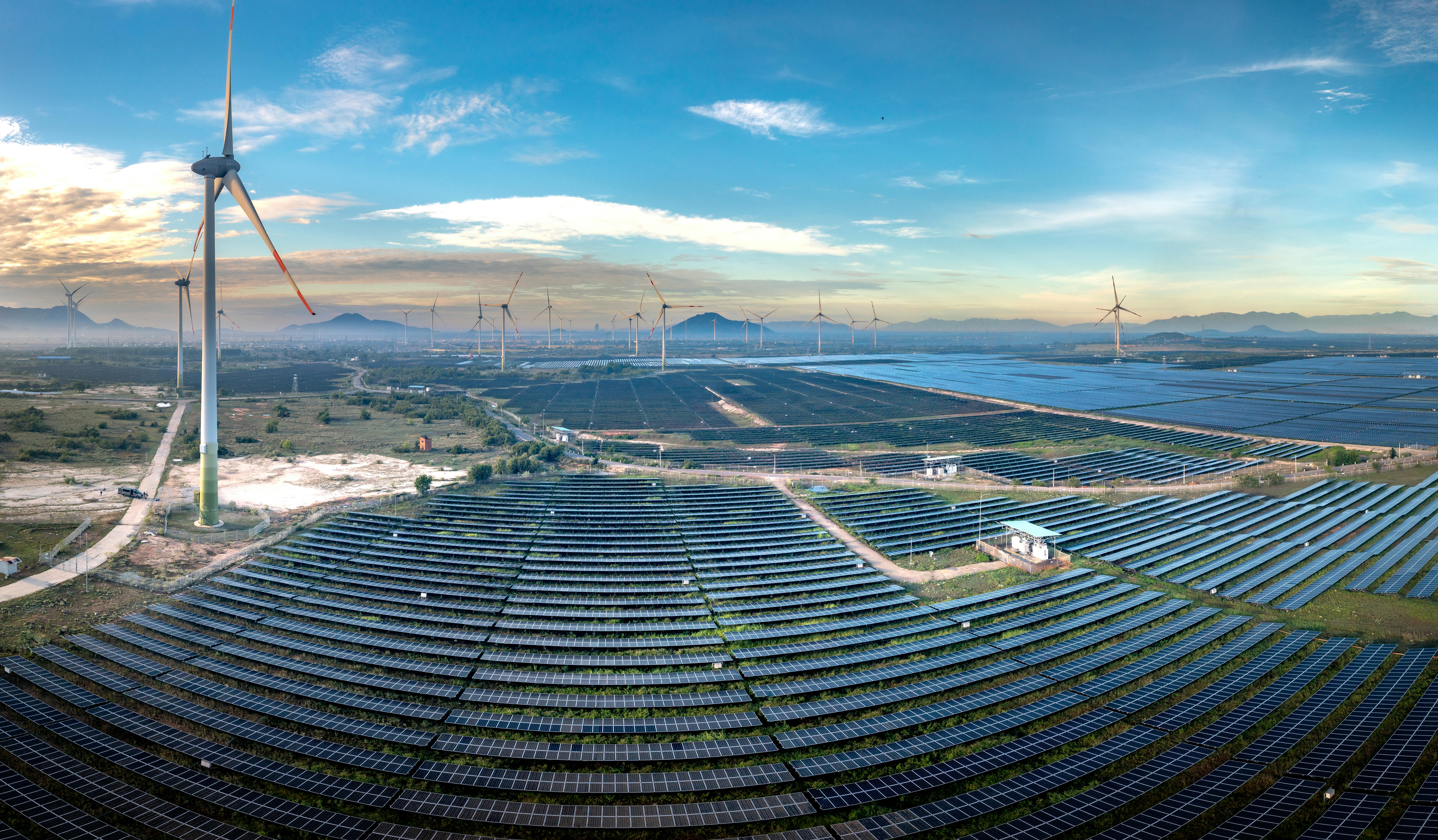
Renewable energy sources—particularly solar, wind, and hydroelectric power—are inherently dependent on weather conditions. Solar panels require sunlight, wind turbines need consistent air movement, and hydroelectric dams depend on precipitation patterns. This dependency creates both challenges and opportunities for energy planners who must balance supply with demand in increasingly complex grid systems.
The variability of weather has historically been viewed as a liability in renewable energy planning. However, advanced meteorological technologies and sophisticated forecasting models are transforming this perceived weakness into a strategic advantage. By accurately predicting weather patterns hours, days, and even weeks in advance, energy operators can optimize generation schedules, manage storage systems, and coordinate with conventional power sources to maintain grid stability.
☀️ Solar Energy: Decoding Cloud Patterns and Solar Irradiance
Solar power generation depends entirely on the availability of sunlight, making it perhaps the most weather-sensitive renewable energy source. Cloud cover, atmospheric moisture, air pollution, and even seasonal variations in day length all impact the efficiency and output of photovoltaic systems.
Modern solar energy planning incorporates sophisticated weather modeling that goes far beyond simple sunshine forecasts. Planners now analyze historical solar irradiance data spanning decades, identifying patterns in cloud formation, seasonal variations, and even the impact of regional climate phenomena like monsoons or marine layer fog. This historical analysis helps determine optimal locations for solar installations and provides realistic expectations for annual energy production.
Short-term forecasting has become equally important for operational efficiency. Advanced satellite imagery combined with ground-based sensors can predict cloud movements with remarkable accuracy, allowing grid operators to anticipate fluctuations in solar generation and prepare backup systems accordingly. Some sophisticated operations centers can now predict solar output 15 minutes to several hours in advance with accuracy rates exceeding 90 percent.
Advanced Forecasting Techniques for Solar Planning
The integration of artificial intelligence and machine learning has revolutionized solar forecasting. These systems analyze vast datasets including satellite imagery, weather station readings, historical production data, and atmospheric models to generate highly accurate predictions. Neural networks can identify subtle patterns that human analysts might miss, improving forecast accuracy particularly during challenging transitional weather conditions.
Nowcasting—ultra-short-term forecasting covering the next few hours—has become particularly valuable for grid management. By combining real-time cloud tracking with rapid-update weather models, operators can make minute-by-minute adjustments to energy distribution, minimizing the need for expensive peaker plants and reducing curtailment of excess solar generation.
💨 Wind Energy: Mapping Air Currents for Maximum Efficiency
Wind power represents one of the fastest-growing renewable energy sectors globally, and its success depends almost entirely on accurate understanding of atmospheric circulation patterns. Unlike solar energy, which follows relatively predictable daily cycles, wind patterns exhibit complex behaviors influenced by topography, temperature gradients, pressure systems, and seasonal weather patterns.
Strategic wind farm placement requires extensive meteorological analysis. Developers invest months or years studying wind patterns at potential sites, installing measurement towers that collect data on wind speed, direction, turbulence, and vertical wind shear. This information helps determine not just whether a location is suitable, but also the optimal turbine height, blade configuration, and array layout to maximize energy capture.
Offshore wind farms present unique opportunities and challenges. Marine environments often offer stronger and more consistent winds than land-based locations, but they also experience more severe weather events. Understanding ocean-atmosphere interactions, sea breeze patterns, and storm tracks becomes essential for both planning and operational safety.
Seasonal and Diurnal Wind Patterns
Wind energy planning must account for significant temporal variations. Many regions experience strong seasonal patterns, with winter storms providing abundant wind energy in some areas while summer doldrums reduce output elsewhere. Diurnal patterns—changes between day and night—also affect wind generation, with some locations experiencing stronger nighttime winds when solar generation is unavailable.
Understanding these patterns allows energy planners to develop complementary renewable portfolios. Regions where wind generation peaks during winter can pair wind farms with solar installations that produce more energy in summer, creating a more balanced annual generation profile. Similarly, areas with strong nighttime winds complement daytime solar production, reducing the need for energy storage or fossil fuel backup.
🌊 Hydroelectric Power: Reading the Precipitation Record
Hydroelectric power depends on water availability, making precipitation patterns, snowpack levels, and watershed hydrology central to planning and operation. Unlike solar and wind energy, which respond to immediate weather conditions, hydroelectric systems often reflect accumulated precipitation over weeks, months, or even years.
Climate patterns like El Niño and La Niña significantly influence precipitation across vast regions, creating multi-year cycles of wet and dry conditions. Energy planners in hydroelectric-dependent regions must understand these cycles to anticipate water availability and plan for drought conditions or flood management scenarios.
Snowpack monitoring has become increasingly sophisticated, with satellite remote sensing, automated snow stations, and hydrological modeling providing detailed forecasts of spring runoff months in advance. This information allows hydroelectric operators to optimize reservoir management, balancing energy production needs with flood control requirements and downstream water rights.
🔄 Integrating Weather Data into Grid Management Systems
The true power of weather-informed renewable energy planning emerges when forecasting data integrates seamlessly with grid management systems. Modern energy operations centers receive continuous weather updates that feed directly into automated control systems, enabling real-time adjustments to power generation and distribution.
These integrated systems consider multiple variables simultaneously: current renewable generation levels, weather forecasts affecting future production, electricity demand predictions, energy storage status, and the availability and cost of conventional backup generation. Advanced algorithms optimize the entire system, making thousands of micro-adjustments daily to minimize costs while maintaining grid reliability.
Demand-side management increasingly incorporates weather forecasting as well. Utilities can anticipate high-demand periods caused by extreme temperatures and coordinate with large industrial customers to shift energy consumption to times when renewable generation is abundant. Smart home systems can automatically adjust heating, cooling, and appliance usage based on both weather conditions and renewable energy availability.
The Role of Energy Storage in Weather Variability Management
Battery storage systems have emerged as critical tools for managing weather-related variability in renewable energy generation. Large-scale battery installations can store excess solar and wind energy during periods of high production and release it when weather conditions reduce renewable output.
Weather forecasting enhances storage system effectiveness by informing charging and discharging strategies. If forecasts predict several days of cloudy weather or calm winds, operators can ensure batteries are fully charged beforehand. Conversely, if abundant renewable generation is predicted, storage systems can be discharged to make room for incoming energy that might otherwise be curtailed.
📊 Long-Term Climate Considerations in Renewable Energy Planning
While short-term weather forecasting drives operational decisions, long-term climate trends increasingly influence strategic planning for renewable energy infrastructure. Climate change is altering precipitation patterns, wind regimes, and solar irradiance in various regions, requiring planners to consider not just current conditions but projected future climates.
Some regions are experiencing shifting wind patterns that may affect the productivity of existing or planned wind farms. Changes in precipitation patterns influence the long-term viability of hydroelectric facilities. Even solar installations must consider potential changes in cloud cover patterns and atmospheric aerosol concentrations that affect solar irradiance.
Adaptive planning strategies incorporate climate projections into infrastructure decisions. This might mean designing wind turbines to handle increasingly severe storms, planning for altered seasonal generation patterns, or diversifying renewable portfolios to hedge against uncertain climate futures. The goal is creating resilient energy systems that remain effective across a range of possible climate scenarios.
🛰️ Technology Revolutionizing Weather-Based Energy Planning
The technological revolution in meteorology and data analytics has transformed renewable energy planning from an art to a science. Satellite constellations provide continuous global coverage, monitoring cloud formation, wind patterns, snow cover, and vegetation conditions that affect local microclimates. Ground-based sensor networks have proliferated, creating dense observation meshes that capture local weather variations with unprecedented detail.
Computational power has advanced to the point where weather models can run at resolutions fine enough to predict conditions for individual wind farms or solar installations. Ensemble forecasting—running multiple model variations to assess prediction uncertainty—helps planners understand the range of possible outcomes and prepare for various scenarios.
Remote sensing technologies like LIDAR (Light Detection and Ranging) allow detailed three-dimensional mapping of wind fields at potential wind farm sites. These systems can measure wind conditions at multiple heights simultaneously, providing data that was previously impossible to collect. Similar technologies help assess solar resource availability and optimize panel placement in complex terrain.
Artificial Intelligence and Machine Learning Applications
AI systems are transforming every aspect of weather-informed energy planning. Machine learning algorithms trained on historical weather and generation data can identify subtle correlations that improve forecast accuracy. These systems continuously learn and improve, automatically adjusting their models as they process new data.
Predictive maintenance systems use weather forecasts combined with equipment monitoring to anticipate when renewable energy equipment might fail. Knowing that severe weather is approaching, systems can flag turbines or panels that show early warning signs of problems, allowing preventive maintenance before catastrophic failures occur.
🌐 Regional Approaches to Weather-Informed Energy Strategy
Different regions around the world face unique weather challenges and opportunities in renewable energy development. Tropical areas contend with intense solar resources but also heavy cloud cover and storms. Mid-latitude regions experience strong seasonal variations requiring diverse energy portfolios. Polar regions offer unique opportunities like extended summer daylight but face extreme winter conditions.
Successful renewable energy strategies embrace these regional characteristics rather than fighting against them. Mediterranean climates with abundant sunshine and summer drought naturally favor solar development. Coastal regions with persistent sea breezes are ideal for wind energy. Mountain regions with heavy winter snowpack support hydroelectric systems. The most resilient energy systems match renewable technologies to local climate strengths.
Cross-border energy cooperation increasingly factors into weather-informed planning. Large geographic areas encompass diverse weather patterns, allowing regions experiencing poor renewable generation conditions to import power from areas with favorable weather. European energy markets already operate this way, with wind power from the North Sea supplementing solar generation from southern Europe.
💡 Practical Implementation: From Theory to Practice
Translating weather data into actionable energy planning requires bridging the gap between meteorological science and practical engineering. Energy companies increasingly employ dedicated meteorologists who speak both the language of atmospheric science and electrical engineering. These professionals interpret complex weather data and communicate implications to grid operators, traders, and planners in terms relevant to energy system operations.
Training programs are emerging to build this specialized workforce. Universities now offer programs combining meteorology, data science, and energy systems engineering. Professional development courses help existing energy sector workers understand weather forecasting principles and how to incorporate meteorological data into decision-making processes.
Investment in forecasting infrastructure represents a crucial but often overlooked component of renewable energy development. Weather monitoring networks, computational facilities for running forecast models, and communication systems for distributing forecast information all require significant capital investment. However, the return on this investment is substantial—improved forecasting can increase renewable energy capture rates by several percentage points while reducing costly grid instability incidents.
🚀 The Future Landscape: Emerging Trends and Innovations
The convergence of renewable energy and meteorology continues accelerating, with several emerging trends poised to further transform the field. Quantum computing promises to revolutionize weather modeling, potentially enabling accurate forecasts weeks or months in advance—a timeframe that would fundamentally change energy planning strategies.
Blockchain technology and distributed ledger systems may enable more sophisticated peer-to-peer energy trading based on localized weather forecasts. Imagine neighborhoods automatically buying and selling renewable energy based on real-time and predicted local generation and consumption patterns, all coordinated through smart contracts triggered by weather conditions.
Space-based solar power concepts that would generate electricity above the atmosphere—unaffected by weather—remain on the distant horizon, but research continues. Even if such systems prove viable, they would complement rather than replace ground-based renewables, and weather forecasting would remain crucial for managing terrestrial generation and consumption.
The integration of renewable energy with other weather-dependent sectors creates additional planning opportunities. Agriculture, water management, transportation, and building operations all respond to weather conditions. Comprehensive resource management systems that optimize across multiple sectors simultaneously represent the next frontier in weather-informed planning.
🎯 Building Resilient Energy Systems Through Weather Intelligence
The ultimate goal of weather-informed renewable energy planning is creating resilient, reliable, affordable, and sustainable power systems. This requires moving beyond simple weather forecasting to comprehensive climate intelligence that informs every aspect of energy system design and operation.
Resilience means planning for extremes—not just average conditions but the full range of weather variability including rare but impactful events. Energy systems must withstand hurricanes, ice storms, heat waves, and droughts while continuing to provide reliable power. Weather intelligence helps identify vulnerabilities and design robust systems that maintain functionality across diverse conditions.
The economic implications are profound. Improved weather forecasting for renewable energy reduces operational costs, increases asset utilization, and minimizes the need for expensive backup generation. These savings make renewable energy more competitive with fossil fuels, accelerating the global energy transition. As forecasting technology continues improving, the economic advantages of renewables will only increase.
Environmental benefits extend beyond reducing greenhouse gas emissions. Weather-informed planning allows renewable installations to avoid sensitive habitats, minimize land use impacts, and reduce conflicts with other environmental values. Understanding seasonal bird migration patterns influenced by weather, for example, helps site wind farms to reduce wildlife impacts.
The transformation of renewable energy through advanced weather intelligence represents more than technological progress—it embodies a fundamental shift in humanity’s relationship with natural systems. Rather than viewing weather variability as an obstacle to overcome, modern renewable energy planning embraces it as an asset to be understood, predicted, and strategically harnessed. This paradigm shift positions weather patterns not as challenges to be mitigated but as opportunities to be captured, powering a sustainable future with the very forces that shape our atmosphere and climate.