Anúncios
Finding the perfect fishing spot can make the difference between an unforgettable day and going home empty-handed. Fishing apps now bring technology to your tackle box, helping anglers discover prime locations with just a few taps.
Modern anglers face a familiar challenge: spending hours researching locations, checking weather conditions, and asking around for local hotspots. Traditional methods of finding productive fishing areas relied heavily on word-of-mouth, expensive guidebooks, or years of trial and error. Today’s fishing applications eliminate this guesswork by combining GPS technology, weather data, and community knowledge into one convenient platform.
Anúncios
These specialized apps have revolutionized how both beginners and experienced fishermen approach their favorite pastime. By aggregating real-time information about water conditions, fish activity, and proven catch locations, these digital tools save time and dramatically increase your chances of landing the big one. Let’s explore how fishing apps work and which features deliver the most value to anglers of all skill levels.
🎣 What Makes a Fishing App Essential for Modern Anglers
The best fishing applications combine multiple data sources to create a comprehensive resource. Unlike generic map apps, these specialized tools understand the specific needs of fishermen. They track variables that directly impact fish behavior, including barometric pressure, moon phases, water temperature, and tidal movements.
Anúncios


Location discovery features represent the core functionality of these apps. Users can search for nearby fishing spots filtered by species, accessibility, and facility amenities. Many apps include detailed maps showing public access points, boat ramps, and parking areas. This information proves invaluable when exploring new territories or planning fishing trips in unfamiliar regions.
Community-driven content adds another powerful dimension. Fellow anglers share recent catches, current conditions, and insider tips about specific locations. This crowdsourced intelligence provides up-to-the-minute information that no weather service or government database can match. Reading about someone’s catch from yesterday morning at a specific pier gives you actionable intelligence you can use immediately.
Real-Time Weather and Water Conditions
Successful fishing depends heavily on environmental factors. Premium fishing apps integrate meteorological data specifically tailored for anglers. Beyond simple temperature readings, these applications track:
- Wind speed and direction – crucial for boat safety and casting conditions
- Barometric pressure trends – fish feeding patterns change with pressure systems
- Cloud cover percentages – affects light penetration and fish depth
- Precipitation forecasts – runoff impacts water clarity and fish location
- Sunrise and sunset times – peak activity often occurs during these transitions
Water-specific metrics matter just as much as atmospheric conditions. Advanced apps display current water temperature, clarity levels, and flow rates for rivers and streams. Saltwater anglers benefit from tide charts, current predictions, and information about red tide or algae blooms that might affect fishing quality.
📍 Key Features That Separate Great Apps from Average Ones
The fishing app market has exploded in recent years, with dozens of options competing for your attention. Understanding which features deliver genuine value helps you choose the right tool for your fishing style.
Comprehensive Species Information
Elite fishing apps function as portable fish encyclopedias. When researching a new location, you can learn which species inhabit those waters, their seasonal patterns, and preferred baits. Some applications include identification guides with high-quality photos, helping you recognize what you’ve caught and understand local regulations.
Regulation databases integrated into these apps prevent costly mistakes. Size limits, bag limits, and seasonal restrictions vary significantly between locations. Having this information readily available ensures you stay compliant while protecting fish populations for future generations.
Logbook and Tracking Capabilities
Digital fishing logs transform casual outings into valuable data. Recording your catches, including location, time, weather conditions, and bait used, reveals patterns over time. After logging 20 or 30 trips, you’ll notice correlations between conditions and success rates.
Many apps automate much of this data collection. GPS automatically tags your location when you log a catch. Time stamps and weather information populate automatically. You simply add the species, size, and any personal notes about technique or presentation.

Social Networking for Anglers
The social component of fishing apps creates engaged communities. Users share photos of their catches, compare notes on techniques, and even organize group outings. This networking aspect proves particularly valuable for newcomers looking to connect with experienced local fishermen.
Following other anglers who fish your preferred waters provides a constant stream of relevant updates. When someone posts about excellent bass fishing at your favorite lake this morning, you can make informed decisions about tomorrow’s plans. This real-time intelligence beats checking last week’s fishing report on a bulletin board.
🌊 How Fishing Apps Use Technology to Predict Fish Activity
The most sophisticated fishing applications employ algorithms that analyze multiple variables simultaneously. These solunar forecasting systems predict optimal fishing times based on moon position, sunrise/sunset, and historical catch data.
Solunar theory suggests that fish and wildlife movement peaks during specific moon phases and positions. While scientists debate the exact mechanisms, many experienced anglers swear by solunar predictions. Apps calculate these forecasts automatically, displaying major and minor feeding periods throughout each day.
Advanced Mapping Technologies
GPS integration allows fishing apps to offer features impossible in the pre-smartphone era. Offline map downloads ensure you can navigate even without cellular service. Waypoint marking lets you save productive spots with pinpoint accuracy, building a personal database of honey holes.
Some premium applications include bathymetric (underwater topography) maps. These detailed charts show depth contours, drop-offs, channels, and structure where fish congregate. Understanding underwater geography gives you a massive advantage, especially when fishing unfamiliar waters from a boat.
| Map Feature | Benefit for Anglers | Best Used For |
|---|---|---|
| Satellite Imagery | Identifies vegetation, structure, and access points | Pre-trip planning and shore fishing |
| Bathymetric Charts | Shows underwater depth and structure | Boat fishing and targeting specific species |
| Public Access Markers | Locates legal entry points and facilities | Exploring new territories |
| Custom Waypoints | Saves your successful spots for future trips | Building personal fishing database |
🔍 Choosing the Right Fishing App for Your Needs
Not all anglers require the same features. Your ideal fishing app depends on several factors including target species, fishing environment, and experience level.
Freshwater vs. Saltwater Specialization
Some apps specialize in freshwater fishing, offering detailed lake maps and bass fishing forecasts. Others focus on saltwater environments with tide predictions, offshore charts, and species like redfish or snook. A few comprehensive platforms cover both environments effectively, though specialized apps often provide deeper functionality for their specific niche.
Bass fishermen might prioritize apps with extensive lake mapping and structure identification. Fly fishermen targeting trout need apps that track stream flows and hatch charts. Saltwater anglers require accurate tide predictions and offshore weather forecasts. Identify your primary fishing focus before committing to a subscription.
Free vs. Premium Subscriptions
Most fishing apps follow a freemium model, offering basic features free with premium tiers unlocking advanced capabilities. Free versions typically include location discovery, basic weather, and social features. Premium subscriptions add detailed forecasts, offline maps, advanced analytics, and ad-free experiences.
Evaluate whether premium features justify the cost based on your fishing frequency. Weekend warriors might find free versions perfectly adequate. Serious anglers who fish multiple times weekly often discover that premium subscriptions pay for themselves through increased success rates and time savings.
🎯 Maximizing Your Success with Fishing App Data
Installing a fishing app represents only the first step. Extracting maximum value requires strategic use of the available information and consistent data input.
Developing Pattern Recognition Skills
Technology provides data, but you must interpret it correctly. Start by paying attention to forecast accuracy in your specific fishing areas. Not all predictions perform equally across different regions and species. Track which forecast elements correlate most strongly with your personal success.
Compare your logged catches against weather conditions, moon phases, and time of day. After accumulating sufficient data points, patterns emerge. You might discover that bass at your local reservoir feed most aggressively when barometric pressure rises after a storm, or that crappie bite best during minor solunar periods in spring.
Contributing to the Community
Active participation enhances these platforms for everyone. When you catch fish, log the details and share photos. Leave reviews of fishing locations, noting current conditions and access information. Answer questions from less experienced anglers seeking advice about your home waters.
This contribution creates positive feedback loops. As more users share quality information, the collective intelligence grows more valuable. You benefit from others’ contributions while helping fellow anglers succeed. Many apps reward active community members with badges, leaderboard recognition, or even premium feature access.
⚡ Practical Tips for Using Fishing Apps in the Field
Smartphones and fishing environments don’t always mix well. Water, sun glare, and battery limitations present challenges that require practical solutions.
Invest in a waterproof phone case or bag rated for submersion. Even if you’re careful, accidents happen on the water. A $20 case protects your $800 phone from a devastating dunking. Look for cases that maintain touch screen functionality and camera clarity.
Battery management becomes critical during long fishing days. Bring a portable charger, especially when relying on GPS navigation. Consider enabling airplane mode when you don’t need real-time updates, as searching for cellular signals drains batteries quickly. Download offline maps before leaving home so you can navigate without data connectivity.
Screen Visibility and Glove-Friendly Operation
Bright sunlight makes phone screens nearly impossible to read. Increase brightness to maximum when using apps on sunny days, acknowledging the battery trade-off. Some anglers use screen protectors specifically designed to reduce glare.
Cold-weather fishermen face another challenge: most touch screens don’t work with gloves. Special fishing gloves with conductive fingertips solve this problem, or you can keep one hand bare for phone operation while the other stays warm.
🌟 Integrating Apps with Traditional Fishing Knowledge
Technology enhances fishing but doesn’t replace fundamental skills and knowledge. The most successful anglers blend app intelligence with traditional watercraft understanding.
Use apps to identify promising locations, then apply your reading-the-water skills when you arrive. An app might lead you to a productive lake, but understanding how wind affects bait fish positioning or recognizing subtle structure requires experience. Technology accelerates your learning curve rather than substituting for time on the water.
Local knowledge still carries tremendous value. Apps provide broad data, but the veteran who’s fished a particular spot for 30 years knows nuances no algorithm captures. Respect this expertise while using apps to discover new waters and accelerate your own learning process.
Weather Predictions vs. Actual Conditions
Forecasts improve constantly but remain imperfect. Micro-climates, sudden weather changes, and localized phenomena can differ from predictions. When you arrive at your fishing spot, observe actual conditions and adjust accordingly. If the app predicted calm winds but you’re facing white caps, trust your eyes over the forecast.
Similarly, fish behavior sometimes defies conventional wisdom. An app might predict poor fishing based on cold front passage, but you might experience a hot bite anyway. Use predictions as guidelines while remaining flexible and observant.
💡 Future Developments in Fishing App Technology
The fishing app industry continues evolving rapidly. Emerging technologies promise even more powerful tools for anglers in coming years.
Artificial intelligence and machine learning will deliver increasingly personalized predictions. Instead of generic forecasts, apps will analyze your catch history, preferred techniques, and local waters to provide customized recommendations. These systems will learn which factors most strongly influence your success, weighting those variables more heavily in predictions.
Augmented reality features may soon overlay fishing information onto real-world views through your phone camera. Point your device at a lake, and see bathymetric data, recent catch reports, and optimal casting directions displayed on your screen. This technology already exists in prototype forms and will likely reach mainstream fishing apps within a few years.
Integration with Smart Fishing Equipment
Connected fishing gear represents another frontier. Smart rods that detect bites, electronic lures that report water temperature and depth, and tackle boxes that inventory your gear could all sync with fishing apps. This Internet of Things approach will automate data collection, making logbooks more comprehensive and accurate without additional effort.
Some forward-thinking manufacturers already produce fish finders that upload data directly to cloud-based fishing apps. You can mark waypoints on your fish finder, and they automatically appear in your phone app. This seamless integration between dedicated equipment and mobile platforms will expand significantly.
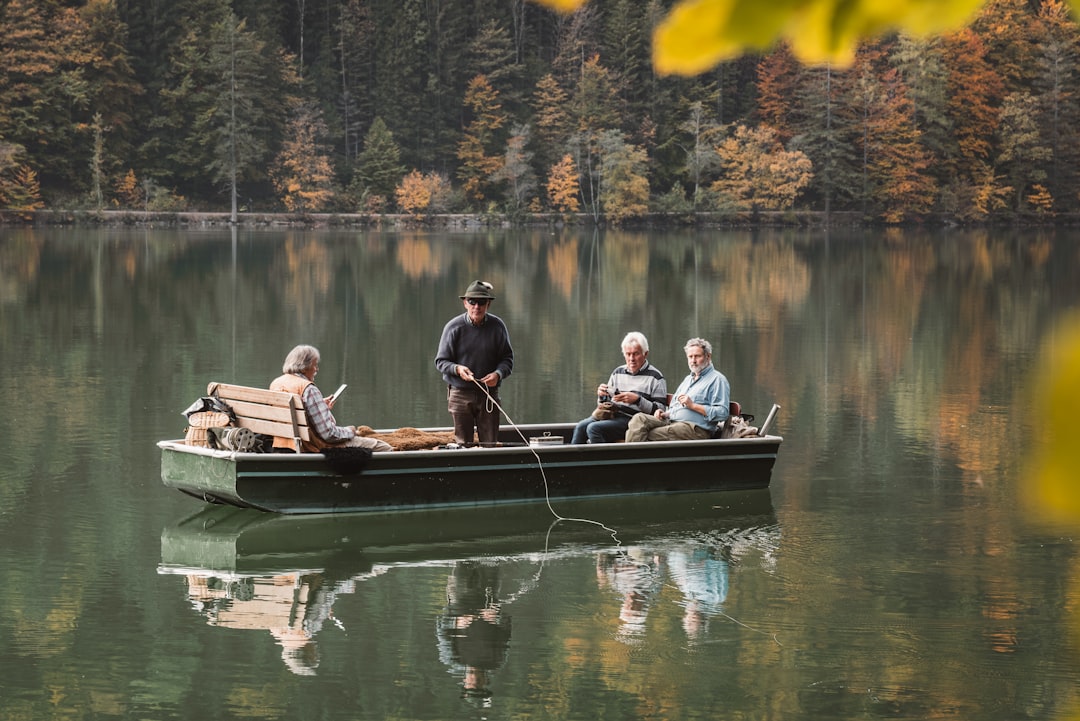
🚀 Taking Your Fishing to the Next Level
Fishing apps represent powerful tools that complement your skills and knowledge. They save time researching locations, provide valuable environmental data, and connect you with a community of fellow anglers. However, success still requires the fundamentals: proper technique, quality equipment, patience, and time on the water.
Start by downloading one or two highly-rated apps and exploring their features during your next fishing trip. Log your catches consistently for several weeks, building a personal database. Experiment with forecast predictions, noting which factors most reliably indicate good fishing in your preferred waters.
Remember that technology serves as your assistant, not your replacement. The most rewarding fishing experiences blend cutting-edge tools with timeless appreciation for nature, the challenge of outsmarting fish, and the satisfaction of a successful day on the water. Apps help you find the fish, but your skill, determination, and love for the sport ultimately determine your success.
Whether you’re targeting largemouth bass in a neighborhood pond, chasing stripers on the coast, or fly fishing for trout in mountain streams, the right fishing app puts valuable information at your fingertips. Embrace these digital tools while maintaining the core values that make fishing such a rewarding pursuit. The combination of traditional knowledge and modern technology creates opportunities that previous generations of anglers could only imagine.