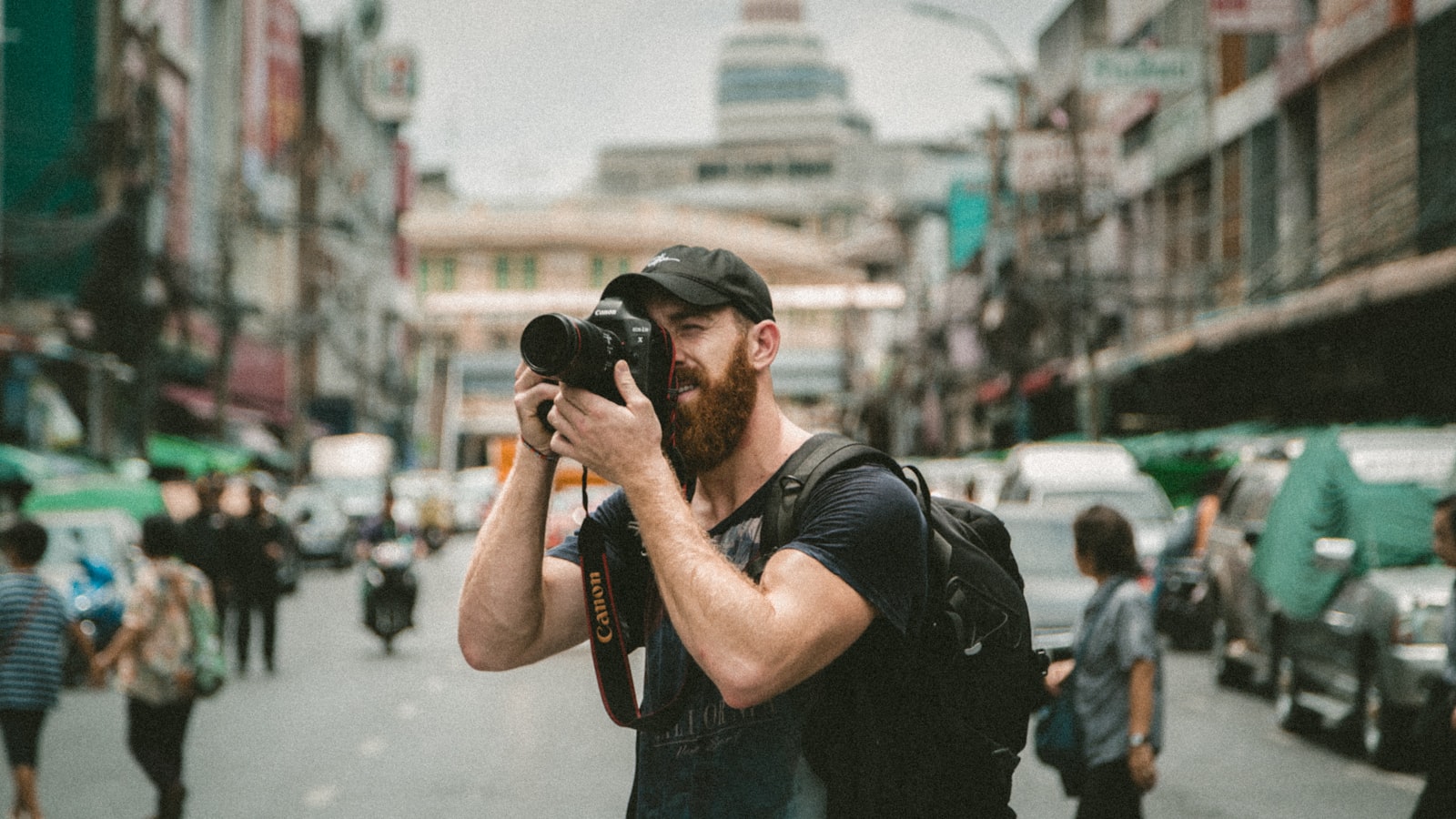
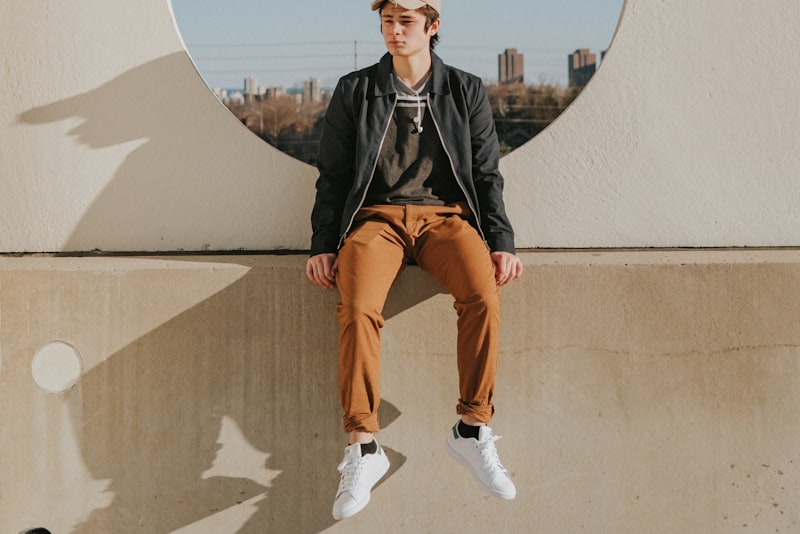
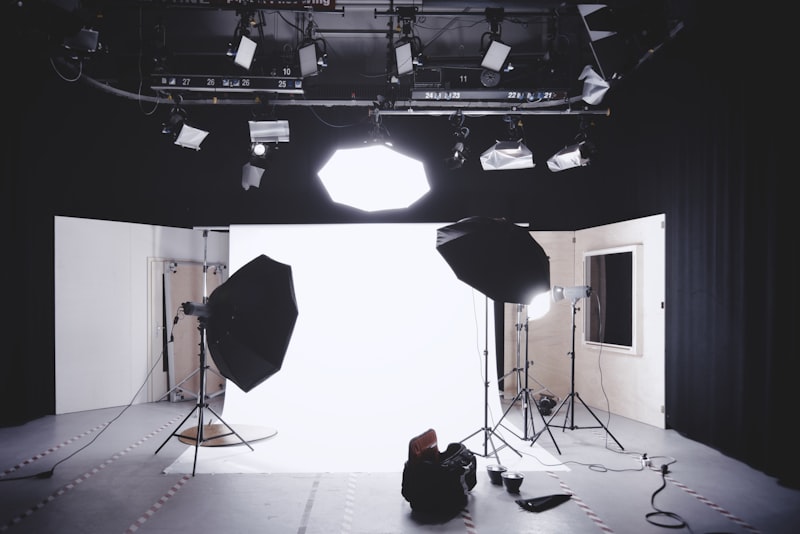
After twenty years of photographing people, I've come to believe the most important equipment I own isn't in my bag. It's the way I treat the person in front of the camera. I've seen beautiful gear produce cold, lifeless pictures, and I've seen a borrowed phone produce a portrait someone framed and kept for the rest of their life. The difference was never the device. It was whether the person felt safe, seen, and at ease. Photographing people is, before it is anything technical, a human transaction. Get that part right and the rest is surprisingly easy. Get it wrong and no amount of gear will save the picture.
So let's spend our time where it counts — on the human side — and treat the technical part as the small thing it actually is.
Consent is the whole foundation#
Everything begins with permission. Photographing a person is something you do together, with their agreement, not something you take from them when they aren't looking. So ask. A simple, warm "do you mind if I take your picture?" is all it takes, and the asking itself signals respect that the person will feel in the photo.
A no is a complete answer. Not a hurdle to negotiate, not a maybe — a no. Accept it gracefully and the world stays a place where people trust photographers. This matters most with anyone who can't easily refuse: children always need a parent or guardian's permission as well as their own willingness, and you should take extra care with anyone who is vulnerable, distressed, or simply unaware. Norms and laws around photographing people differ from place to place, and on private property you're a guest bound by the owner's wishes. This is general, respectful guidance rather than legal advice — when you're unsure, ask, and let the answer stand.
Consent isn't a box to tick before the real work. It is the work. A picture made with someone's genuine agreement has a warmth that a stolen one never will.
Comfort makes the picture#
Here is the quiet truth of photographing people: a relaxed person nearly always photographs better than a carefully arranged one. The camera makes almost everyone tense — the smile stiffens, the eyes go flat, the hands don't know where to be. Your real job, once someone has said yes, is to melt that tension away.
The simplest tool is your attention. Talk to the person. Ask them something they actually care about and listen to the answer, rather than just staring through the viewfinder. The moments worth keeping almost always arrive in the gaps — the second after a laugh, the pause when they've forgotten the camera is there. You can't pose those moments into existence. You can only create enough ease that they happen on their own, and be ready when they do.
A few things that genuinely help people relax:
- Tell them they look good — and mean it. A little reassurance unlocks a real expression faster than any instruction.
- Give the hands a job. "Hold your coffee," "lean on the railing." People tense up when they don't know what to do with their hands.
- Be quick and unfussy. Endless fiddling with settings makes people self-conscious. Sort the technical side first, then give them your full attention.
Almost nobody looks like themselves while bracing for a photo. Most of photographing people is just helping them stop bracing.
Candid or posed — both are honest#
People sometimes ask which is "better," candid or posed, as if one were more authentic than the other. Neither is. They're two honest approaches, and the right one depends entirely on the person and the moment.
Posed doesn't mean fake. It means you've given the person a little direction so they feel anchored instead of lost — a place to stand, something to do, a sense that they're being looked after. For people who get nervous in front of a lens, gentle direction is a kindness; it removes the anxiety of not knowing what's wanted. A posed portrait can be every bit as true as a candid one when the person feels comfortable inside it.
Candid means catching people as they are, absorbed in something other than the camera. It tends to carry more spontaneity and life. But candid only works with consent, not as an excuse to dodge it — let people know you'll be photographing, then let them get on with the moment while you wait for it.
The best approach is often both: pose a little to settle the person, then keep shooting through the in-between moments when they relax and laugh and forget themselves. Don't choose by which sounds more impressive. Choose by what puts this person at ease.
Light them kindly#
Now, finally, the technical part — and it's far simpler than people fear. Of everything you could adjust, light does the most, and good light needs no equipment.
The kindest light for nearly everyone is soft and directional. Stand the person a step back from a large window or in open shade, turned slightly toward the light, and watch the face gain gentle shape — softly lit on one side, falling into shadow on the other. That shadow is what makes a face look three-dimensional and alive. Avoid harsh midday sun straight on the face; it makes people squint and carves unflattering shadows. And glance at the eyes — when you can see a small bright reflection of the light source in them, the portrait feels present and awake.
That's genuinely most of it. Turn the person until the light flatters them, keep the background quiet so nothing competes with their face, and focus on the nearest eye. The settings matter far less than where you've placed the person relative to the light.
What actually matters#
If you take one thing from all this, let it be the order of operations. Consent first. Comfort second. The kind of picture — candid or posed — chosen for the person, not for your ego. And only then the light, which is the easiest part of all.
The most moving pictures of people I've ever made were not technically remarkable. They were made of trust — someone who felt safe enough to be themselves while I happened to be holding a camera. You can buy better gear. You cannot buy that. It comes from how you treat people, and it's available to anyone, with any camera, who is willing to care more about the person than the photograph.