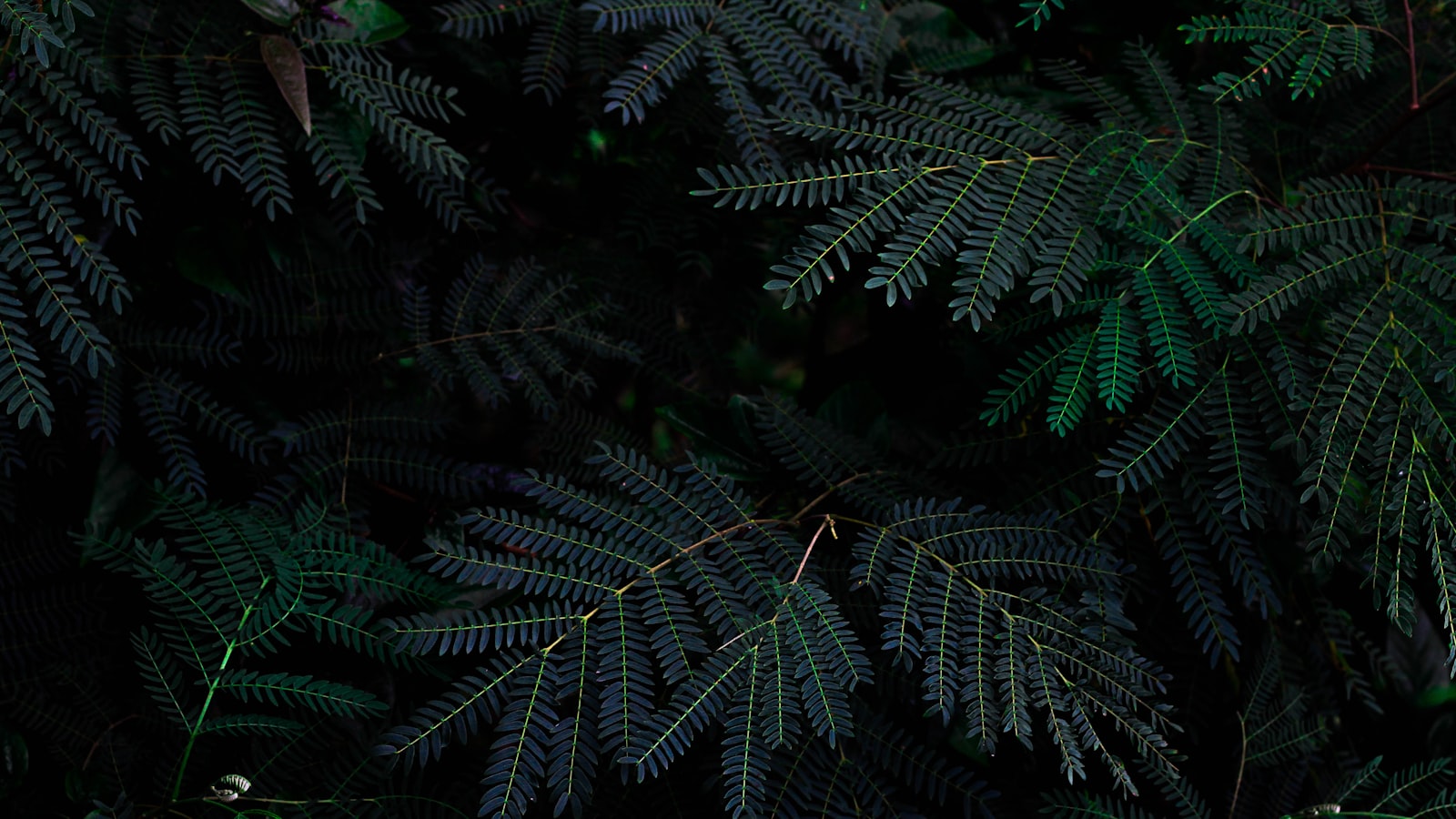
There is an entire world living at the scale of a coin, and most of us walk over it every day without a glance. The frost feathering the edge of a leaf. The improbable geometry of a dandelion gone to seed. The compound eye of a fly, which up close looks like a building from the future. Macro photography is simply the act of stooping down to look, and then showing other people what you found.
I love recommending it to beginners because it asks so little to begin and gives so much back. You do not need a dramatic landscape or a rare bird. A patch of moss on a wall will do. The subject is everywhere, which means the only real ingredient is your willingness to slow down and look closely.
Why the tiny world is so rewarding#
The appeal of macro is the surprise. We think we know what ordinary things look like, and then we get close, and they turn out to be strange and beautiful in ways our normal seeing never registered. A photograph that reveals the unseen feels a little like magic, and that feeling does not wear off.
It is also a wonderfully democratic kind of photography. The interesting subjects are not locked behind plane tickets or permits. They are in your garden, your kitchen, the crack in the pavement, the bunch of supermarket flowers on the table. On a grey afternoon when you cannot go anywhere, you can still go down, into the small world, and come back with something worth keeping. For learning to see, I am not sure there is a better teacher.
The one real challenge: focus#
I will be honest with you, because that is more useful than pretending it is all easy. Macro has one genuine difficulty, and it is focus.
When you get very close to a subject, the slice of the scene that comes out sharp becomes incredibly thin, sometimes just a sliver of a few millimeters. This is called shallow depth of field, and it cuts both ways. It is what gives macro photos their dreamy, melting backgrounds, and it is also why so much of the frame can fall into a soft blur. Get the eye of an insect sharp and its own back legs may already be out of focus.
There are two habits that tame this:
- Rock, don't twist. Instead of fiddling endlessly with a focus ring or tapping the screen over and over, set your focus roughly and then sway your whole body, or the camera, a hair forward and back. You will feel the sharp zone glide across your subject. Press the shutter the instant the part you care about snaps into focus. It feels strange at first and becomes second nature fast.
- Get steady. At this scale, the smallest wobble looks enormous. Brace your elbows, rest against something solid, hold your breath as you shoot, and use a short self-timer or your camera's stabilizer if it has one. A still camera forgives a great deal.
Decide before you shoot what must be sharp. With a living creature, it is almost always the eyes. With a flower, perhaps the very tip of a stamen. Put your sliver of focus there and let the rest go soft on purpose.
Light the little things gently#
Small subjects are very exposed to bad light. Harsh, direct sun creates blown-out hotspots and ugly hard shadows that wreck the delicate detail you came for. As with so much of photography, soft and diffused light is your friend.
An overcast day is a gift for macro, because the whole sky becomes one giant softbox. On a bright day, you can make your own shade: position your own body to block the direct sun, and suddenly your subject sits in that lovely even light. To bounce a little brightness back into the shadows, hold a small piece of white card or paper on the dark side. It is a free reflector and it works beautifully.
The closer you get, the more the light matters. A subject the size of your fingernail has nowhere to hide, so the gentleness or harshness of the light becomes the whole mood of the picture.
Watch your own shadow, too. When you lean in close, it is easy to cast yourself right across the subject. Approach from an angle that keeps your shadow out of the frame.
Simple ways to start, without spending#
Here is the reassuring part. You can begin macro photography today, for nothing, with whatever camera you already own.
Modern phones are remarkably good up close, and many have a dedicated macro mode that switches on automatically when you get near a subject. Just be aware that phones have a minimum focusing distance; push in too far and everything goes mushy. Back off a touch until it snaps sharp, then crop in afterward if you want it tighter. That alone will get you started.
If you have a regular camera, see how close its lens will focus, then crop the result on a larger screen to magnify the detail. It is not true macro, but it is close-up photography, and it teaches every skill that matters. Start there before you spend a cent.
Beyond that, the world is full of subjects that ask nothing of your gear. Flowers and leaves sit perfectly still and wait for you, which makes them the ideal first subjects while you learn the focus rock and the light. Water drops on a window after rain, the texture of tree bark, rust, peeling paint, the threads of a fabric, a single feather. None of them fly away. All of them reward a close look.
Only when your curiosity genuinely outgrows what you have should you think about dedicated macro equipment. By then you will know exactly what you want and why, and you will have already learned the thing that actually makes the pictures, which is not the gear at all.
Go down, and look#
So the next time you are standing somewhere ordinary, try this. Crouch down. Get close to one small thing, closer than feels normal, and really look at it through your camera. Rock gently until it sharpens. Mind the light, mind your shadow, and take the picture.
You will start noticing the small world everywhere, and it will not stop. That is the quiet joy of macro: it does not just give you photographs, it changes how you walk through the world the rest of the time. There is a whole magnificent kingdom down at your feet, patient and waiting. All you have to do is kneel down and pay attention.